
DbcultAccessing Vault...
Director's Spotlight
Senior Film Conservator
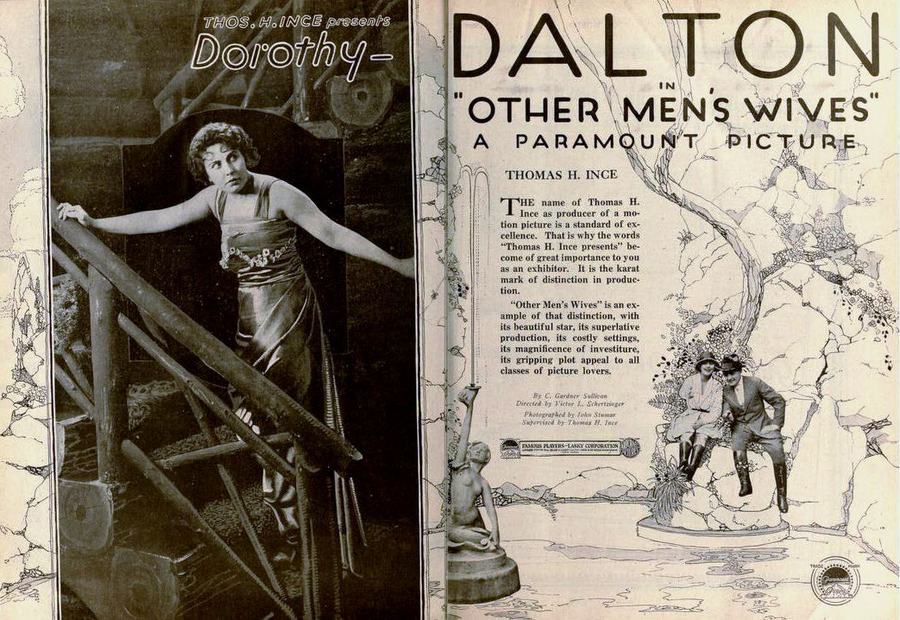
Director's Spotlight: United States
A Deep Dive into the 1919 Vision of Victor Schertzinger
The brilliance of Other Men's Wives (1919) is inseparable from a monumental shift in cult filmmaking spearheaded by Victor Schertzinger. Occupying a unique space between cult and pure art, it serves as a blueprint for future generations of cult directors.
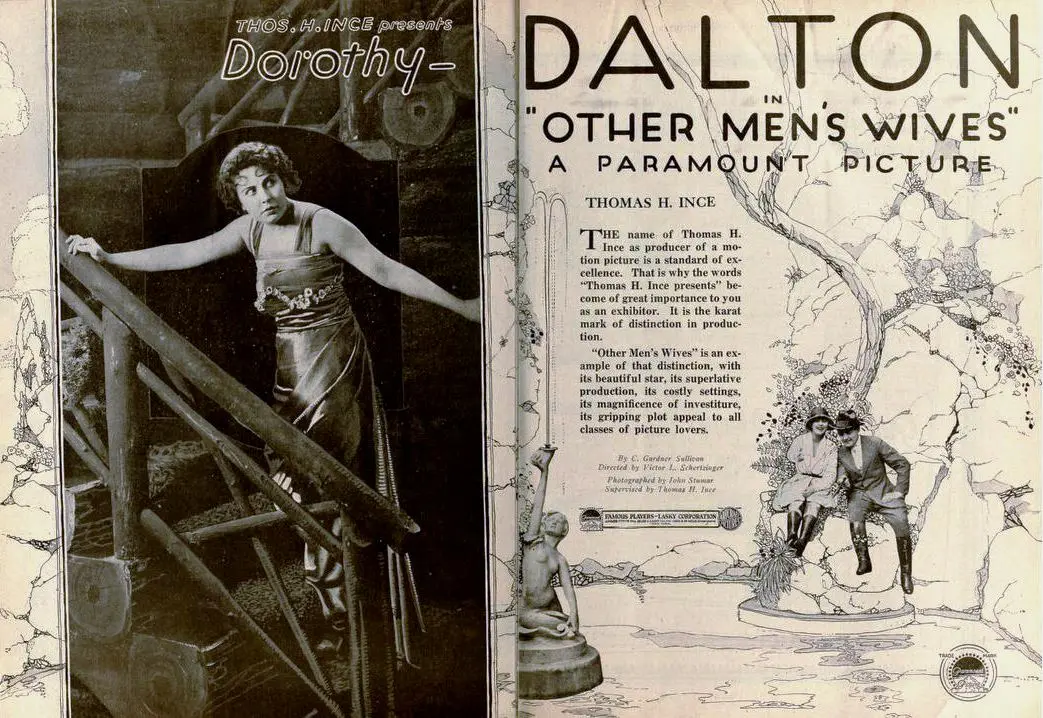
In Other Men's Wives, Victor Schertzinger pushes the boundaries of conventional narrative. The film's unique approach to its subject matter has sparked endless debates and interpretations among cinephiles and critics alike.
| Cinematography | Static |
| Soundtrack | Minimalist |
| Editing | Slow-Burn |
| Art Direction | Brutalist |
Visualizing the convergence of Victor Schertzinger's style and the core cult narrative.
Cynthia Brock, accustomed to expensive clothes and fashionable society, finds herself destitute when her father dies. After Fenwick Flint, who recently acquired great wealth, learns that Cynthia owes her dressmaker over $6,000, he attempts to use her to seduce James Gordon, the husband of the woman Flint desires. Although Cynthia refuses at first, when Flint offers her $10,000 she agrees, but at a mountain lodge, after becoming Gordon's friend, Cynthia feels remorseful and tries to get out of the deal. Hearing her sobs, Gordon enters her room and is caught by the conspirators with his arms around her. Gordon agrees to a divorce and offers to marry Cynthia to protect her reputation, but she confesses the scheme. After returning Flint's money, she finds work as a stenographer and pays her debt. Flint marries Gordon's ex-wife, but they later separate, while Gordon, formerly embittered, meets Cynthia again, and they marry.
Decades after its release, Other Men's Wives remains a vital piece of the cinematic puzzle. Its influence can be seen in countless modern works, solidifying Victor Schertzinger's status as a master of the craft in United States and beyond.