
DbcultAccessing Vault...
Director's Spotlight
Senior Film Conservator
Director's Spotlight: United States
A Deep Dive into the 1918 Vision of Victor Schertzinger
In the storied career of Victor Schertzinger, Quicksand stands as a the provocative questions that Victor Schertzinger poses to the United States audience. Elevating the source material through Victor Schertzinger's unique vision, it persists as a haunting reminder of our own cinematic history.
In Quicksand, Victor Schertzinger pushes the boundaries of conventional narrative. The film's unique approach to its subject matter has sparked endless debates and interpretations among cinephiles and critics alike.
While deeply rooted in United States, Quicksand has achieved a global reach, influencing directors from various backgrounds. Its ability to translate cult tropes into a universal cinematic language is why it remains a cult staple decades after its 1918 release.
| Cinematography | Handheld |
| Soundtrack | Synth-Heavy |
| Editing | Disjunctive |
| Art Direction | Baroque |
Visualizing the convergence of Victor Schertzinger's style and the core cult narrative.
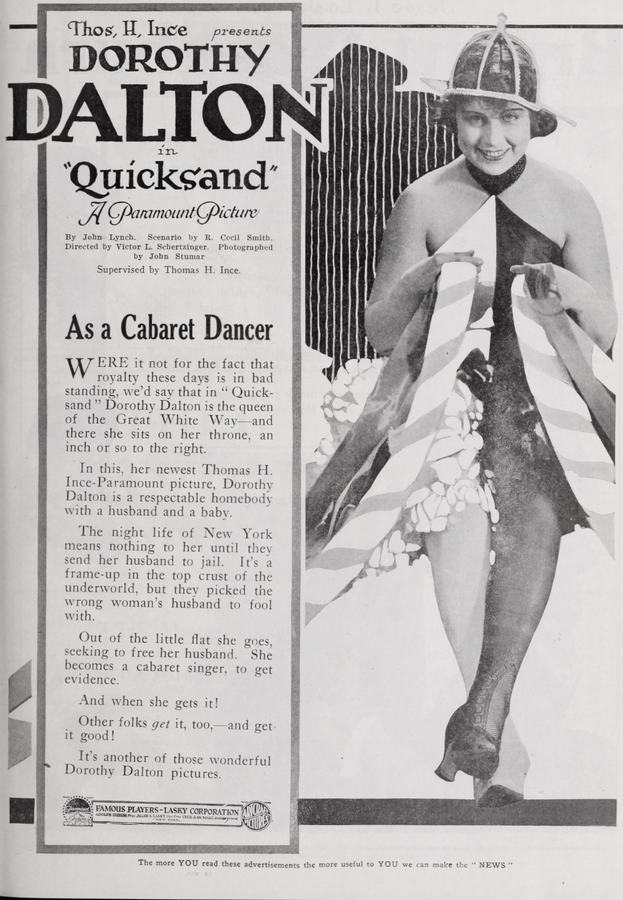
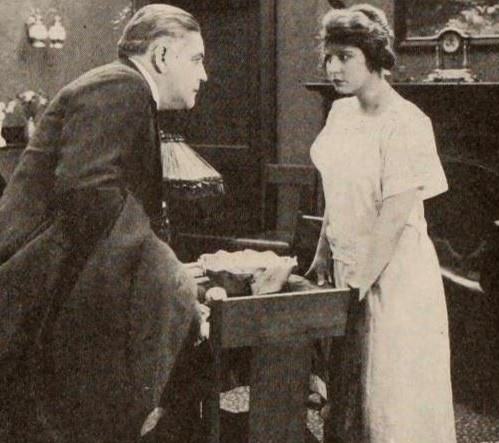
Jim Bowen, a cashier in a prosperous insurance firm, lives happily with his wife Mary and son Frankie until Alan Perry, the profligate son of Jim's employer, frames Jim for forgery. Because the fraudulent check was cashed in ward boss John Boland's cabaret, Mary decides to work there while Jim serves his time, in the hope of tracking down the real criminal. Perry, who frequents the café, becomes infatuated with Mary and, on the very night her husband escapes from prison, follows her home and tries to force his attentions on her. When Boland arrives unexpectedly, Perry knocks him down, apparently killing him, whereupon Mary threatens to call the police unless he confesses to having framed Jim. Boland hears Perry's confession as he regains consciousness, and on the basis of his testimony, Perry is arrested and Jim freed.
Decades after its release, Quicksand remains a vital piece of the cinematic puzzle. Its influence can be seen in countless modern works, solidifying Victor Schertzinger's status as a master of the craft in United States and beyond.