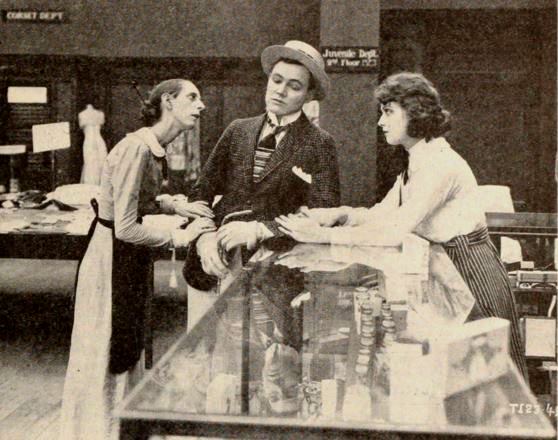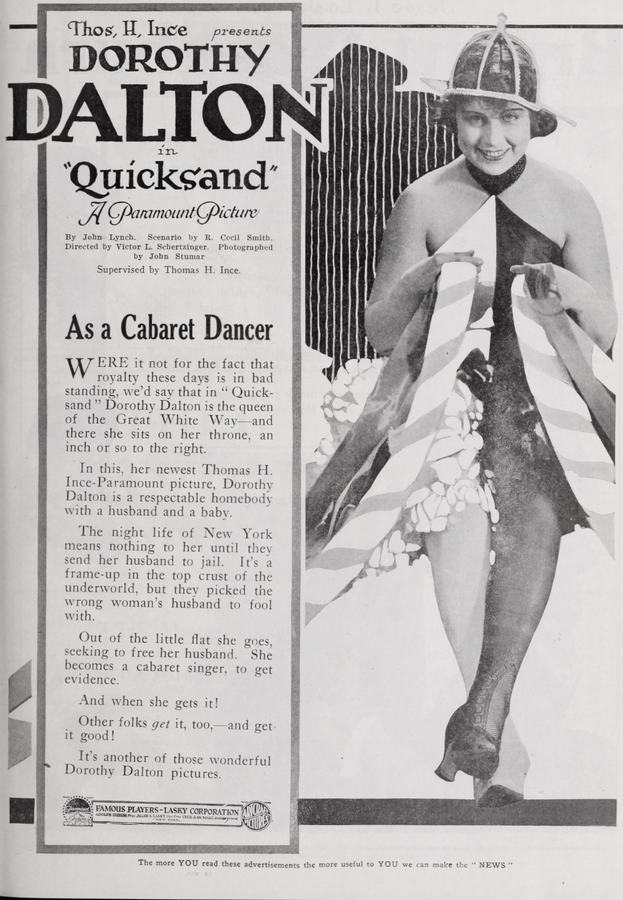
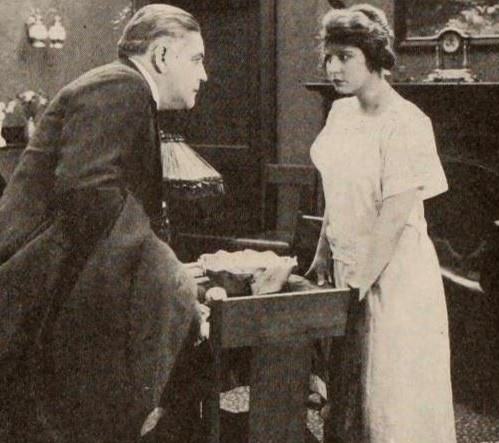
Jim Bowen, a cashier in a prosperous insurance firm, lives happily with his wife Mary and son Frankie until Alan Perry, the profligate son of Jim's employer, frames Jim for forgery. Because the fraudulent check was cashed in ward boss John Boland's cabaret, Mary decides to work there while Jim serves his time, in the hope of tracking down the real criminal.
R. Cecil Smith, John Lynch
United States
There is a moment, early in Quicksand, when the camera lingers on Jim Bowen’s ink-stained fingers as he tallies another day’s receipts; the celluloid seems to inhale the very scent of ledger paper, and in that hush you sense the fragile membrane separating respectability from ruination. One blot, one smudge, and the ...
publicity
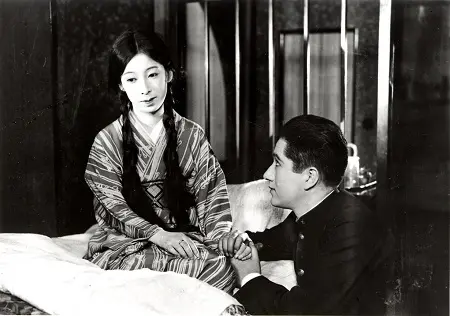
Comparing the cinematic DNA and archive impact of two defining moments in cult history.
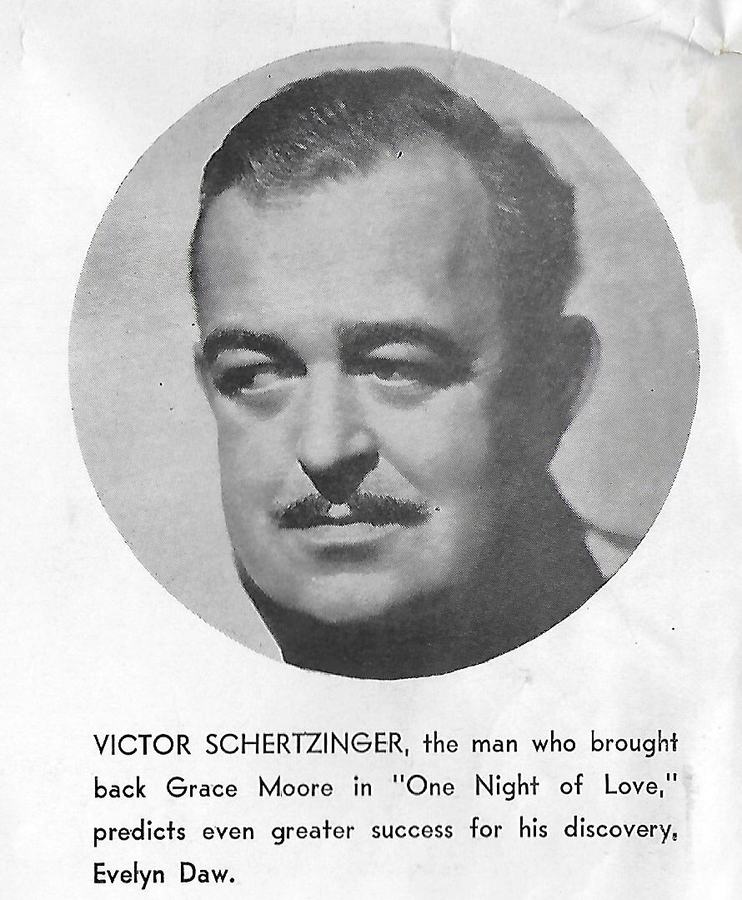
Victor Schertzinger
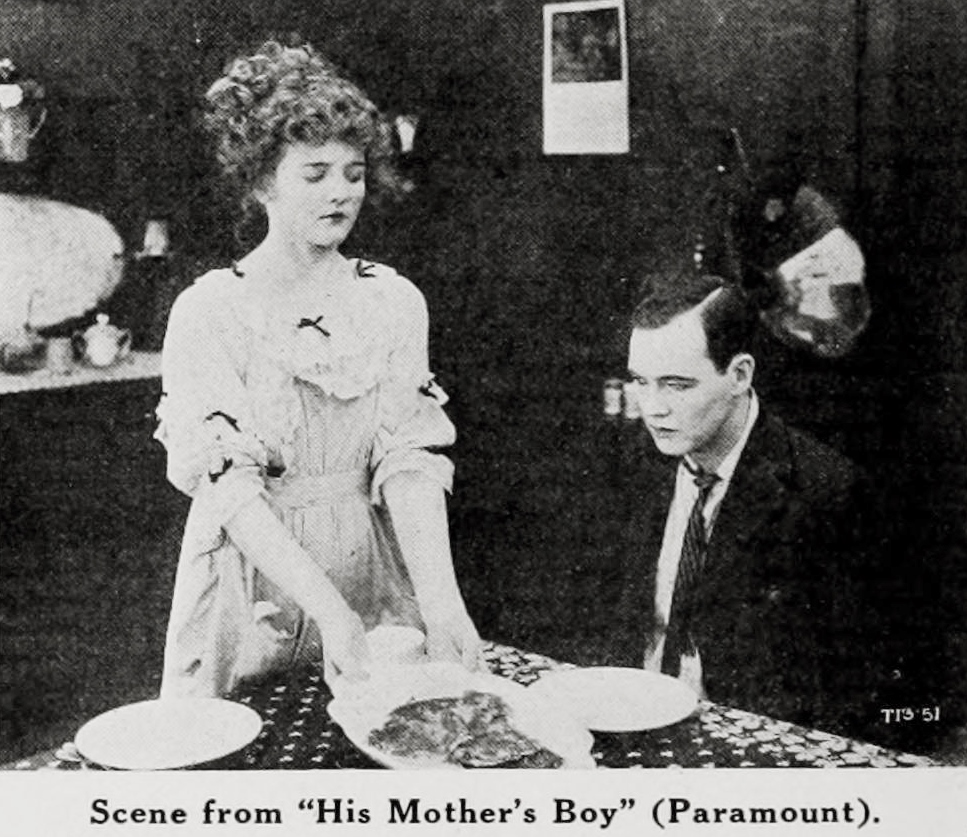
Victor Schertzinger
Community
Log in to comment.
" There is a moment, early in Quicksand, when the camera lingers on Jim Bowen’s ink-stained fingers as he tallies another day’s receipts; the celluloid seems to inhale the very scent of ledger paper, and in that hush you sense the fragile membrane separating respectability from ruination. One blot, one smudge, and the whole arithmetic of bourgeois comfort dissolves into a maw of accusation. Director John Lynch—working from R. Cecil Smith’s sinewy scenario—understands that the true villain is not..."