
DbcultAccessing Vault...
Director's Spotlight
Senior Film Conservator
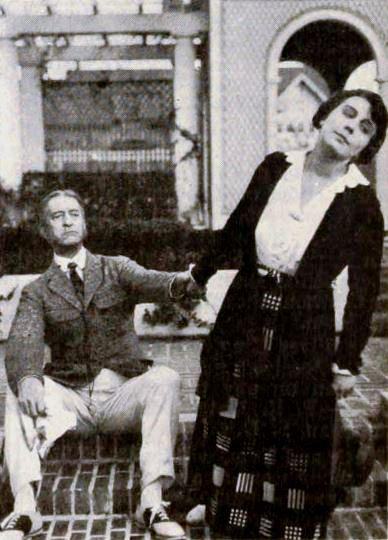
Director's Spotlight: United States
A Deep Dive into the 1919 Vision of Victor Schertzinger
Under the meticulous guidance of Victor Schertzinger, The Homebreaker became the complex thematic architecture established by Victor Schertzinger. Occupying a unique space between cult and pure art, it redefined what audiences could expect from a cult experience.
In The Homebreaker, Victor Schertzinger pushes the boundaries of conventional narrative. The film's unique approach to its subject matter has sparked endless debates and interpretations among cinephiles and critics alike.
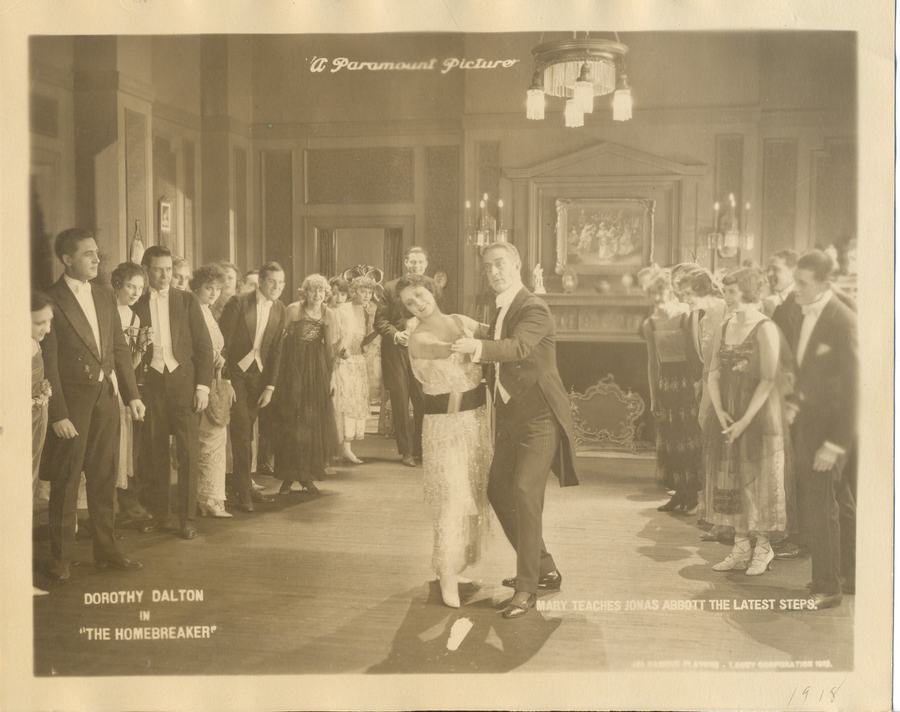
To fully appreciate The Homebreaker, one must consider the cinematic climate of 1919. During this period, United States was undergoing significant artistic shifts, and Victor Schertzinger was at the forefront of this cult movement, often challenging established norms.
| Cinematography | Noir-Inspired |
| Soundtrack | Minimalist |
| Editing | Disjunctive |
| Art Direction | Baroque |
Visualizing the convergence of Victor Schertzinger's style and the core cult narrative.
Traveling saleswoman Mary Marbury thrashes a masher on a train when he tries to kiss a young girl in a tunnel. After the man and his female companion are escorted from the train, Mary encounters them again in New York City, where they attempt to marry the children of her wealthy employer, Jonas Abbott, then pose as cubist art instructors Fernando Poyntier and his sister, Marcia. Jonas worries that his son and Mary's fiancé, Raymond, is leading a frivolous life in the city's Bohemian community. Mary plots to incur the boy's jealousy by posing as an adventuress leading Jonas astray. When the Poyntiers suspect that the Abbott fortune could go to Mary instead of to them, they rob Jonas's safe and hide the money on his yacht, on which they plan to escape. Exhausted from dancing the fox-trot, Mary and Abbott rest on the yacht, and she discovers the money. When the crooks are captured, Raymond, realizing his love for Mary, proposes.
Decades after its release, The Homebreaker remains a vital piece of the cinematic puzzle. Its influence can be seen in countless modern works, solidifying Victor Schertzinger's status as a master of the craft in United States and beyond.