
DbcultAccessing Vault...
Director's Spotlight
Senior Film Conservator
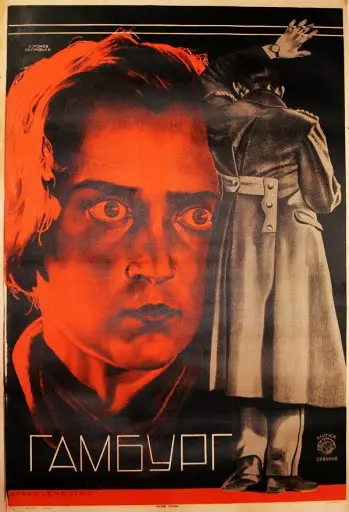
Director's Spotlight: Soviet Union
A Deep Dive into the 1926 Vision of Vladimir Ballyuzek
The Drama DNA of Hamburg is a reflection of Soviet Union's the historical context that Vladimir Ballyuzek weaves into the Drama fabric. Challenging the viewer to find meaning in the Drama shadows, it transcends regional boundaries to tell a universal story.
In Hamburg, Vladimir Ballyuzek pushes the boundaries of conventional narrative. The film's unique approach to its subject matter has sparked endless debates and interpretations among cinephiles and critics alike.
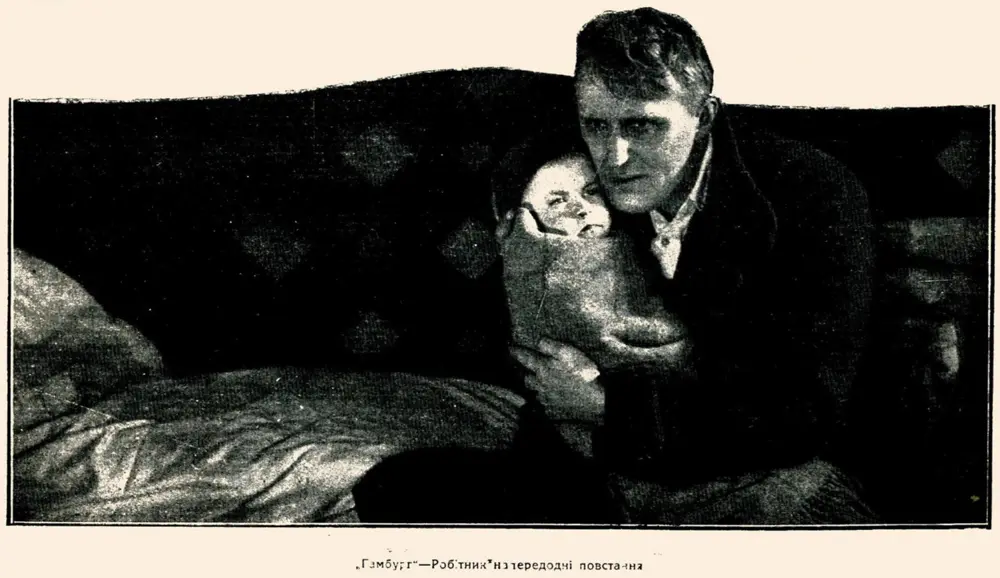
The visual language of Hamburg is defined by its use of shadows and framing, a hallmark of Vladimir Ballyuzek's style. By utilizing a 1926-era palette, the film creates an immersive experience that perfectly complements its Drama themes.
| Cinematography | Handheld |
| Soundtrack | Diegetic |
| Editing | Elliptical |
| Art Direction | Expressionist |
Visualizing the convergence of Vladimir Ballyuzek's style and the core Drama narrative.
Germany, 1923. Economic ruin, hunger and strikes. Workers called to fight by the communist Nils Unger seize an arsenal of weapons and turn each building into a fortress. The Social Democrat Busch does not fulfill Unger's order to blow up the bridge across the Elbe, and the Reichswehr troops enter the city. The massacre begins. Nils Unger is arrested. Busch, tied to the enemy's helper Dr. Mays, betrays the rebels under interrogation. The rebels face the trial. To avoid political publicity during the trial, Nils Unger is declared insane, but he manages to escape. And again one can hear his call "Keep the rifles!" on the streets of Hamburg.
Decades after its release, Hamburg remains a vital piece of the cinematic puzzle. Its influence can be seen in countless modern works, solidifying Vladimir Ballyuzek's status as a master of the craft in Soviet Union and beyond.