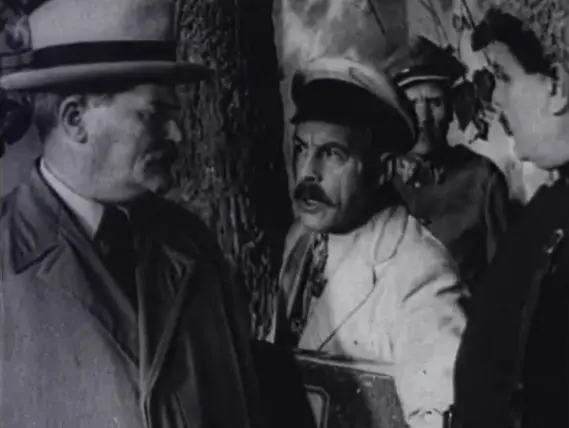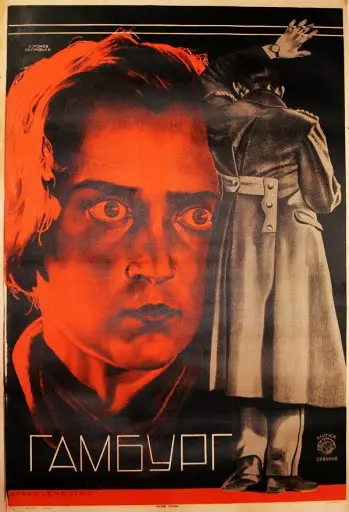
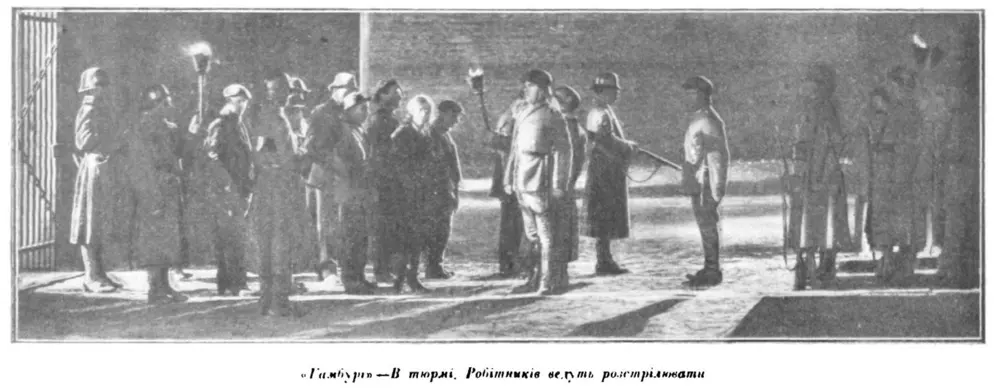
Germany, 1923. Economic ruin, hunger and strikes.
Is Hamburg Worth Watching Today?Is the 1923 silent film, Hamburg, worth watching today? Short answer: Yes, but with significant caveats that demand a specific kind of viewer.This film is unequivocally for those with a deep interest in early Soviet cinema, historical propaganda, and the tumultuous political landscape of...
publicity

publicity
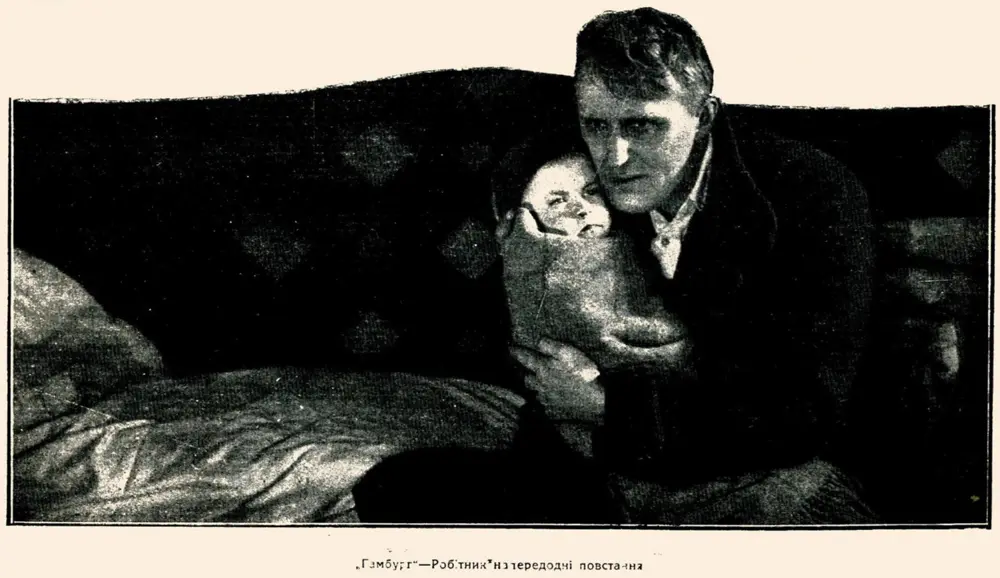
publicity
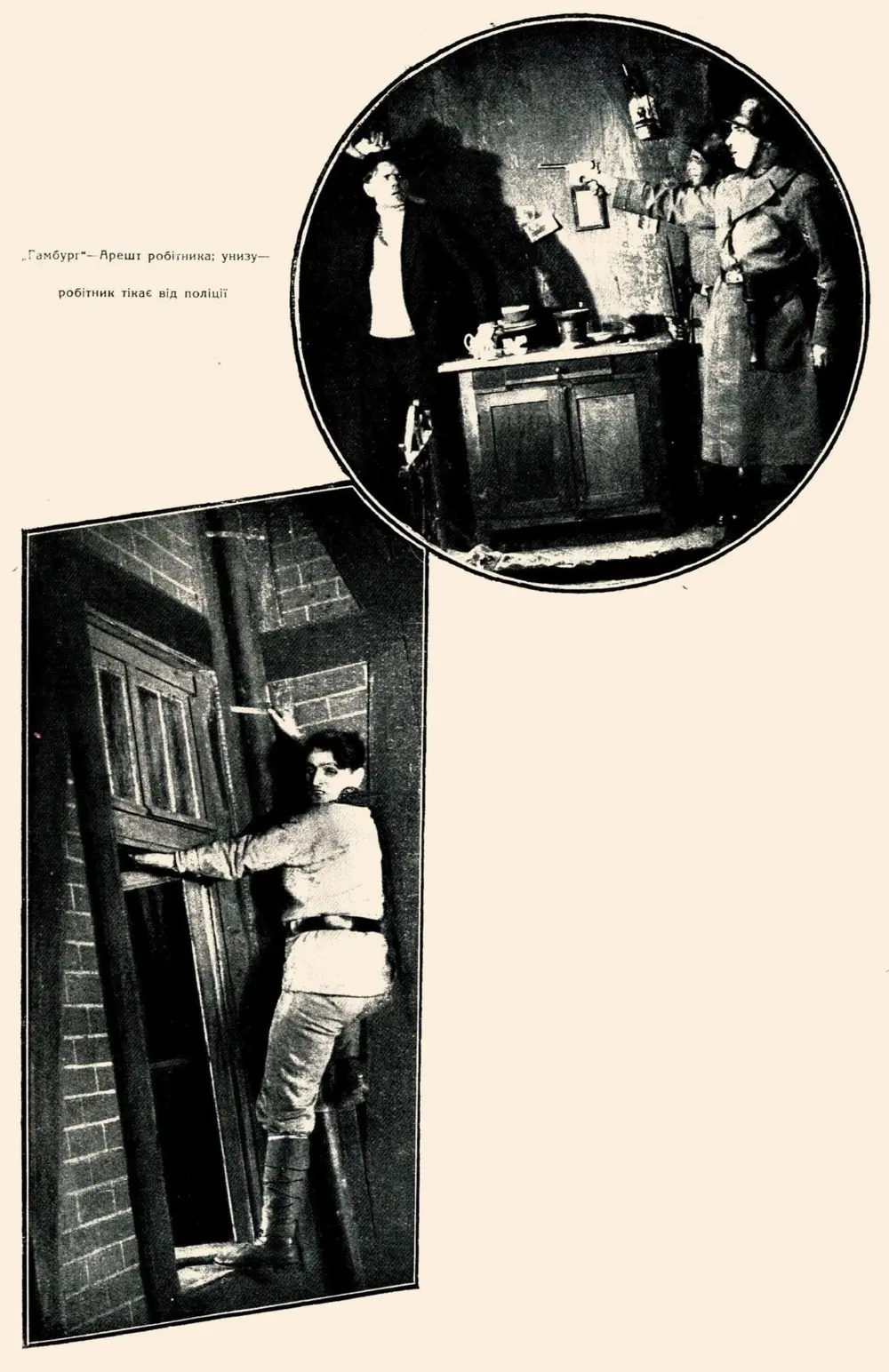
publicity
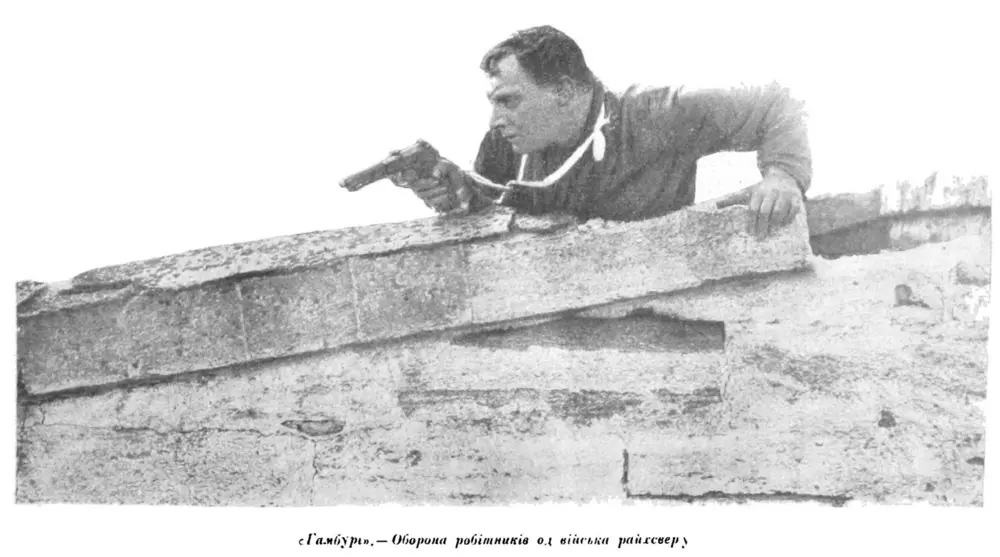
publicity
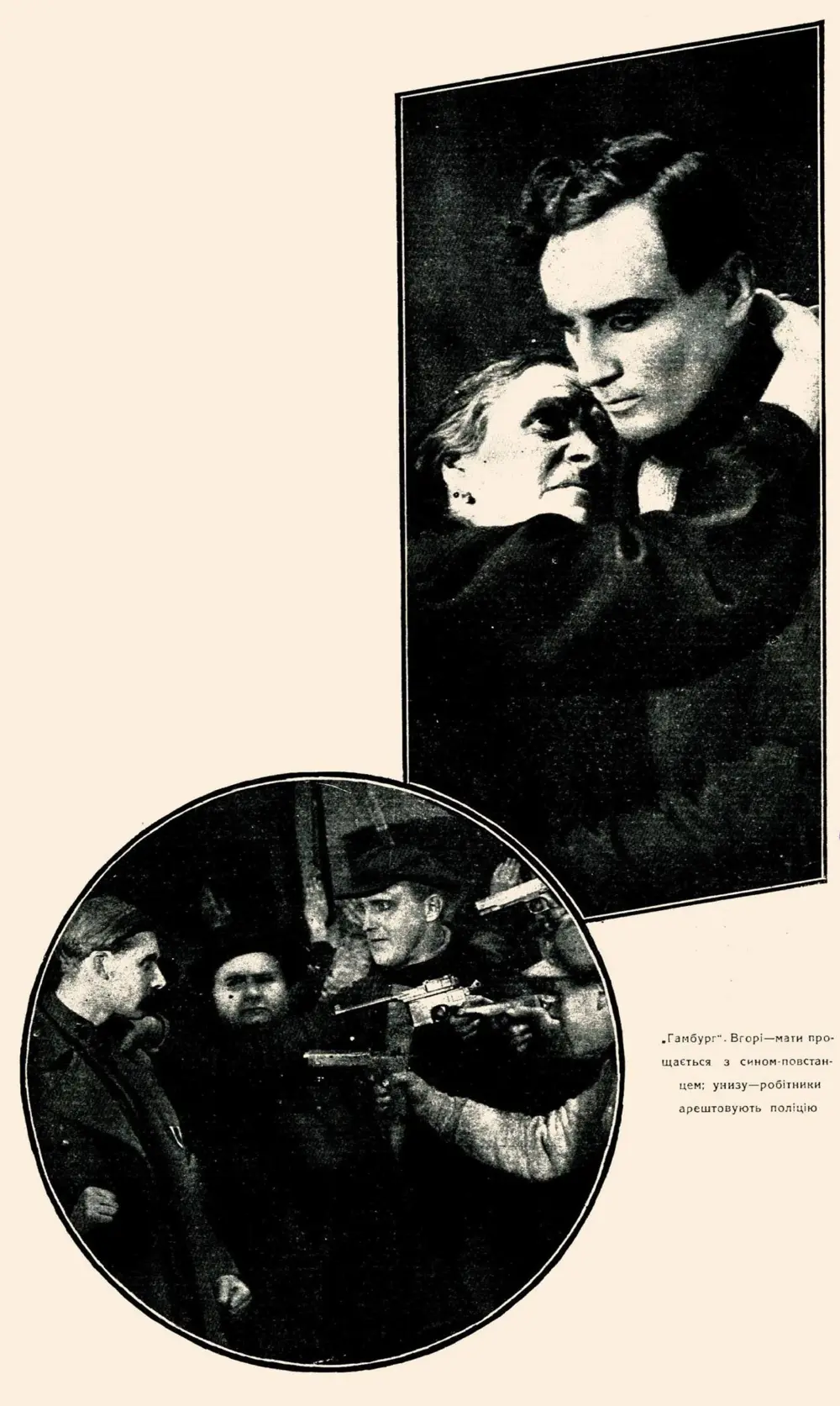
publicity
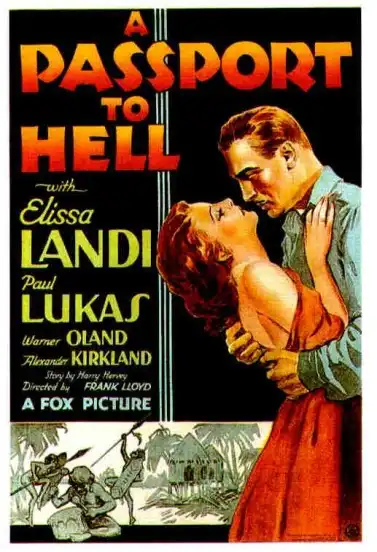

Comparing the cinematic DNA and archive impact of two defining moments in cult history.
Vladimir Ballyuzek
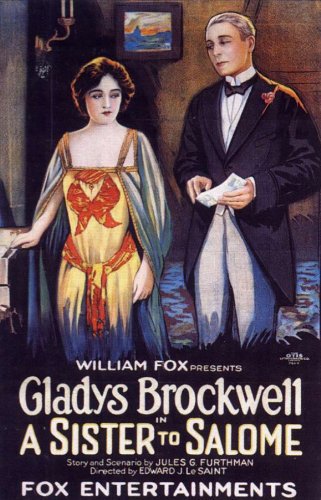
Edward LeSaint
Community
Log in to comment.
"Is Hamburg Worth Watching Today?Is the 1923 silent film, Hamburg, worth watching today? Short answer: Yes, but with significant caveats that demand a specific kind of viewer.This film is unequivocally for those with a deep interest in early Soviet cinema, historical propaganda, and the tumultuous political landscape of post-WWI Germany. It is decidedly NOT for casual viewers seeking modern pacing, nuanced character development, or a straightforward narrative without prior historical context.This..."
Matvei Lyarov
Larissa Reissner, Yuri Yanovsky
Soviet Union
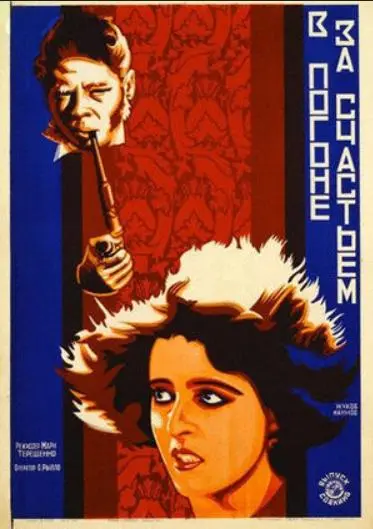
1927 · IMDb —