
DbcultAccessing Vault...
Director's Spotlight
Senior Film Conservator
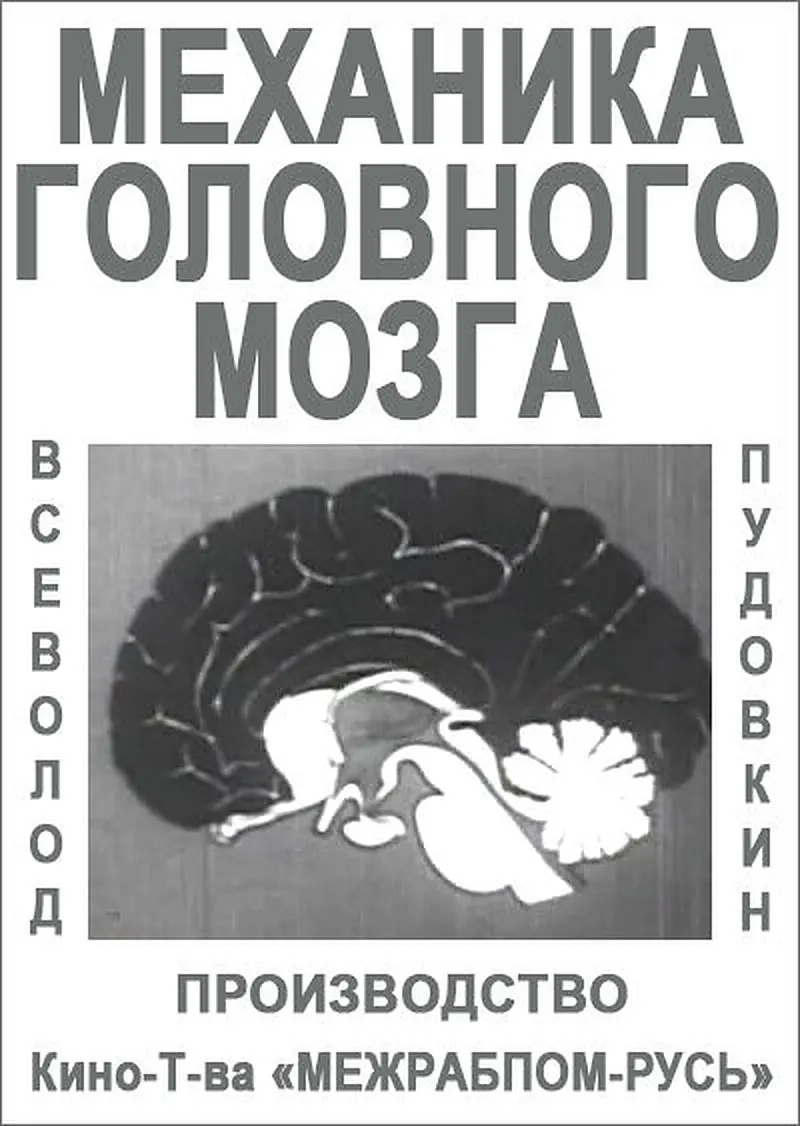
Director's Spotlight: Soviet Union
A Deep Dive into the 1926 Vision of Vsevolod Pudovkin
The evocative power of Mekhanika golovnogo mozga stems from the unique collaboration between the bold experimentation that has become synonymous with Vsevolod Pudovkin. Framed by the hauntingly beautiful landscapes of the production, it echoes the profound changes occurring in Soviet Union during that era.
In Mekhanika golovnogo mozga, Vsevolod Pudovkin pushes the boundaries of conventional narrative. The film's unique approach to its subject matter has sparked endless debates and interpretations among cinephiles and critics alike.
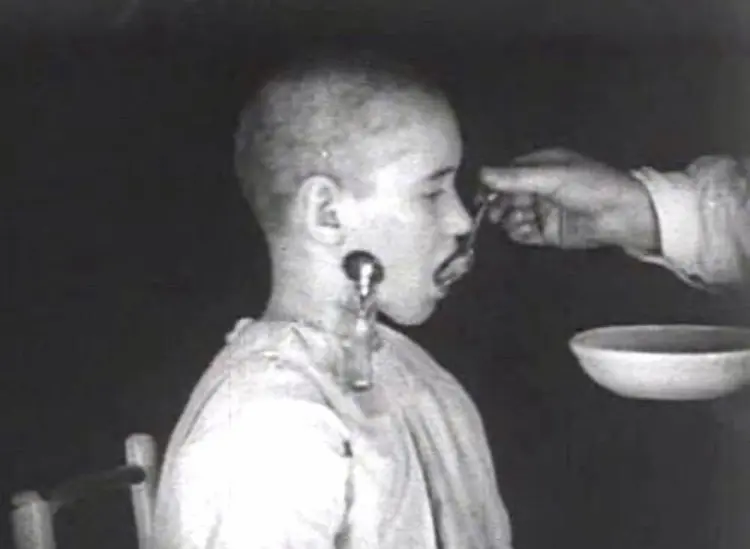
To fully appreciate Mekhanika golovnogo mozga, one must consider the cinematic climate of 1926. During this period, Soviet Union was undergoing significant artistic shifts, and Vsevolod Pudovkin was at the forefront of this Documentary movement, often challenging established norms.
| Cinematography | High-Contrast |
| Soundtrack | Orchestral |
| Editing | Invisible |
| Art Direction | Kitsch |
Visualizing the convergence of Vsevolod Pudovkin's style and the core Documentary narrative.
"Though not given a New York showing until 1935, V. I. Pudovkin's Mechanics of the Brain (Mekhanika Golovnovo Mozga) was written and directed by Pudovkin in 1926. A full year in the making, this scientific documentary concentrates on the behavioral studies conducted by Prof. Ivan Pavlov. The laboratory dogs used in Pavlov's research don't seem too happy about it, and as a result this film might be hard to take for the more sensitive viewers (the vivisection sequence is particularly rough). The progress of the research is detailed with charts and graphs, hardly the "cinematic" touches one might expect from Pudovkin. Interestingly, Mechanics of the Brains was released two years before the results of Pavlov's studies were printed in book form."
Decades after its release, Mekhanika golovnogo mozga remains a vital piece of the cinematic puzzle. Its influence can be seen in countless modern works, solidifying Vsevolod Pudovkin's status as a master of the craft in Soviet Union and beyond.