Summary
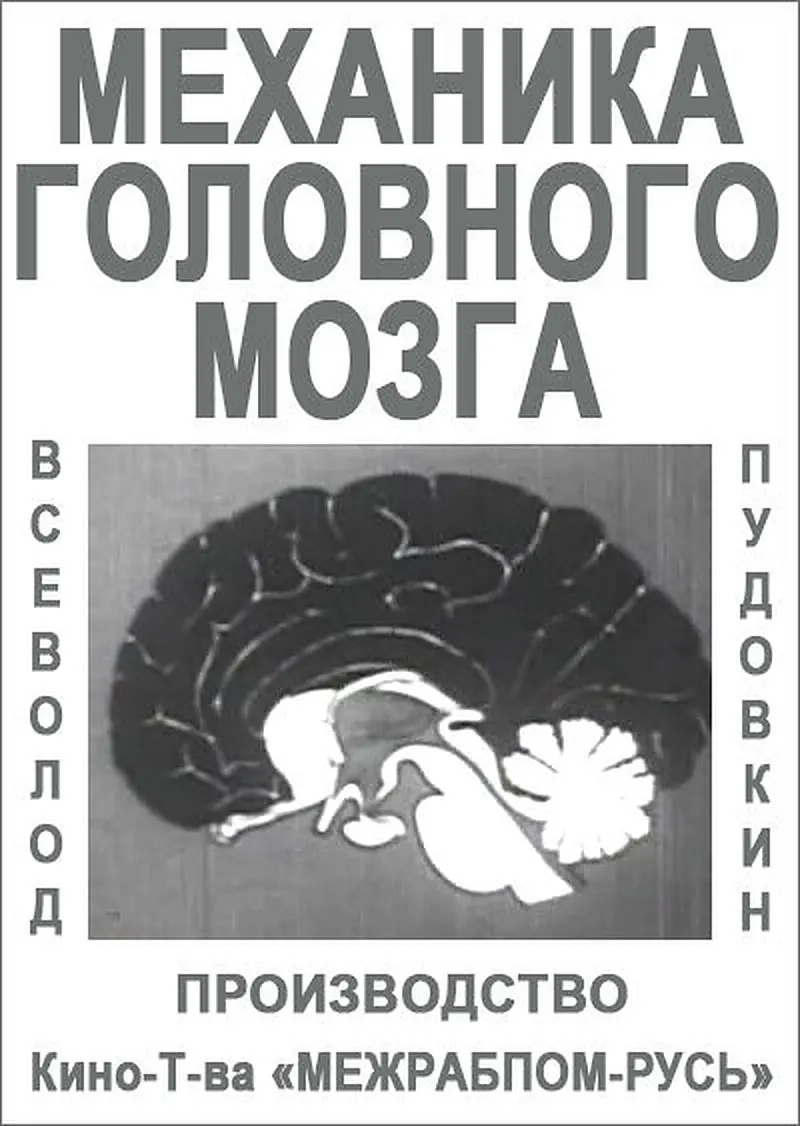
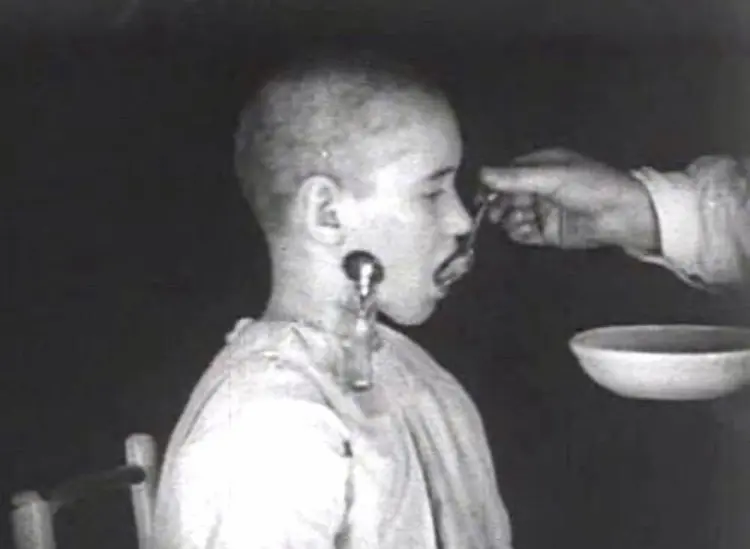
V.I. Pudovkin’s 1926 documentary, Mekhanika golovnogo mozga (Mechanics of the Brain), is a stark departure from the poetic montage of his narrative masterpieces. This film serves as a cold, clinical documentation of Professor Ivan Pavlov’s groundbreaking behavioral studies on conditioned reflexes. Rather than a dramatized account, Pudovkin offers a methodical visual catalog of laboratory experiments involving dogs, children, and the biological machinery of response. It is a film that treats the living body as a series of gears and levers, predating the published results of Pavlov’s work by two years. Through charts, graphs, and unflinching footage of invasive procedures, the film explores the intersection of biology and environment, stripping away the mystery of the mind to reveal the raw mechanics of survival and adaptation.
Synopsis
"Though not given a New York showing until 1935, V. I. Pudovkin's Mechanics of the Brain (Mekhanika Golovnovo Mozga) was written and directed by Pudovkin in 1926. A full year in the making, this scientific documentary concentrates on the behavioral studies conducted by Prof. Ivan Pavlov. The laboratory dogs used in Pavlov's research don't seem too happy about it, and as a result this film might be hard to take for the more sensitive viewers (the vivisection sequence is particularly rough). The progress of the research is detailed with charts and graphs, hardly the "cinematic" touches one might expect from Pudovkin. Interestingly, Mechanics of the Brains was released two years before the results of Pavlov's studies were printed in book form."