
DbcultAccessing Vault...
Director's Spotlight
Senior Film Conservator

Director's Spotlight: United States
A Deep Dive into the 1925 Vision of Webster Campbell
Under the meticulous guidance of Webster Campbell, The Pace That Thrills became the complex thematic architecture established by Webster Campbell. Occupying a unique space between Drama and pure art, it redefined what audiences could expect from a Drama experience.
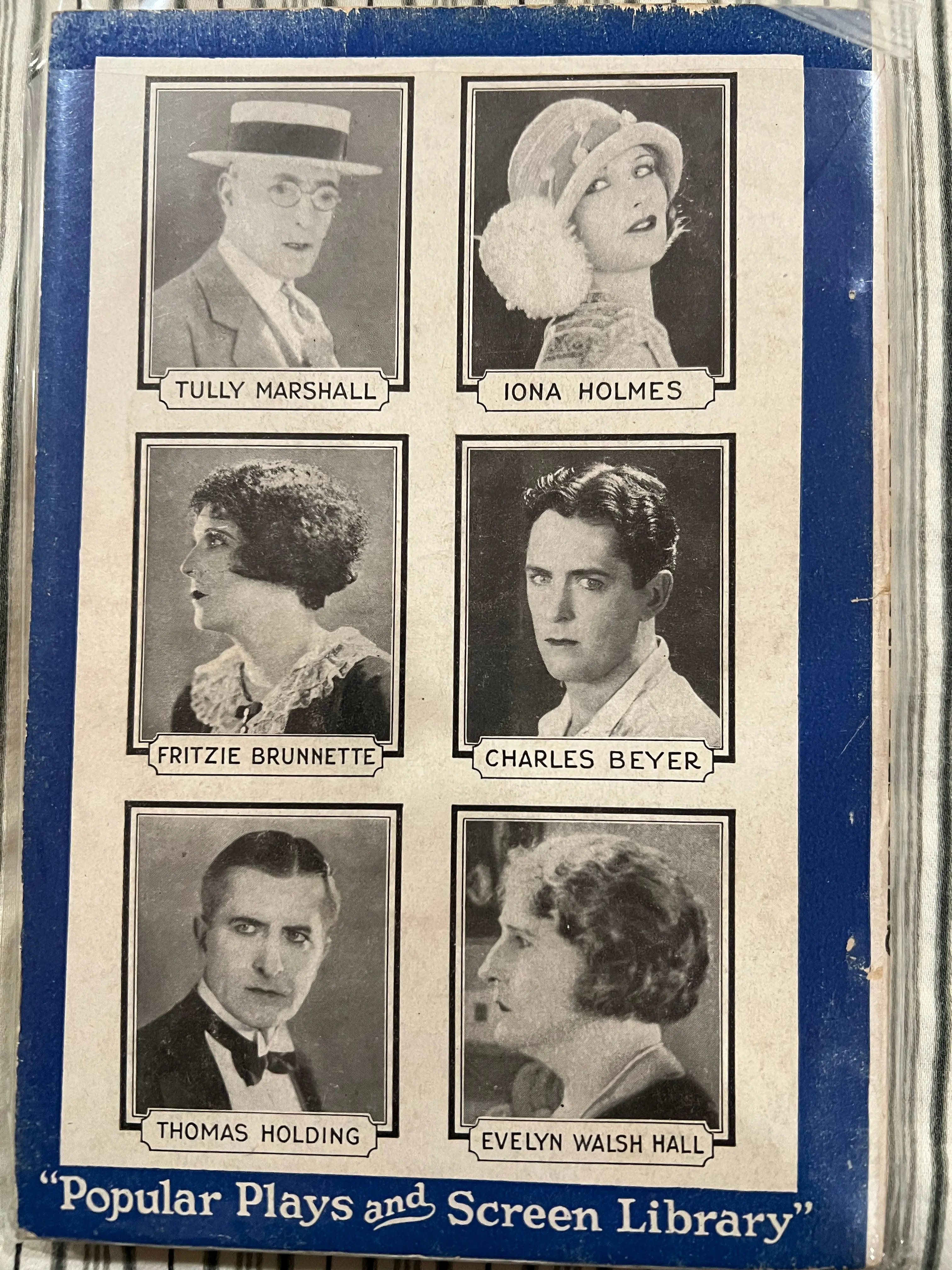
In The Pace That Thrills, Webster Campbell pushes the boundaries of conventional narrative. The film's unique approach to its subject matter has sparked endless debates and interpretations among cinephiles and critics alike.
| Cinematography | Handheld |
| Soundtrack | Orchestral |
| Editing | Invisible |
| Art Direction | Kitsch |
Visualizing the convergence of Webster Campbell's style and the core Drama narrative.
Paula, a chorus girl married to an aristocratic dipsomaniac, tries to protect her infant son from a drunken prank and inadvertently causes the death of her husband. She is accused of murder and sentenced to life in prison on circumstantial evidence; her son, Danny, is put in an orphanage. Years later Danny becomes a movie star and spends every cent he earns in an effort to prove his mother's innocence, refusing, therefore, to take any chances with his own life. He is accused of cowardice by the newspapers and finally agrees to enter an automobile race. Danny loses the race but proves himself to be a man; his mother is released from jail.
Decades after its release, The Pace That Thrills remains a vital piece of the cinematic puzzle. Its influence can be seen in countless modern works, solidifying Webster Campbell's status as a master of the craft in United States and beyond.