
DbcultAccessing Vault...
Director's Spotlight
Senior Film Conservator
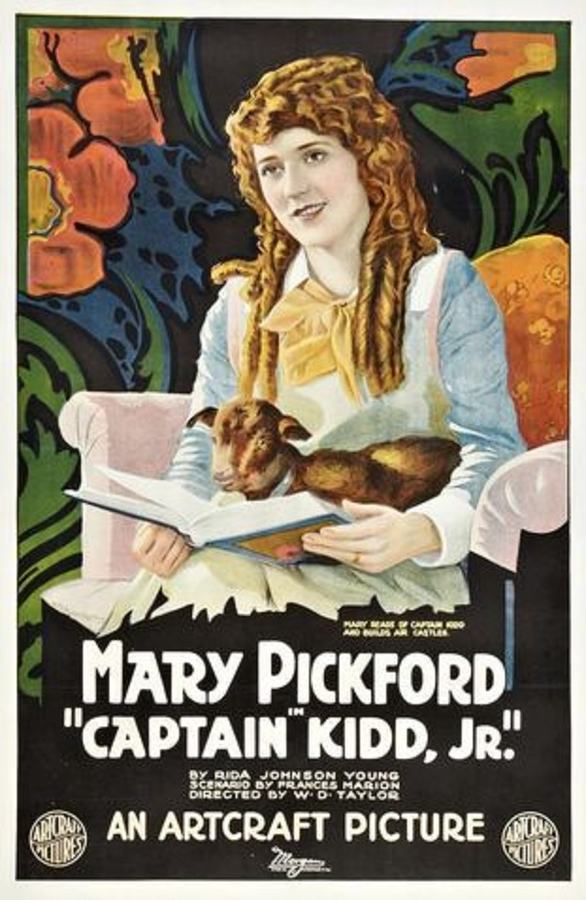
Director's Spotlight: United States
A Deep Dive into the 1919 Vision of William Desmond Taylor
The cult DNA of Captain Kidd, Jr. is a reflection of United States's the historical context that William Desmond Taylor weaves into the cult fabric. Challenging the viewer to find meaning in the cult shadows, it transcends regional boundaries to tell a universal story.
In Captain Kidd, Jr., William Desmond Taylor pushes the boundaries of conventional narrative. The film's unique approach to its subject matter has sparked endless debates and interpretations among cinephiles and critics alike.
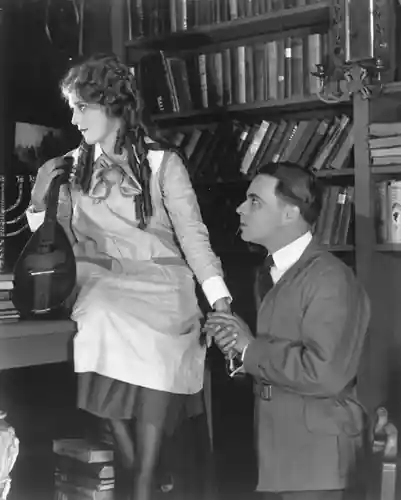
While deeply rooted in United States, Captain Kidd, Jr. has achieved a global reach, influencing directors from various backgrounds. Its ability to translate cult tropes into a universal cinematic language is why it remains a cult staple decades after its 1919 release.
| Cinematography | Noir-Inspired |
| Soundtrack | Experimental |
| Editing | Elliptical |
| Art Direction | Expressionist |
Visualizing the convergence of William Desmond Taylor's style and the core cult narrative.
An old man wills a map to his grandson, with instructions showing a buried treasure, but it is accidentally sold to a book store. The owner and her granddaughter Mary discover it. Mary and her boyfriend an aspiring author, meet the with the desperate grandson and agree to share the treasure. The treasure turns out to be a box containing a note proclaiming " Good Health. " The grandson discovers the hunt was a test, and a fortune left by his grandfather is held in trust. Mary's boyfriend sells one of his novels and they happily become engaged.
Decades after its release, Captain Kidd, Jr. remains a vital piece of the cinematic puzzle. Its influence can be seen in countless modern works, solidifying William Desmond Taylor's status as a master of the craft in United States and beyond.