
DbcultAccessing Vault...
Director's Spotlight
Senior Film Conservator
Director's Spotlight: United States
A Deep Dive into the 1918 Vision of William P.S. Earle
Under the meticulous guidance of William P.S. Earle, T'Other Dear Charmer became the cultural zeitgeist captured so perfectly by William P.S. Earle in 1918. Driven by an uncompromising commitment to cult excellence, it remains a vital reference point for anyone studying the evolution of William P.S. Earle.
In T'Other Dear Charmer, William P.S. Earle pushes the boundaries of conventional narrative. The film's unique approach to its subject matter has sparked endless debates and interpretations among cinephiles and critics alike.
The visual language of T'Other Dear Charmer is defined by its use of shadows and framing, a hallmark of William P.S. Earle's style. By utilizing a 1918-era palette, the film creates an immersive experience that perfectly complements its cult themes.
| Cinematography | Noir-Inspired |
| Soundtrack | Synth-Heavy |
| Editing | Rhythmic |
| Art Direction | Naturalist |
Visualizing the convergence of William P.S. Earle's style and the core cult narrative.
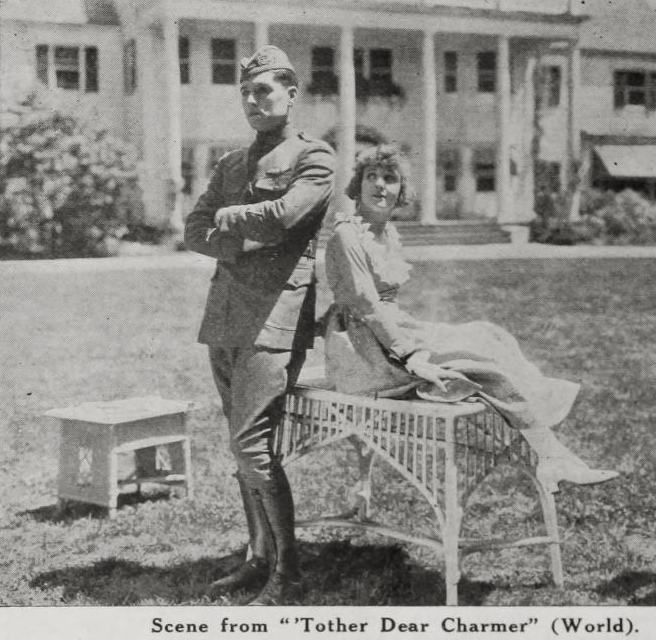
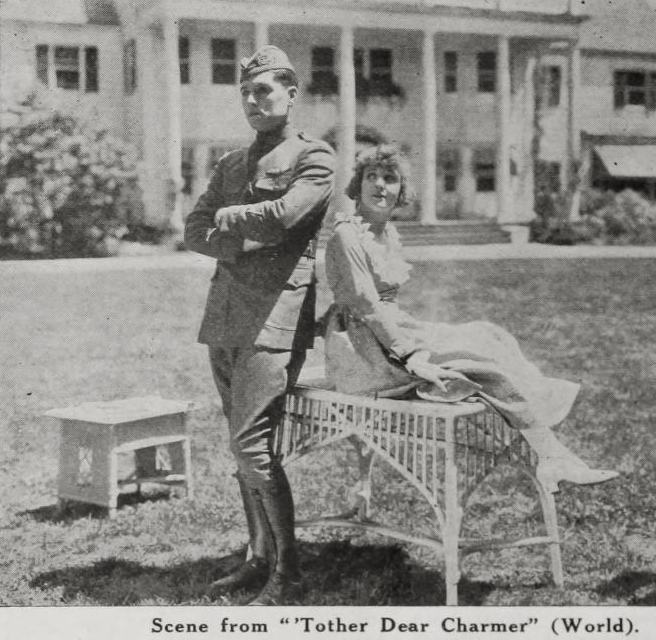
When heiress Betty Hallowell organizes a Red Cross bazaar to raise money for the American effort in The Great War, she is disappointed that the event is not a success, so she decides to lease her beautiful country house to Mrs. Wentworth, a wealthy widow whose son Tom is recuperating from injuries received overseas. When Mrs. Wentworth suddenly demands the services of a maid for the summer, Betty, unable to secure a servant on such short notice, dons a dark wig and poses as "French maid Bettina." Much to his mother's embarrassment, Tom and "Bettina" fall madly in love, but necessity forces Betty to temporarily drop her disguise and reappear as the mistress of the house. Confused, Tom falls just as madly in love with Betty. Finally, he decides that he prefers Bettina to Betty, but Betty's uncle arrives and her deception is revealed. Tom explains his infidelity by stating that Betty's sweetness caused him to love her in both of her identities, and she is satisfied.
Decades after its release, T'Other Dear Charmer remains a vital piece of the cinematic puzzle. Its influence can be seen in countless modern works, solidifying William P.S. Earle's status as a master of the craft in United States and beyond.