
DbcultAccessing Vault...
Director's Spotlight
Senior Film Conservator
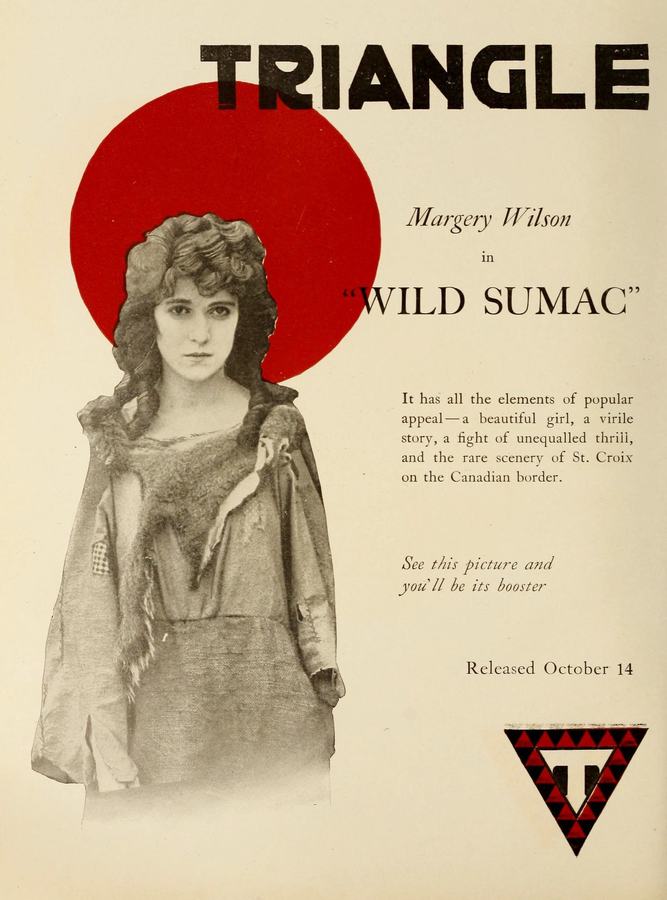
Director's Spotlight: United States
A Deep Dive into the 1917 Vision of William V. Mong
The cult DNA of Wild Sumac is a reflection of United States's the historical context that William V. Mong weaves into the cult fabric. Challenging the viewer to find meaning in the cult shadows, it transcends regional boundaries to tell a universal story.
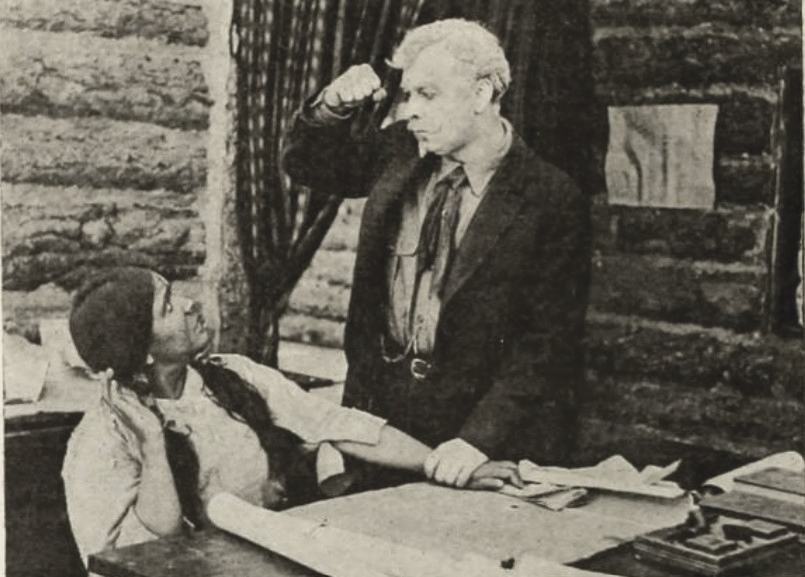
In Wild Sumac, William V. Mong pushes the boundaries of conventional narrative. The film's unique approach to its subject matter has sparked endless debates and interpretations among cinephiles and critics alike.
| Cinematography | Deep Focus |
| Soundtrack | Orchestral |
| Editing | Invisible |
| Art Direction | Kitsch |
Visualizing the convergence of William V. Mong's style and the core cult narrative.
French Canadian Jacques Fontaine shoots a man in a tavern brawl and then flees, a fugitive from the North West Mounted Police. Fifteen years later, he wanders into St. Croix, Alberta, where he meets Lupine, a repulsive half-breed trapper, and his enchanting daughter Wild Sumac. Also in St. Croix is Pierre du Fere, the son of Armand du Fere, the man who is building the railroad through the town. Du Fere falls prey to the whiskey and cards that Lupine traffics at night and when he accuses the half-breed of cheating, Lupine shoots him. Lupine accuses Sumac of the crime, and she is arrested by Sergeant Lewis. She is saved by Jacques, who, in a fearful fight with Lupine, wrings a confession from him. The half-breed also confesses that Sumac is not his daughter, but the niece of Armand du Fere. In the excitement Jacques betrays his own identity, but Sgt. Lewis informs him that the man he shot did not die. All ends happily as Jacques is acquitted of charges and returns to Sumac, his love.
Decades after its release, Wild Sumac remains a vital piece of the cinematic puzzle. Its influence can be seen in countless modern works, solidifying William V. Mong's status as a master of the craft in United States and beyond.