
Curated Collection
The Altar of Progress: Martyrdom and Moral Decay in the Pre-War Era
An exploration of early cinema's obsession with social sacrifice, the 'fallen' archetype, and the spiritual cost of the industrial revolution.
16 films in this collection
The Crucible of the New Century
As the 19th century faded into the rearview mirror, the burgeoning medium of cinema became the primary vessel for processing a world in radical flux. The period between 1910 and 1917 represents a unique, often overlooked 'moral crucible' in film history. This was an era where the Victorian preoccupation with virtue collided head-on with the cold, impersonal machinery of the Industrial Revolution and the looming shadow of the Great War. The films in this collection, ranging from the gritty social realism of the United States to the operatic tragedies of Italy and the psychological depths of Pre-Revolutionary Russia, all share a common thread: the exploration of sacrifice. Whether it is the sacrifice of a woman’s reputation, a worker's body, or a soldier's life, these films ask a singular, haunting question: What is the price of progress?
The Fallen and the Redeemed: Urban Melodrama
Central to this era’s output is the 'fallen woman' narrative, a genre that served as both a cautionary tale and a sensationalist exposé of urban vice. In films like Salvation Nell (1915) and Life's Shop Window (1914), we see the city depicted as a predatory labyrinth. The migration from rural innocence to urban experience was a lived reality for millions, and cinema reflected the anxieties of this transition. These stories weren't merely about personal failure; they were systemic critiques. They examined how poverty and the lack of social safety nets forced individuals into impossible moral choices. The 'martyrdom' here is often quiet and domestic—the sacrifice of one's future to survive the present. In The Warfare of the Flesh (1917), this struggle is elevated to an almost allegorical level, illustrating the internal battle between traditional morality and the temptations of a modern, materialistic world.
The Industrial Body: Labor and its Toll
While some films focused on the soul, others looked at the physical cost of the new age. The 1913 masterpiece Germinal; or, The Toll of Labor stands as a towering example of how early cinema engaged with class struggle. By depicting the brutal conditions of the mining industry, filmmakers began to use the camera as a tool for social advocacy. The 'Altar of Progress' demanded a constant supply of human energy, and the cinema of this period was there to document the exhaustion. We see echoes of this in the German production Denn die Elemente hassen (1913), where the dangers of the natural world are amplified by human greed and industrial negligence. These films moved away from the 'attractions' of early trick films and toward a narrative form that demanded empathy for the common worker.
Nationalism and the Sacred Sacrifice
As the world moved closer to global conflict, the theme of sacrifice shifted from the individual to the state. The 'patriotic martyr' became a dominant archetype. Nurse Cavell (1916) and Joan the Woman (1916) represent the pinnacle of this trend. Cecil B. DeMille’s Joan the Woman, in particular, utilized the historical figure of Joan of Arc to mirror the contemporary sacrifices being made on the battlefields of Europe. These films served a dual purpose: they were high-art spectacles that pushed the boundaries of cinematic scale, and they were potent pieces of cultural mobilization. The sacrifice of the individual for the 'greater good' of the nation became a recurring motif, seen also in The Man Without a Country (1917) and A Soldier's Oath (1915). Here, the 'Altar of Progress' is replaced by the 'Altar of the Nation,' where blood is the required currency for sovereignty.
Global Variations: From Russia to Japan
The beauty of this thematic collection lies in its global diversity. While Hollywood was refining its narrative grammar, other nations were contributing unique cultural perspectives to the theme of moral decay and sacrifice. In the Russian Federation, films like Deti veka (1915) and The Dagger Woman (1916) offered a more decadent, somber take on the 'fallen' narrative, often ending in nihilism rather than the redemption typically found in American counterparts. In Italy, the 'diva' films like Odette (1916) transformed social disgrace into high opera, emphasizing the aesthetic beauty of suffering. Even in Japan, with titles like Iwami Jûtarô (1917), the transition from feudal honor codes to modern storytelling began to take shape. This collection highlights that the anxieties of the 1910s were not confined to any one border; they were the collective labor pains of the modern world.
Legacy of the Martyr
By 1917, the language of cinema had matured. The long-form feature had replaced the short reel, and the themes of sacrifice and moral conflict had become more complex. The films curated here are the ancestors of the great social dramas of the 1920s and the noir sensibilities of the 1940s. They represent a time when filmmakers were first discovering that the flickering image could do more than just entertain—it could provoke, accuse, and mourn. To watch these films today is to witness the birth of the cinematic conscience. They remind us that behind every leap forward in technology and society, there is a human cost that cinema, in its uniquely empathetic way, is destined to record.
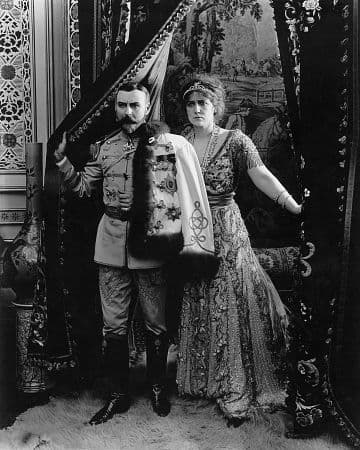
The Fall of the Romanoffs
Herbert Brenon
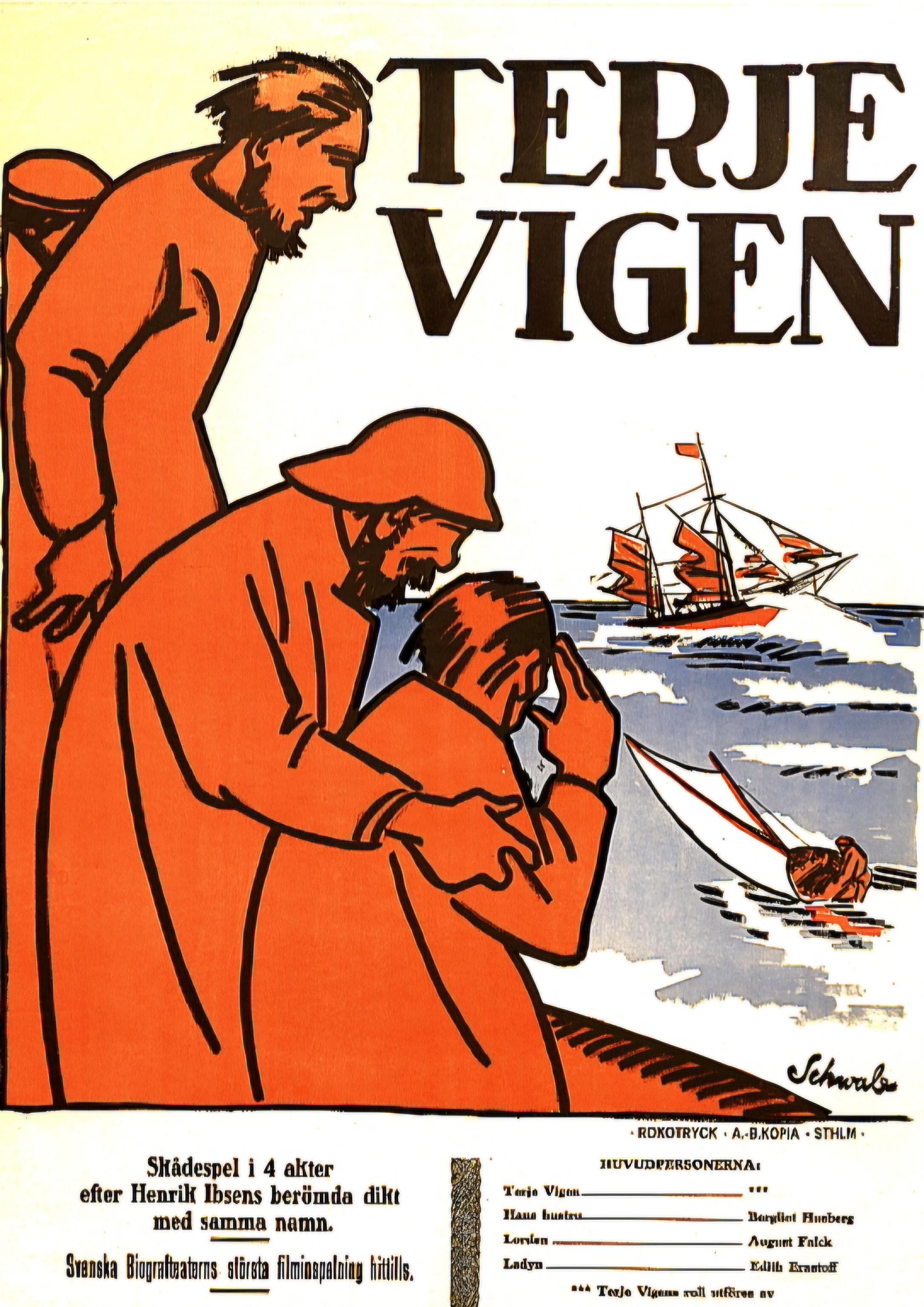
A Man There Was
Victor Sjöström
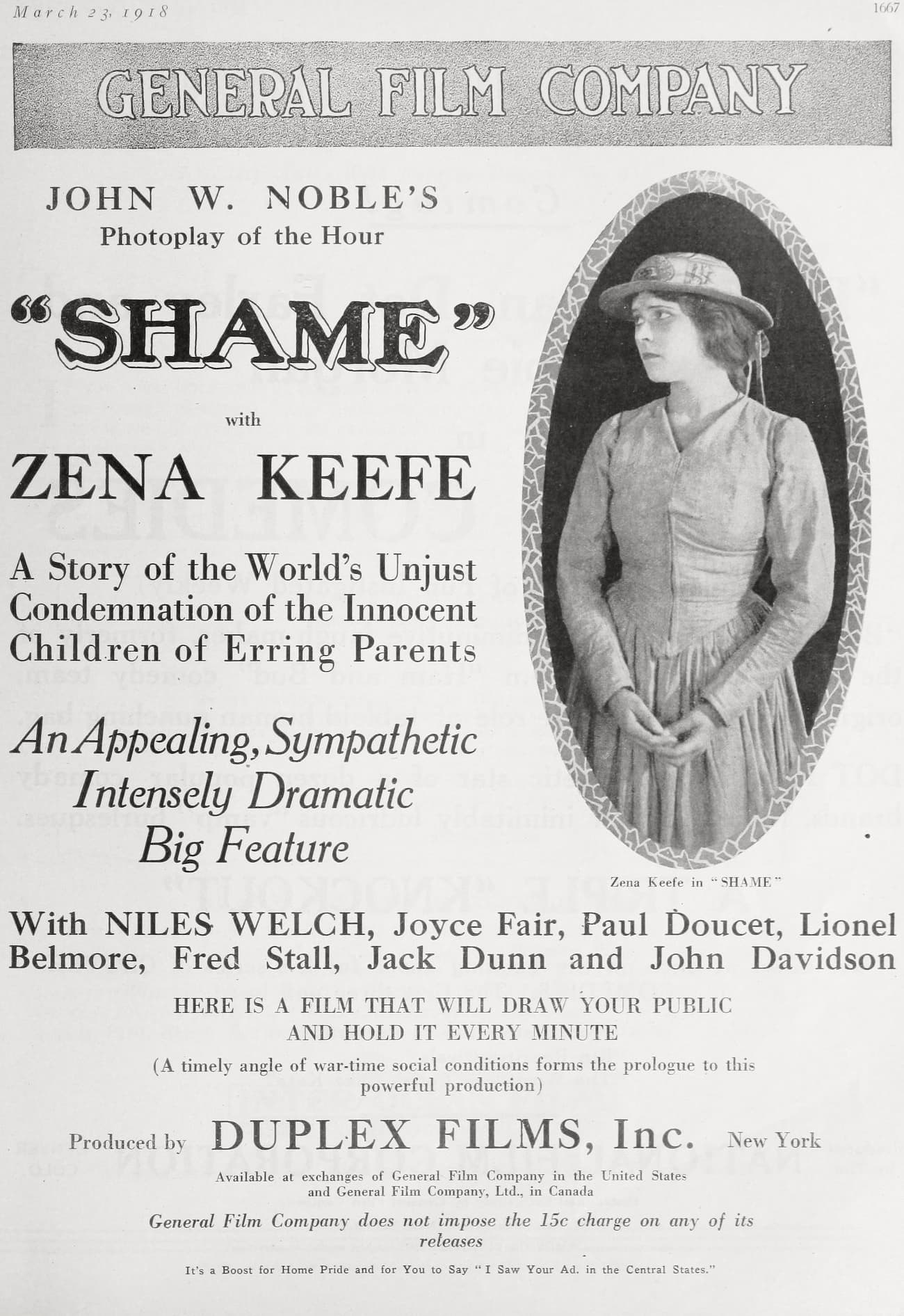
Shame
John W. Noble
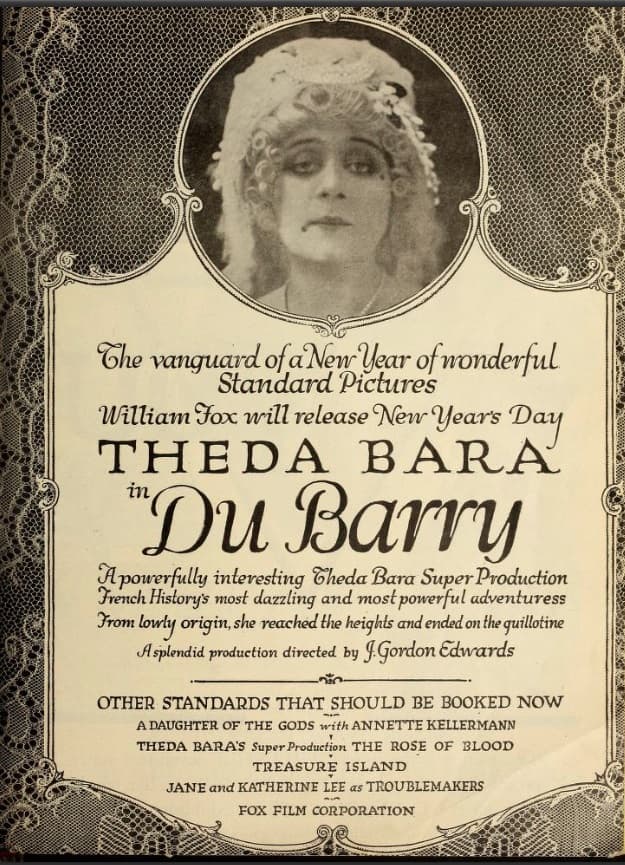
Madame Du Barry
J. Gordon Edwards
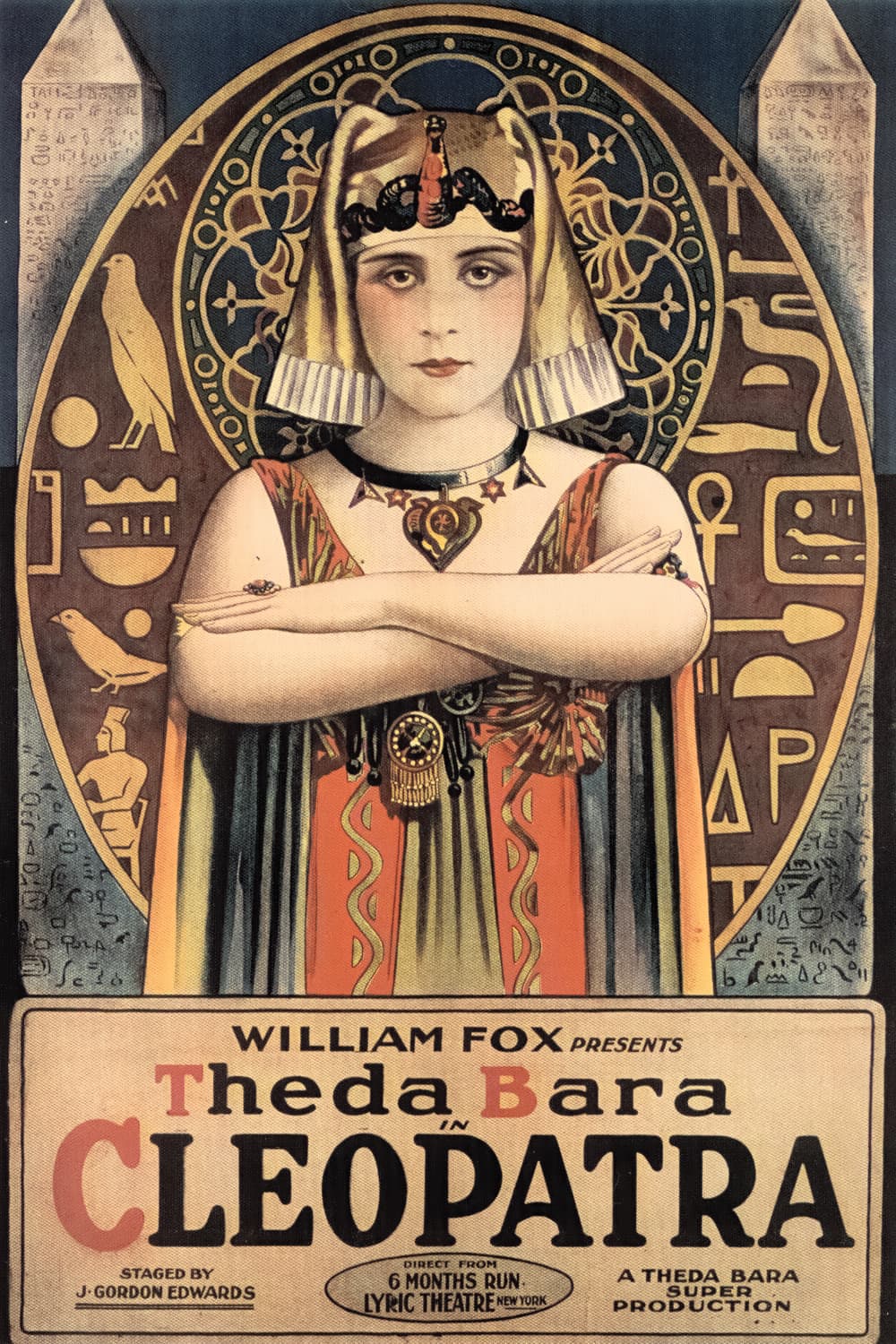
Cleopatra
J. Gordon Edwards
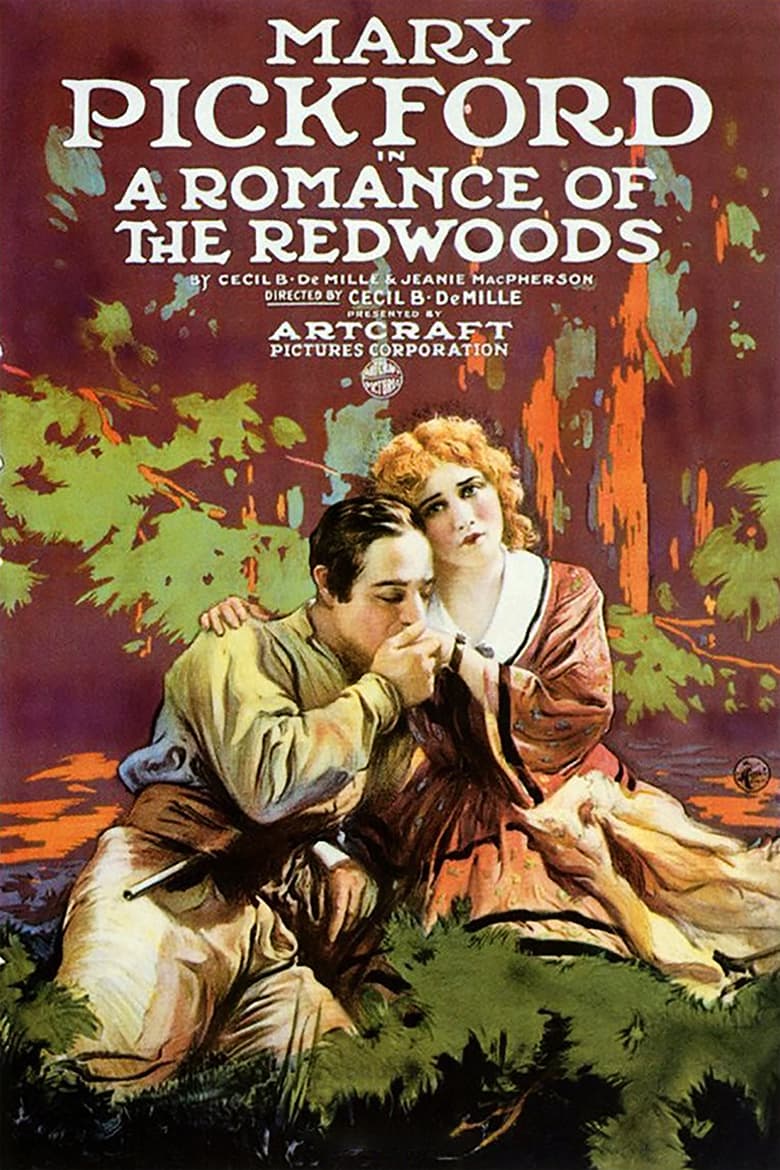
A Romance of the Redwoods
Cecil B. DeMille
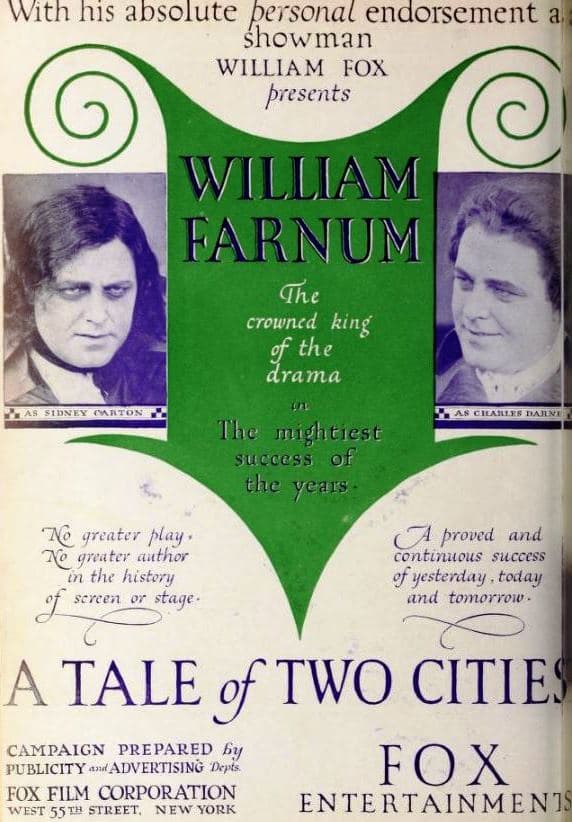
A Tale of Two Cities
Frank Lloyd
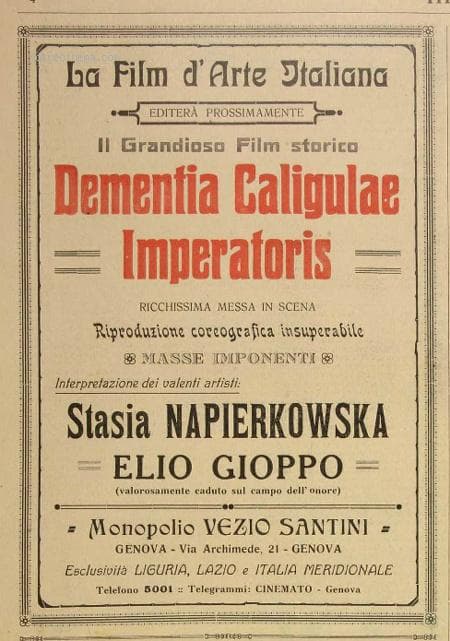
La tragica fine di Caligula imperator
Ugo Falena
A Mormon Maid
Robert Z. Leonard
The Conqueror
Raoul Walsh
A Rough Shod Fighter
Edward Sloman
Darkest Russia
Travers Vale
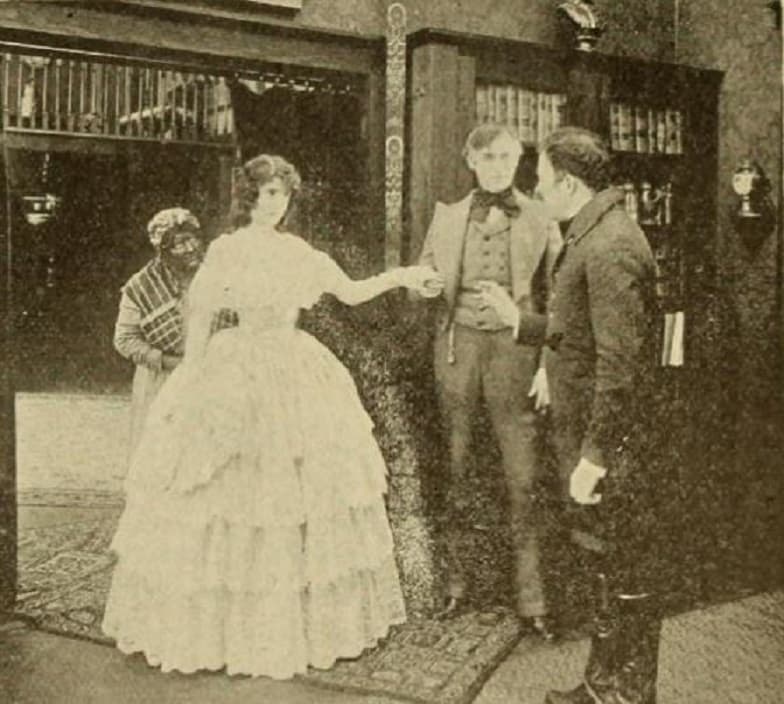
The Bride of Hate
Walter Edwards
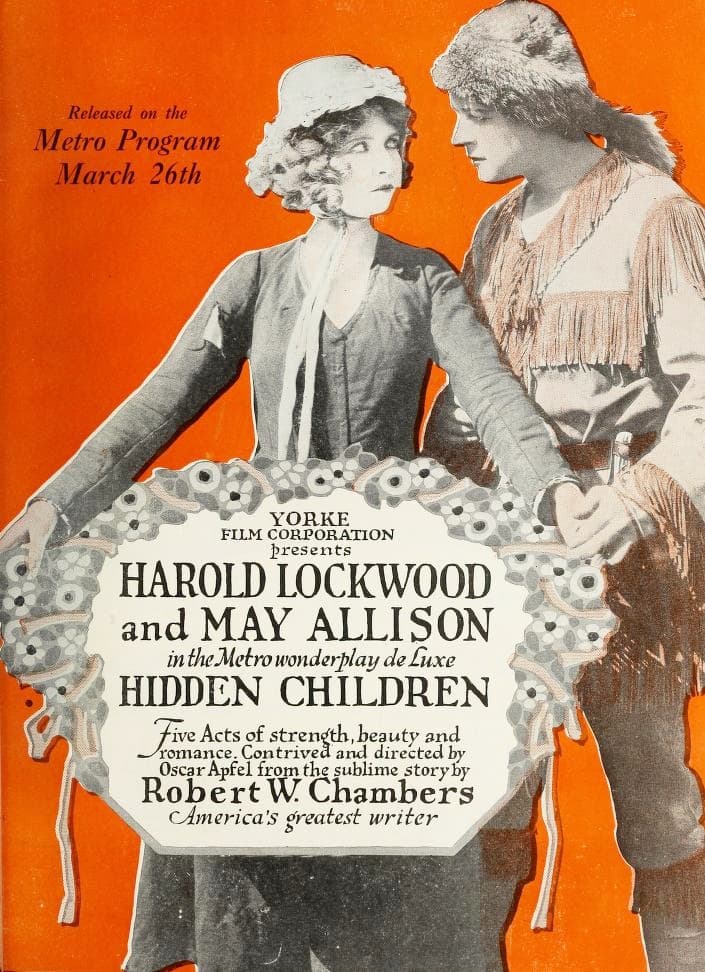
The Hidden Children
Oscar Apfel
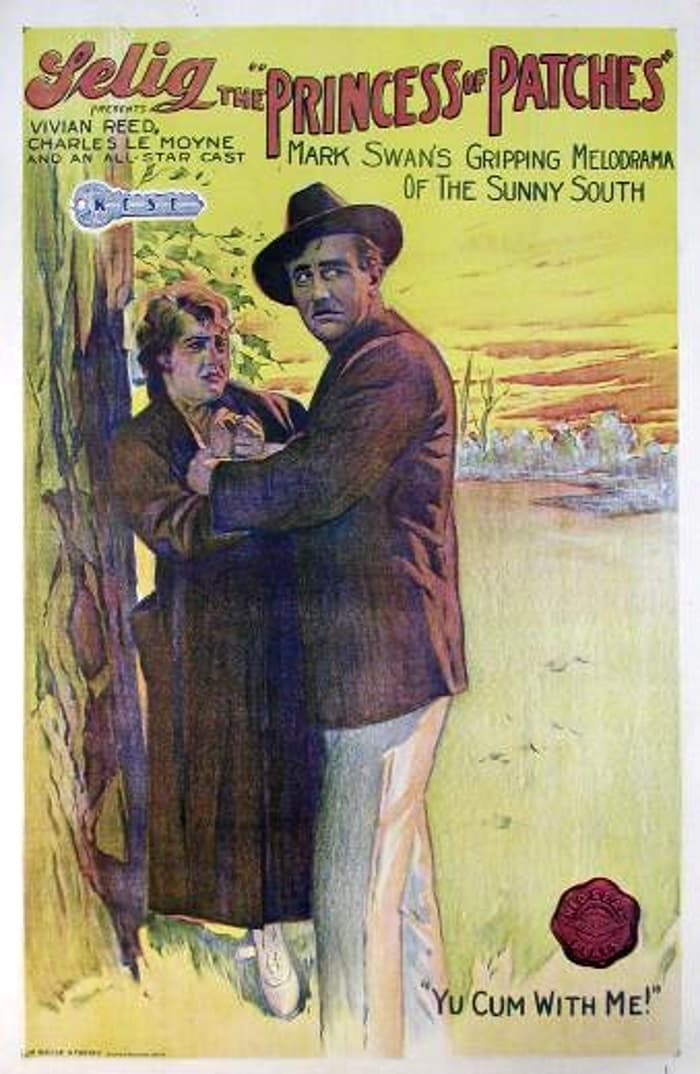
The Princess of Patches
Alfred E. Green
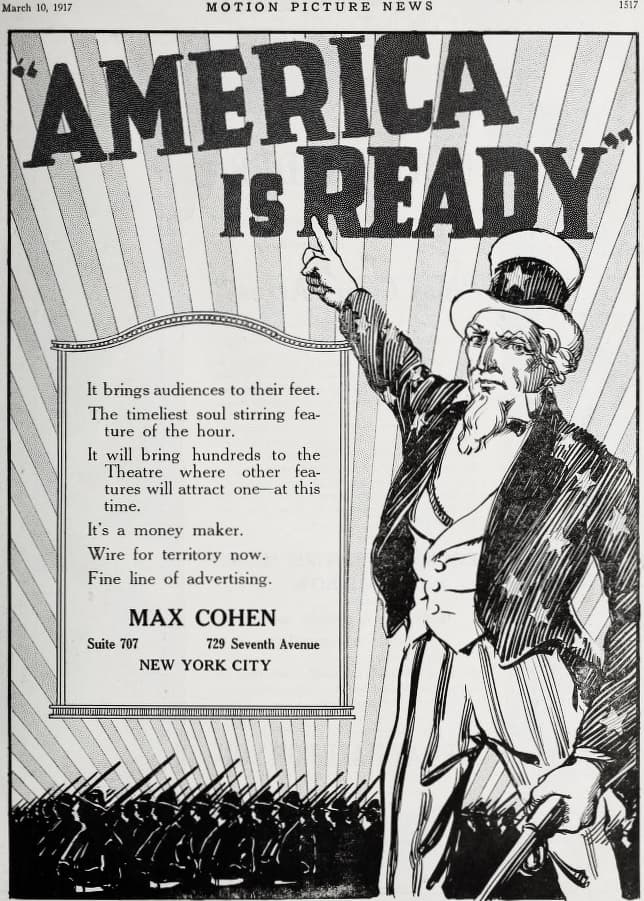
America Is Ready
Unknown Director