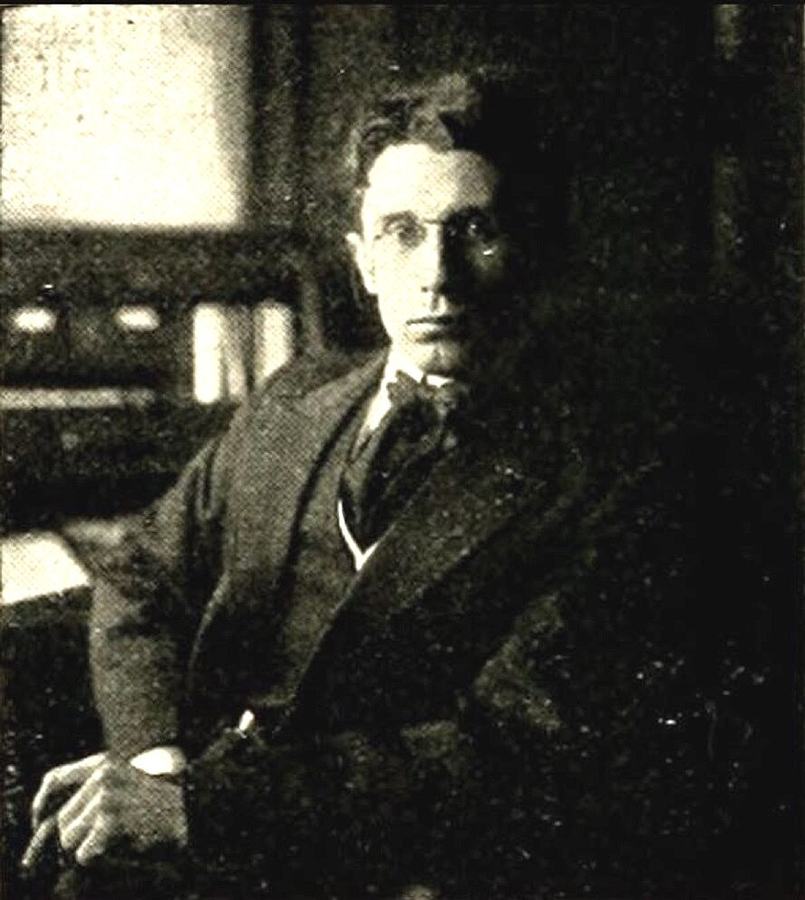
J. Searle Dawley
cinematographer, director, writer
- Birth name:
- James Searle Dawley
- Born:
- 1877-05-13, Del Norte, Colorado, USA
- Died:
- 1949-03-30, Hollywood, California, USA
- Professions:
- cinematographer, director, writer
Biography
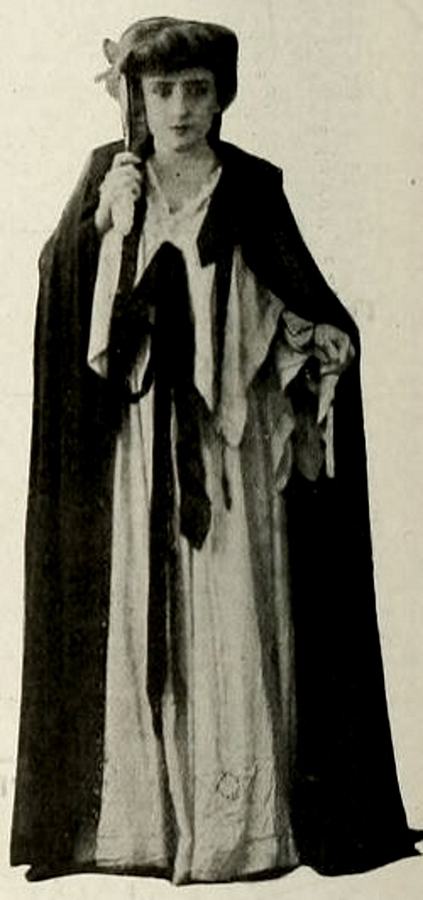
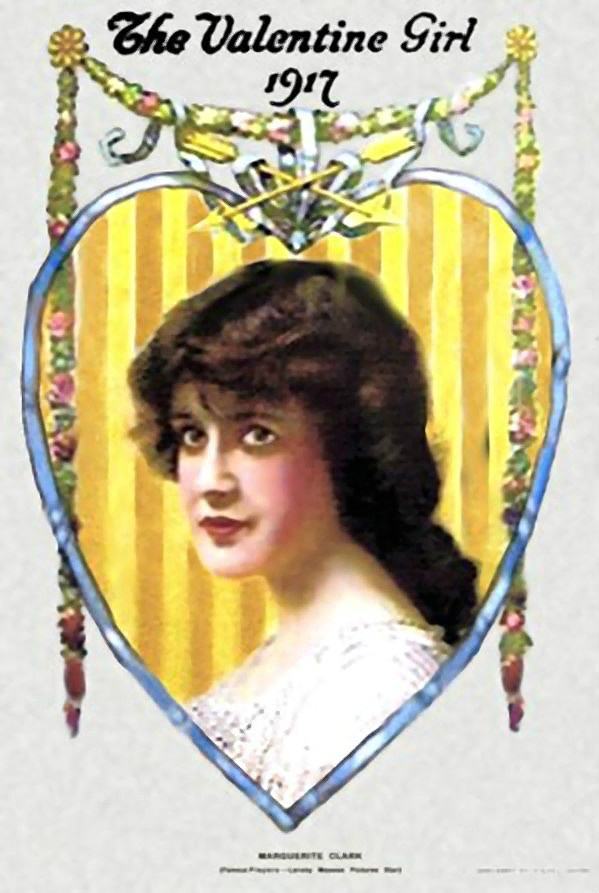
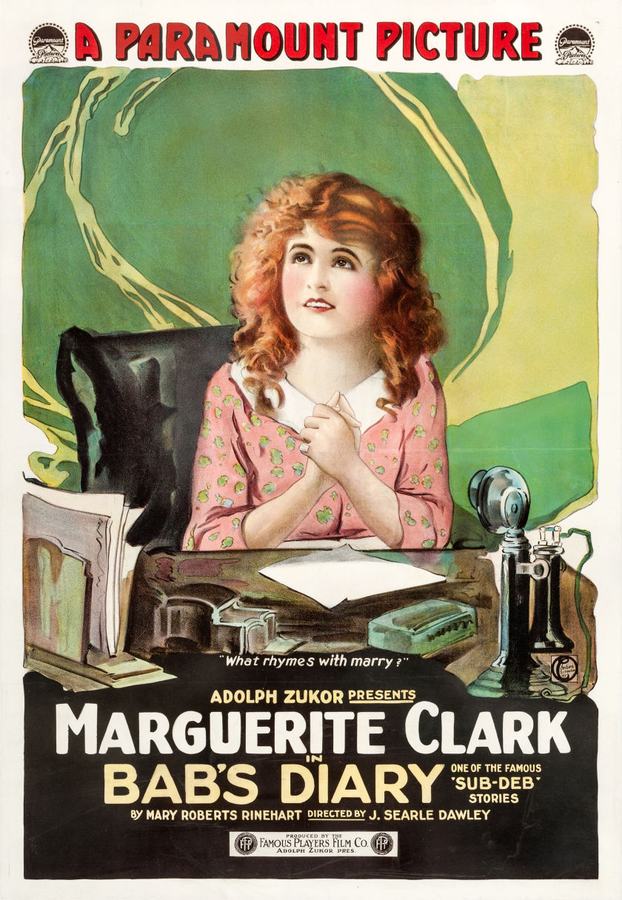
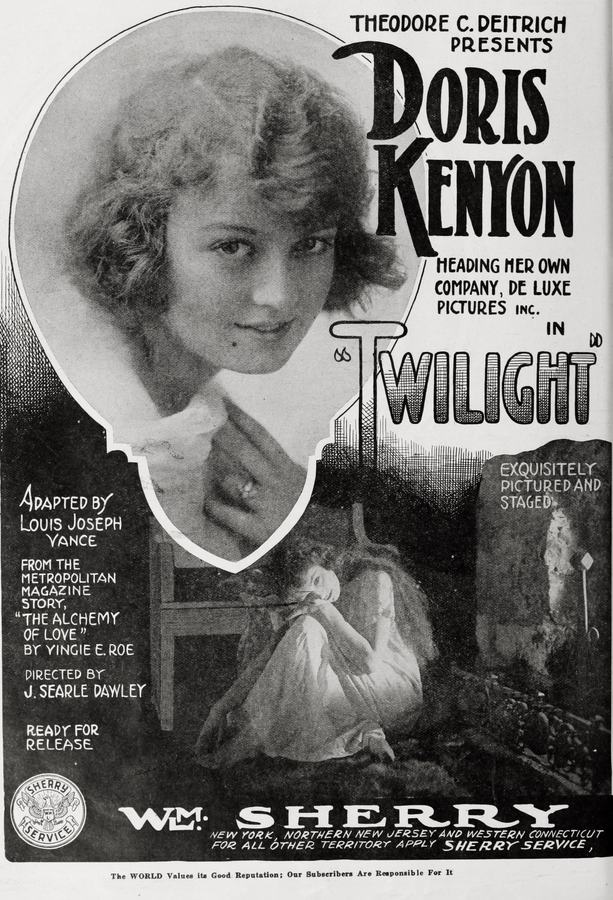
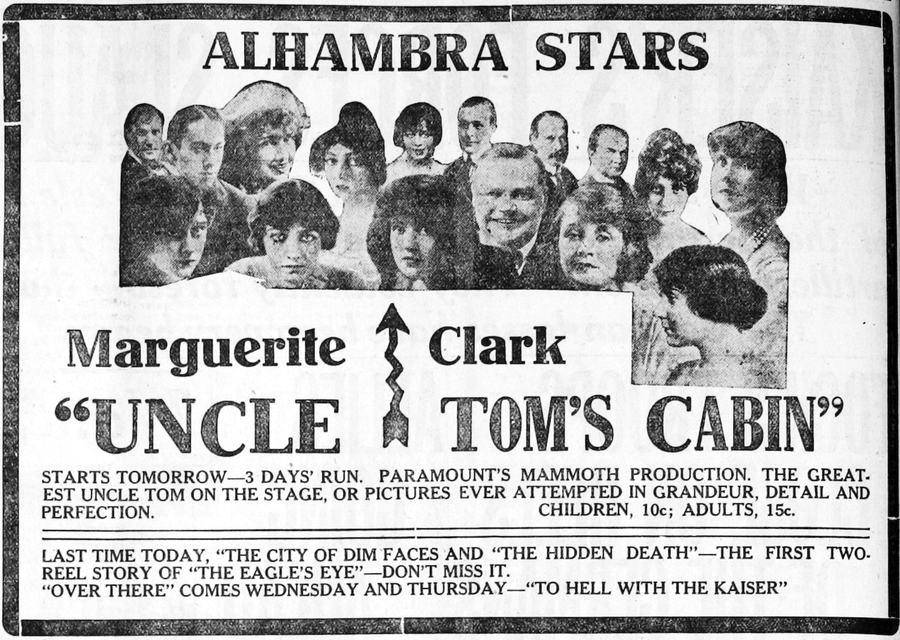
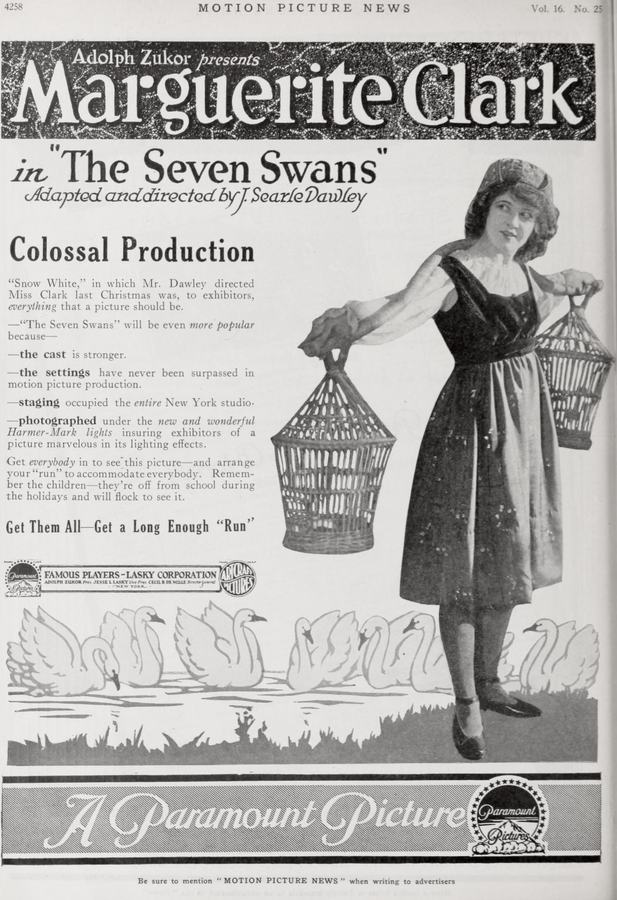
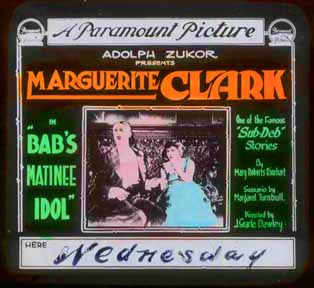
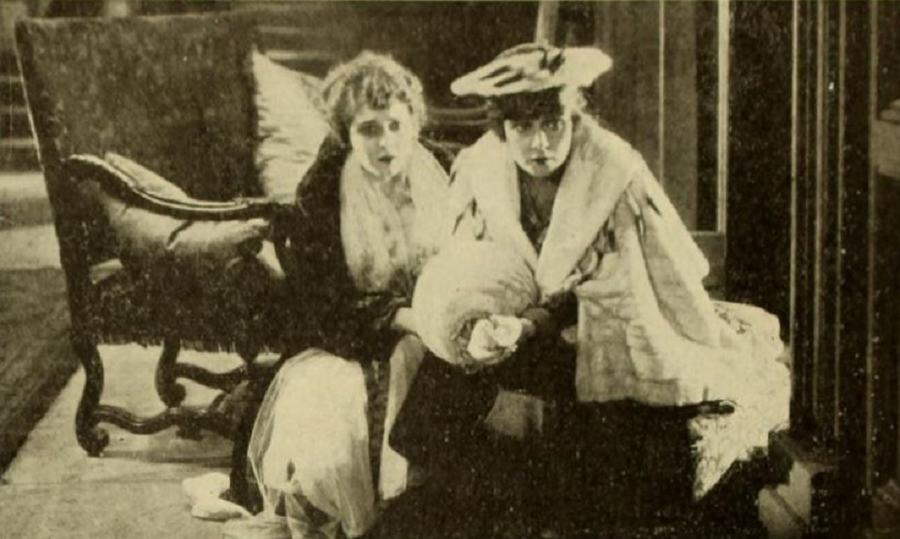
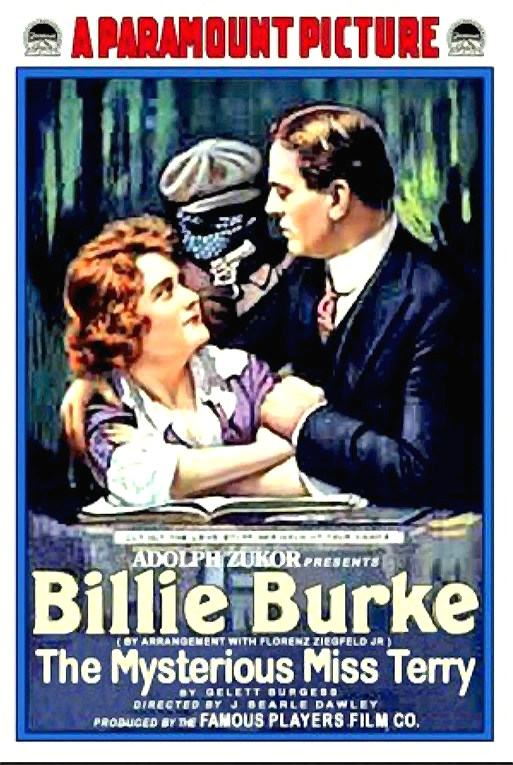
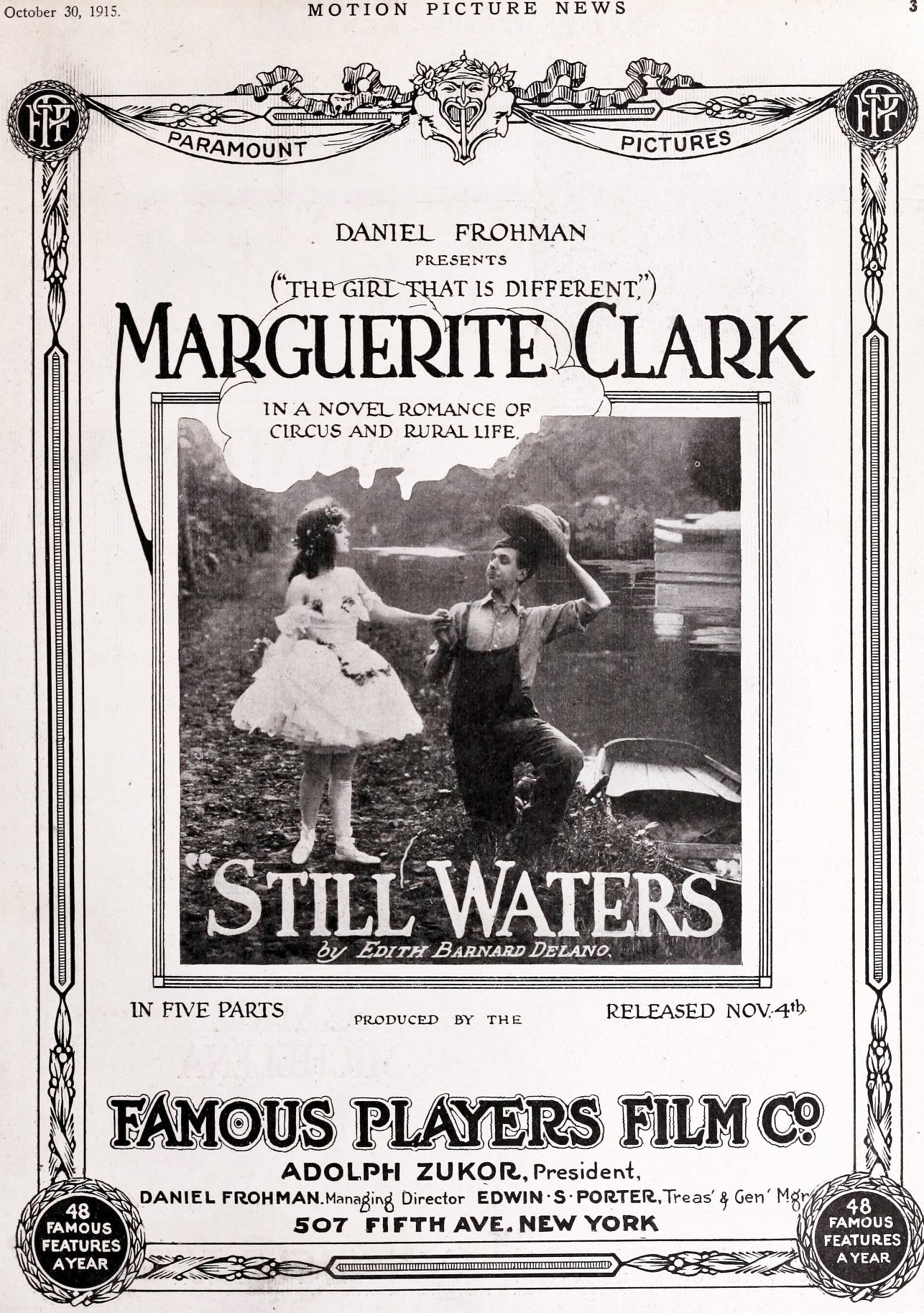
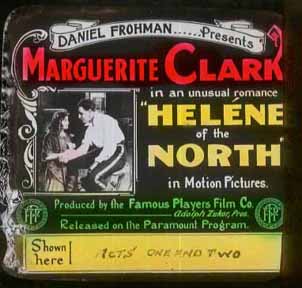
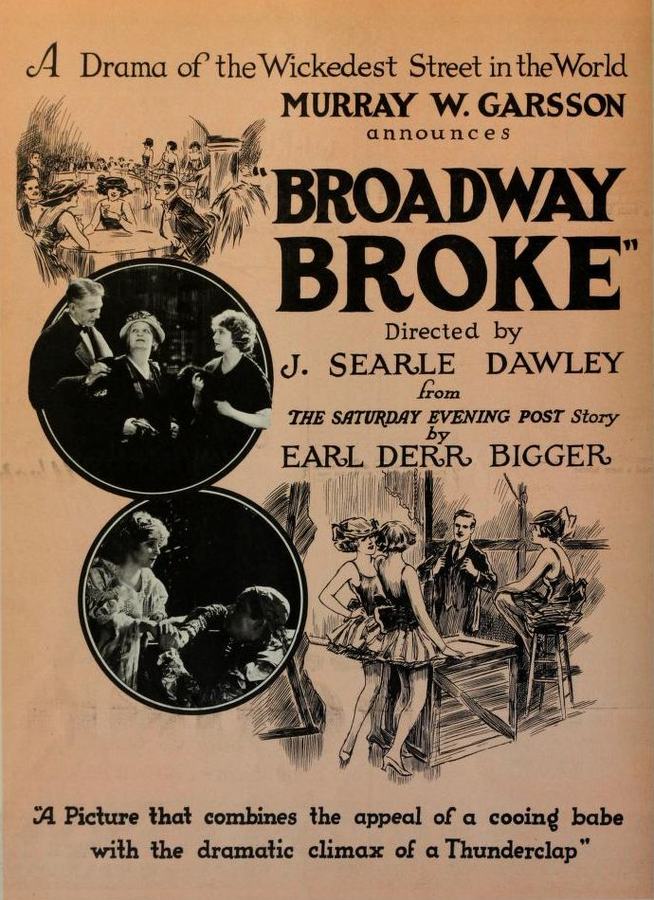
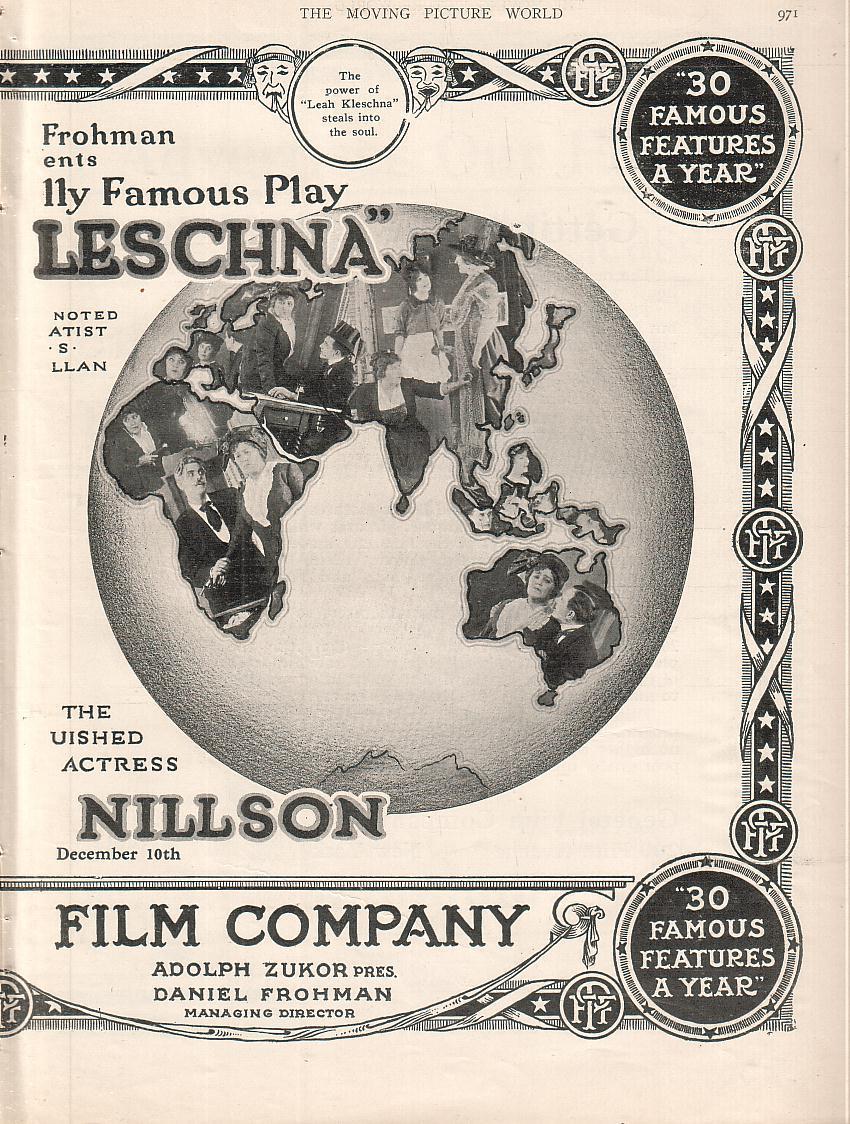
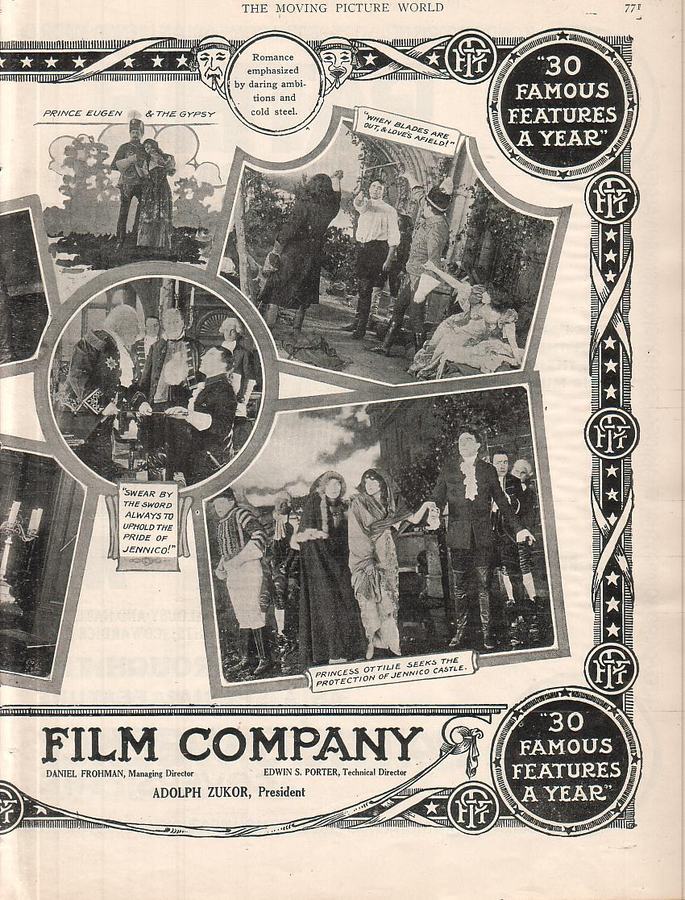
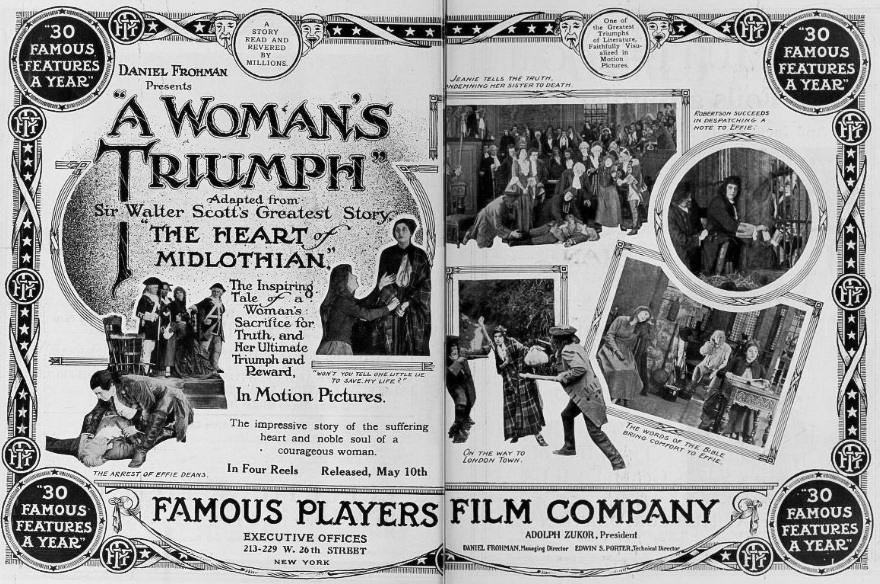
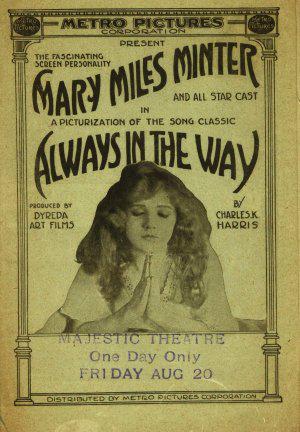
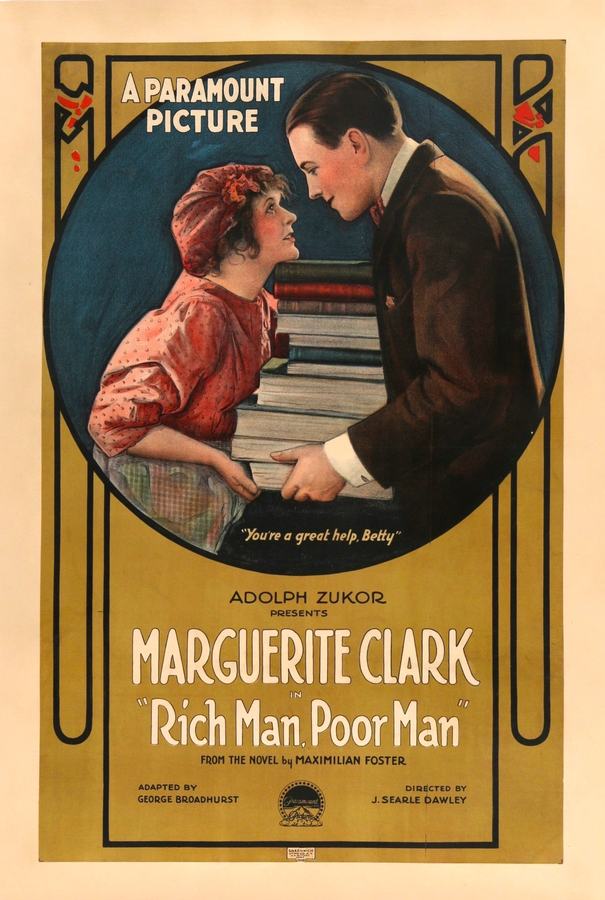
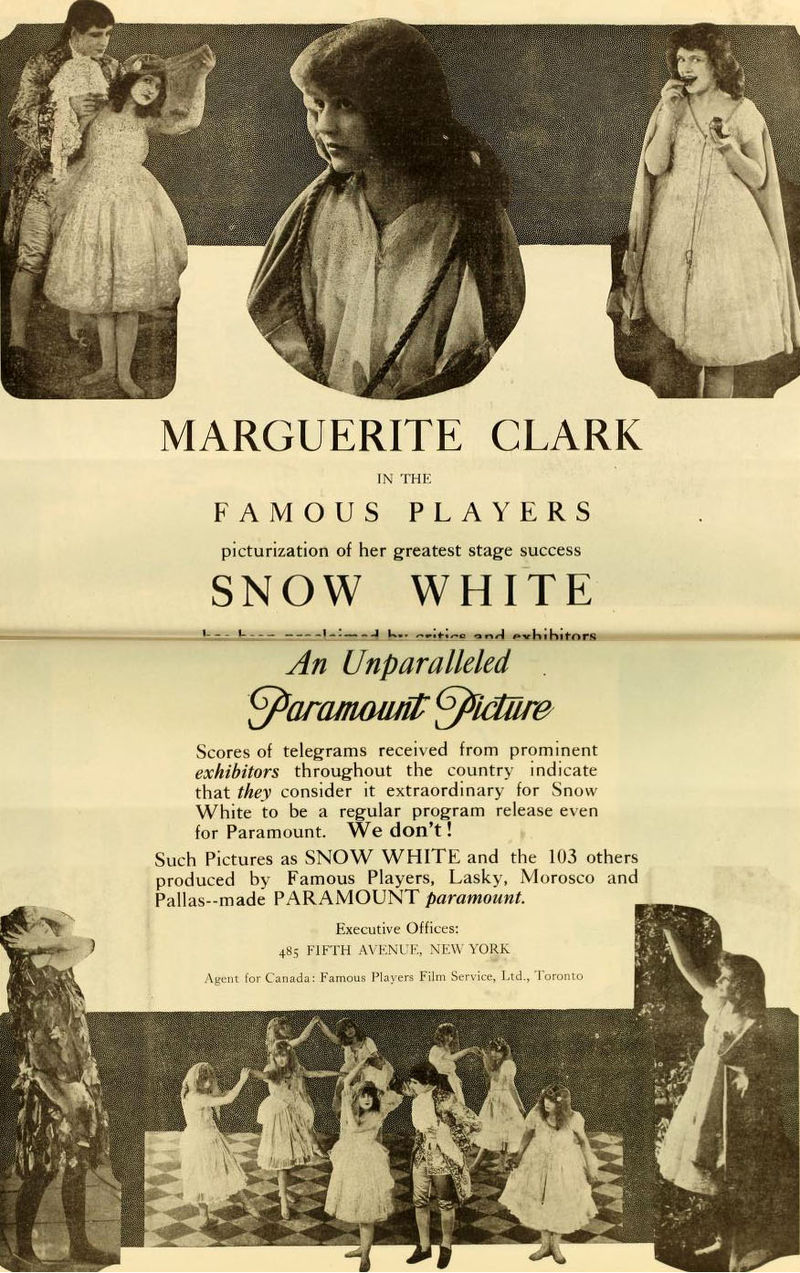
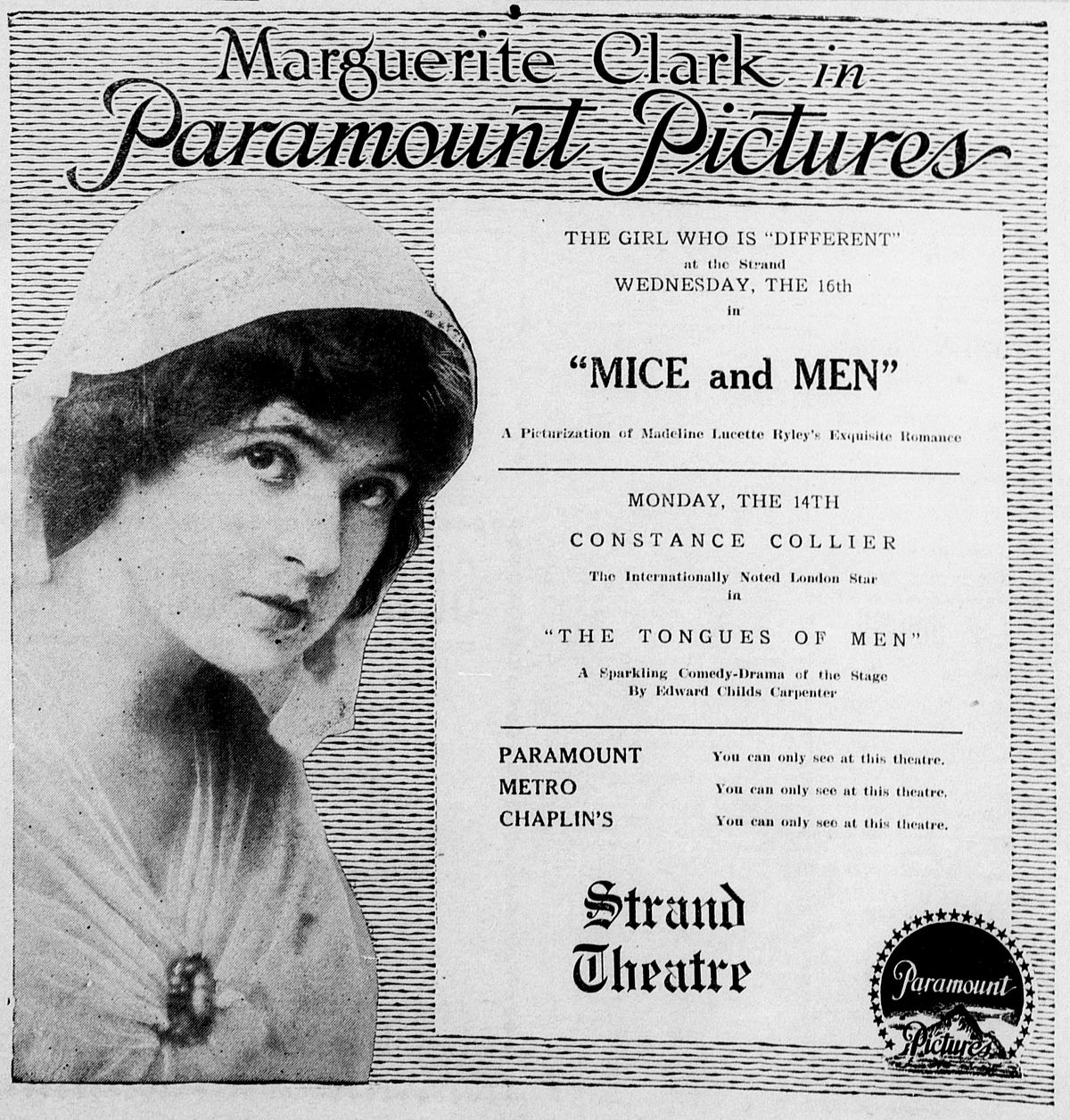
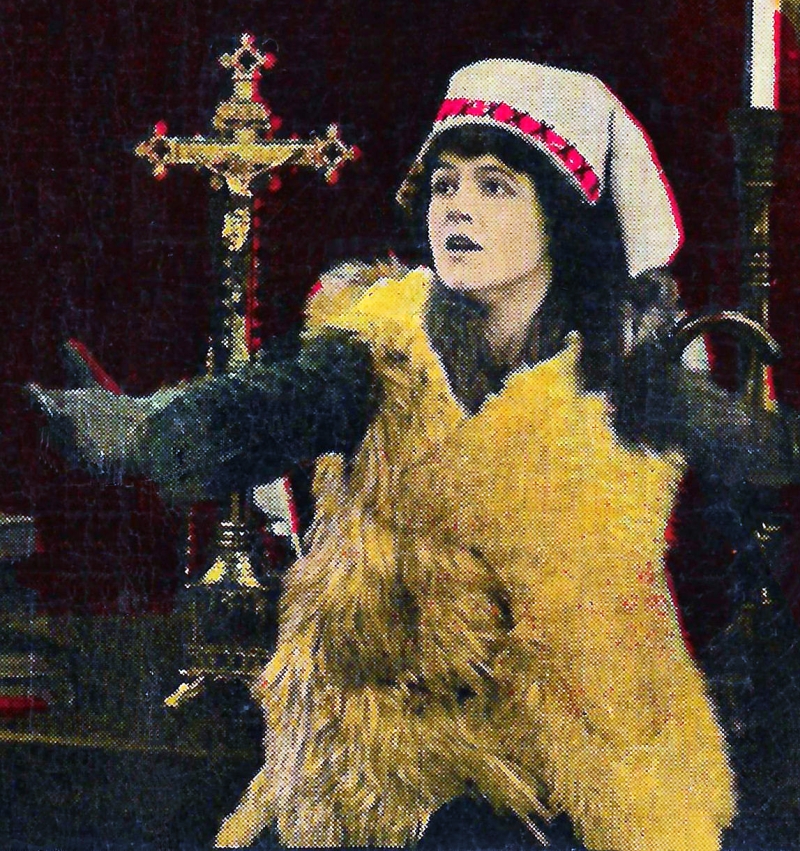
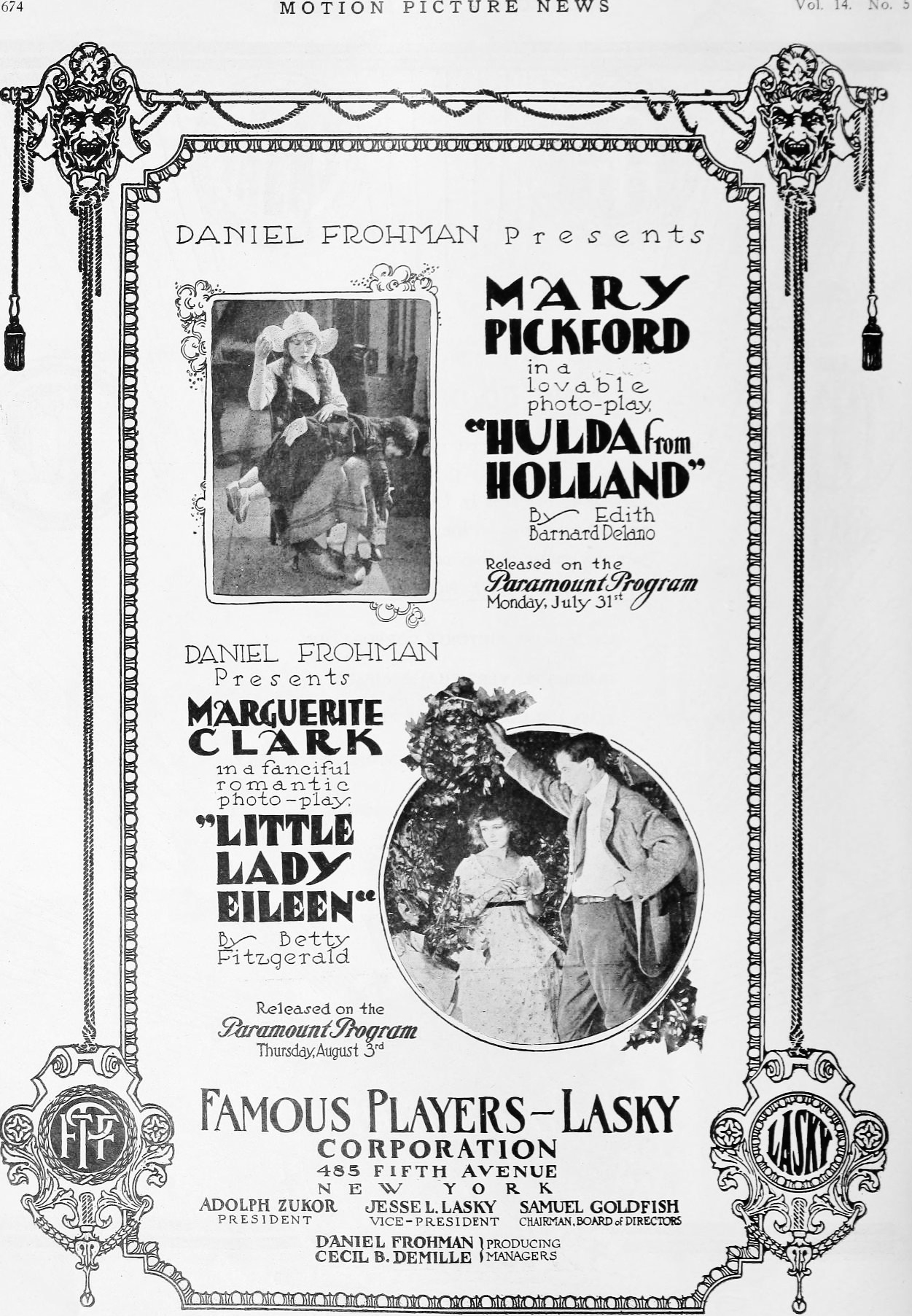
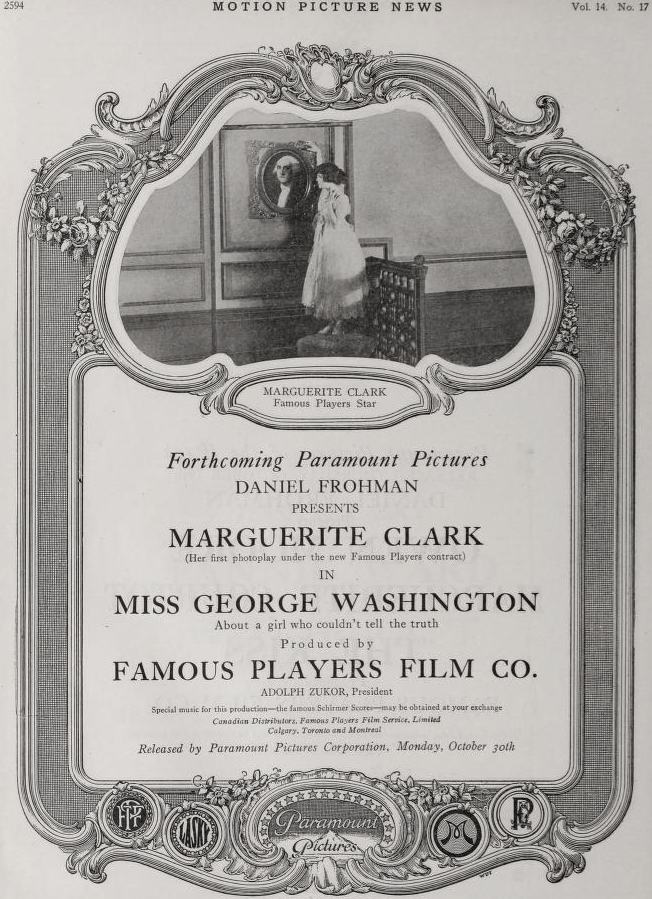
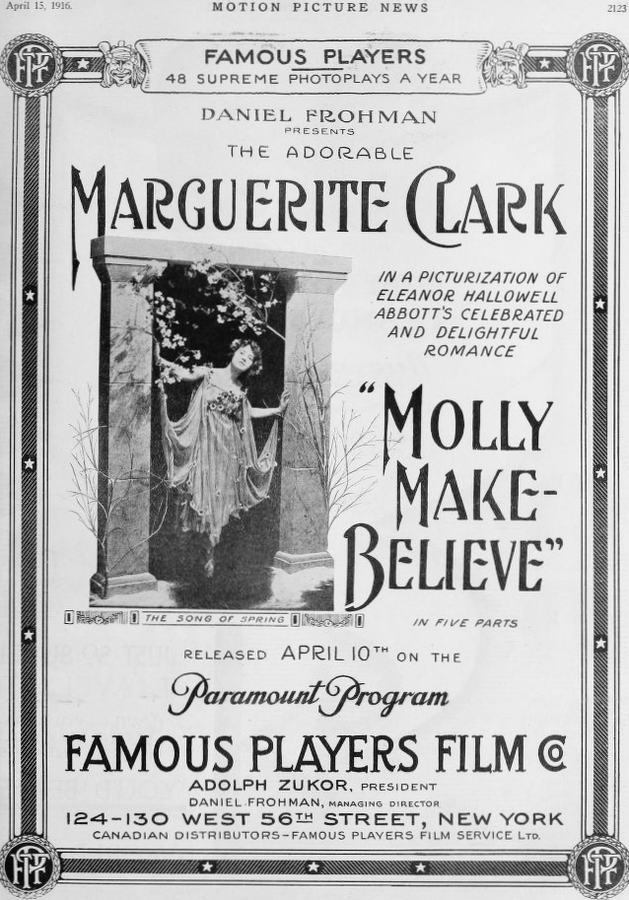
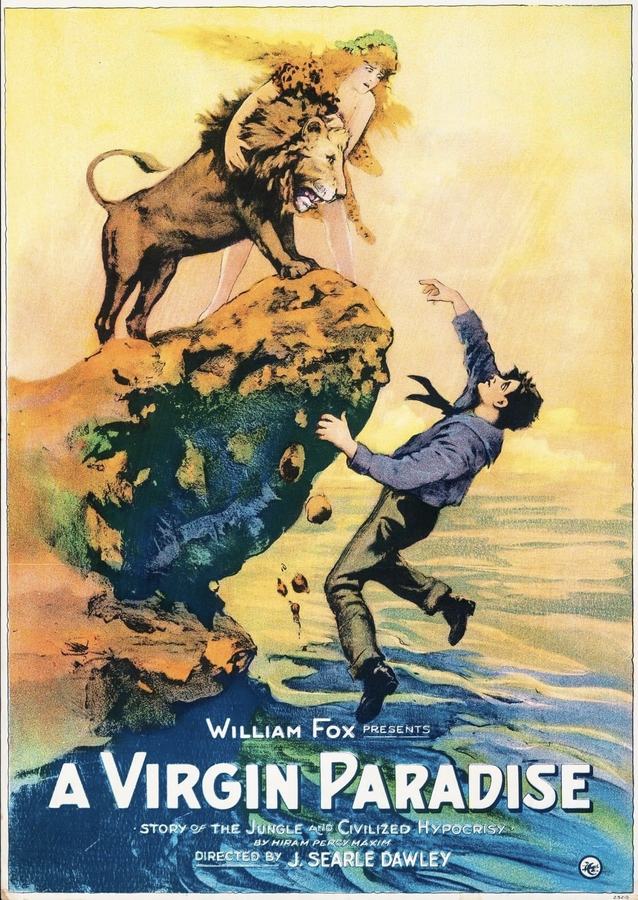
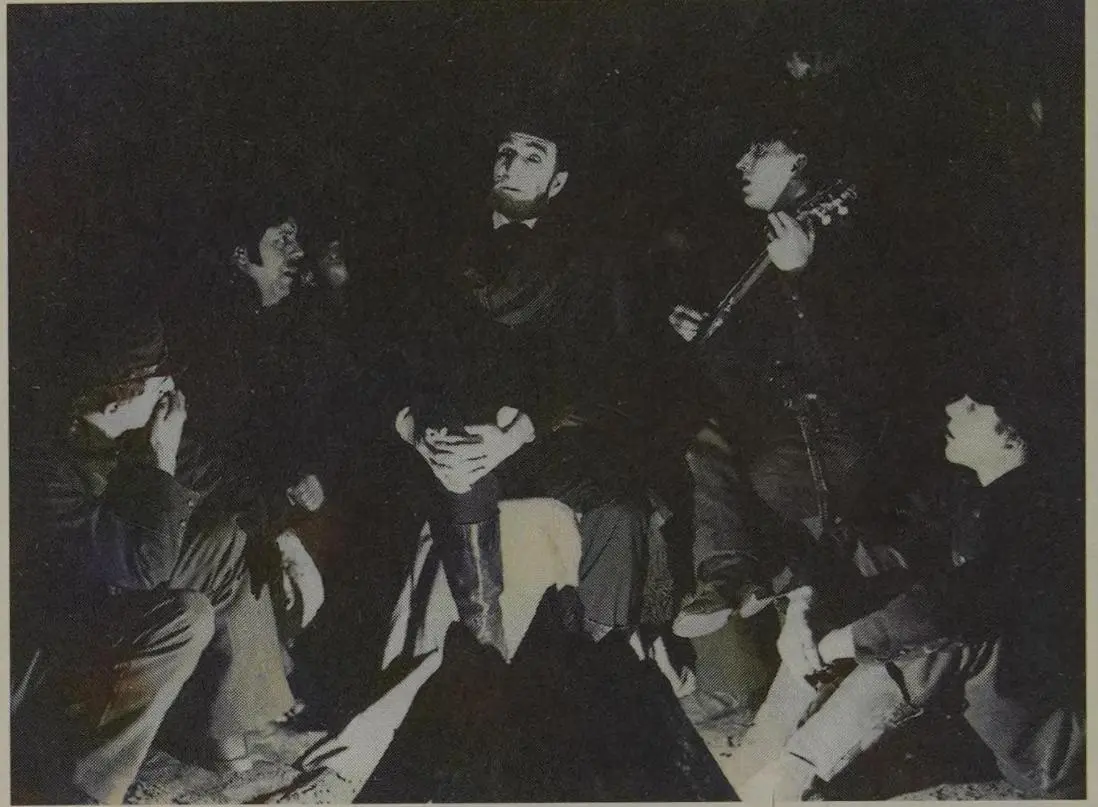
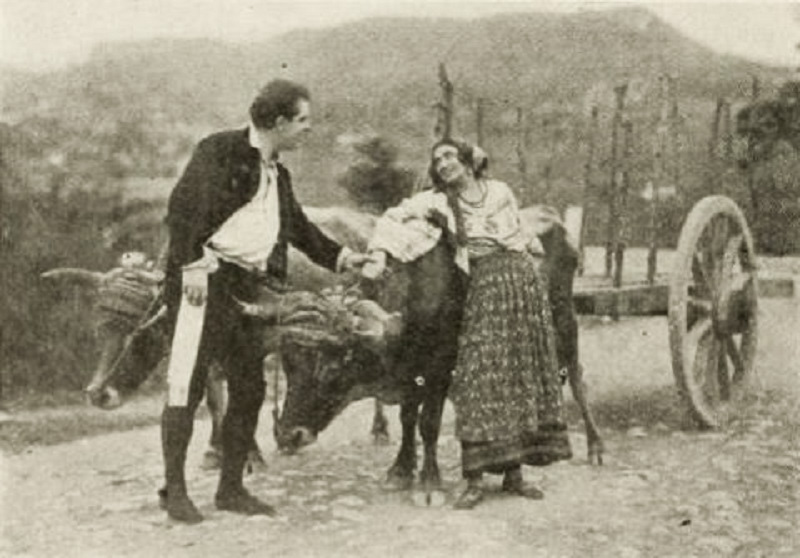
J. Searle Dawley, the man who boldly claimed the title of "the first motion picture director," was born James Searle Dawley on May 13, 1877, in the small Colorado town of Del Norte. Educated in Denver, he joined Louis Morrison’s stock theater company in 1895 after graduating high school, but a canceled tour sent him back home. Reconnecting with Morrison in 1897, he spent three years refining his craft as an actor and stage manager before venturing into vaudeville as a performer and writer. By 1902, he was part of the Spooner Stock Company, balancing acting, direction, and scriptwriting. In 1907, Edwin S. Porter of Edison Company enlisted him for *The Nine Lives of a Cat*, a role that cemented his status as the first U.S. professional film director. Dawley distinguished himself by shifting control from the cinematographer to the director, overseeing performances and narrative flow—a revolutionary step for early cinema. His collaboration with D.W. Griffith began in 1908 with *Rescued from an Eagle’s Nest*, where the young actor portrayed a woodsman outwitting a taxidermied raptor with articulated wings—a surprisingly effective spectacle for nickelodeon crowds. By 1910, Dawley had relocated to California to establish Edison’s West Coast operations, photographing Canadian landscapes en route. Settling in Long Beach, he founded Balboa Studio, a sprawling complex named after Spanish explorer Vasco Núñez de Balboa. Employing talents like Henry King and William Desmond Taylor, the studio expanded to 20 buildings and 11 acres of outdoor space. Dawley’s filmography for Edison included over 200 one-reelers, among them the first adaptations of *Frankenstein* (1910) and *The Charge of the Light Brigade* (1912). When Porter joined Adolph Zukor’s Famous Players in 1912, Dawley followed, directing 14 films including *Tess of the D’Urbervilles* (1913). He later launched his own label, Dyreda, which was swiftly absorbed by Metro Pictures. His 1915 Metro release *Always in the Way*, starring Mary Miles Minter, would later entangle in the William Desmond Taylor scandal. Returning to Paramount (then Famous Players-Lasky), he helmed the first live-action *Snow White* (1916), starring Marguerite Clark—a film Walt Disney later credited as a formative influence. He also directed *Uncle Tom’s Cabin* (1918) before leaving Paramount in 1918 to marry. After freelancing, he joined Fox Films in 1921, concluding his directing career with *Broadway Broke* (1923) and two sound shorts for Lee De Forest in 1923–24. Post-retirement, Dawley dabbled in radio but left his lasting mark through the Motion Picture Directors Association (MPDA), which he helped found in 1915. Convening with seven peers in a secret mountain resort meeting, they sought to combat studio exploitation and the sexual coercion of actresses, while fostering director solidarity. The MPDA, modeled after Masonic traditions and adorned with a rising sun emblem, became a lobbying force against censorship and a wartime propaganda tool. William Desmond Taylor’s leadership—until his 1922 murder, which drew 10,000 mourners—marked the group’s peak. His successor, David Hartford, and later figures like John Ford, navigated challenges from self-censorship campaigns and anti-industry sentiment. As Louis B. Mayer’s Academy of Motion Picture Arts & Sciences eclipsed the MPDA’s influence, the group dissolved by 1931, paving the way for the 1936 Screen Directors Guild. Dawley, who died in 1924, remains a paradox: a forgotten pioneer whose innovations in direction and advocacy for creative integrity reshaped Hollywood’s power structure. His legacy lives in the directors’ unions he helped ignite, and in the enduring shift he catalyzed—from camera technicians to the artists behind the lens.
Filmography
Directed (44)