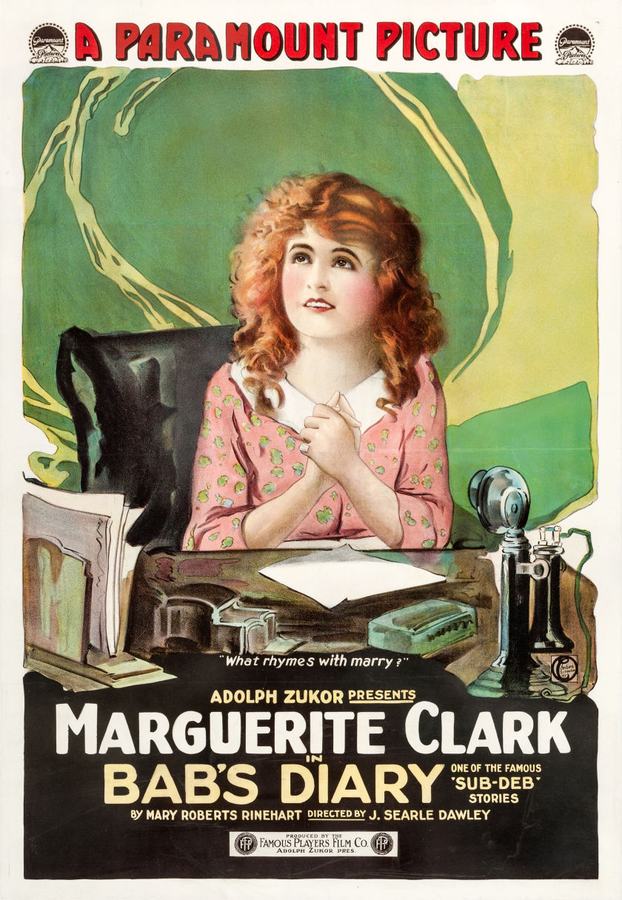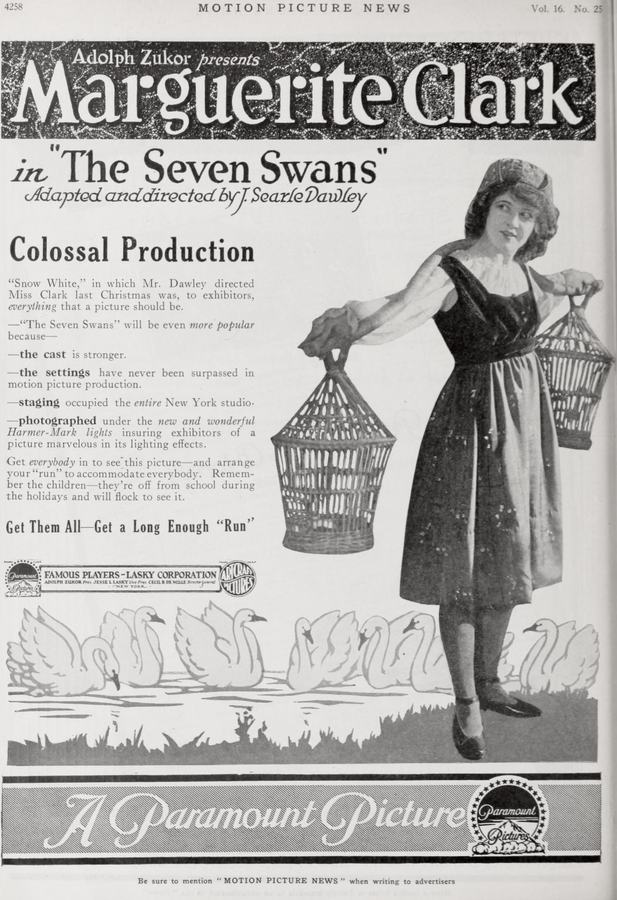
Once upon a time there was a beautiful little Princess, Tweedledee, who lived with her father and seven brothers in 'The Kingdom of the Seven Dials'. The Wicked Queen, the Witch of the Bouncing Ball, turns Tweedledee's brothers into seven swans.
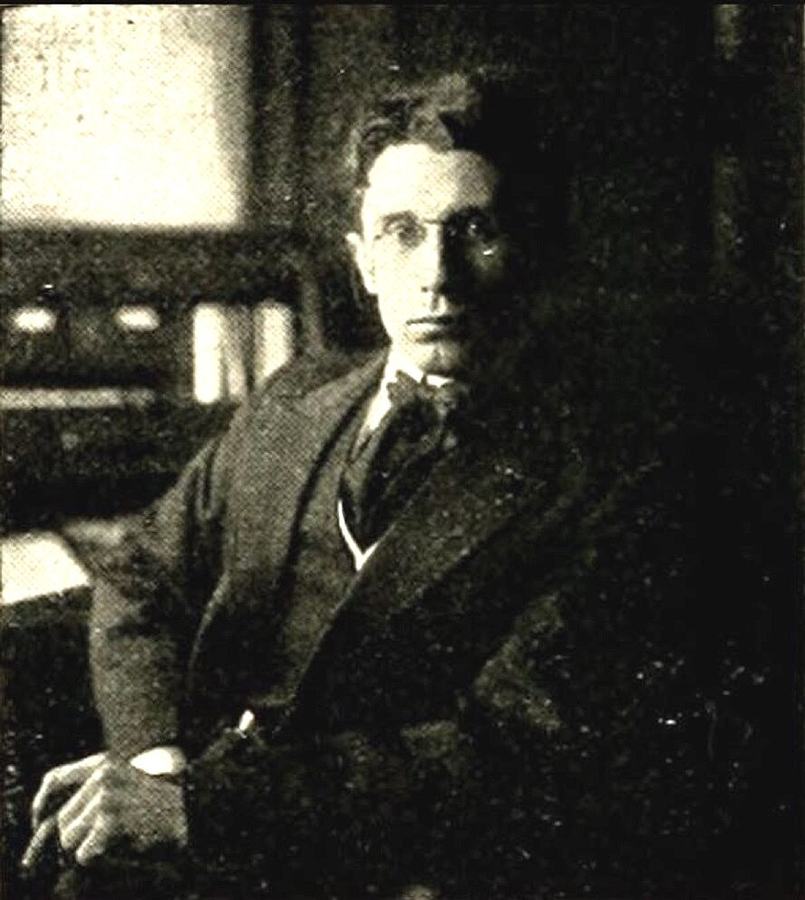
Hans Christian Andersen, J. Searle Dawley
United States
Imagine a kingdom mapped like the face of a pocket-watch—each numeral a tower, each tick a hostage. That is the vertiginous playground Dawley drags us into, a place where fairy-tale logic is soldered to Victorian clockwork. The camera, starved of speech, compensates with ophthalmic gusto: iris shots contract like sphi...
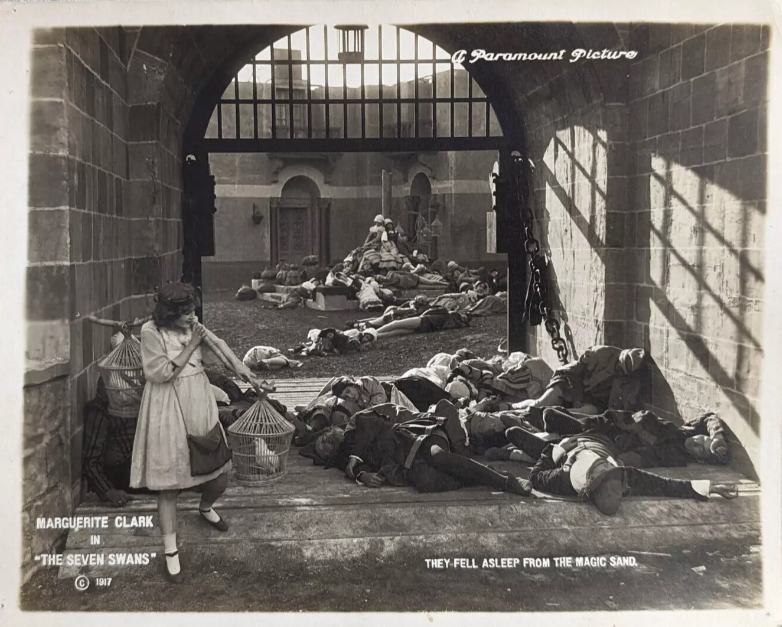
publicity
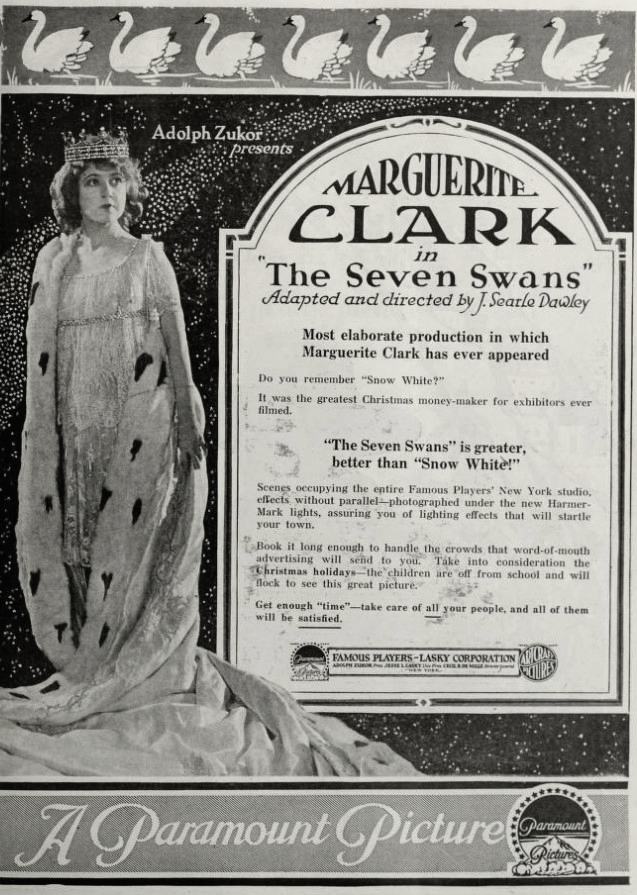
publicity
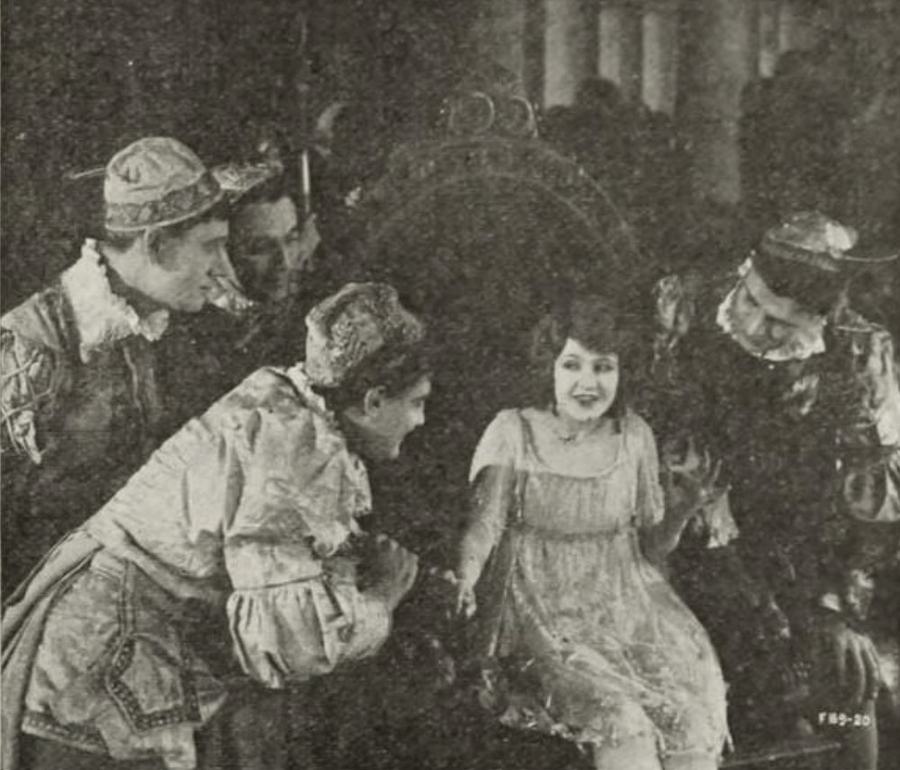
still_frame
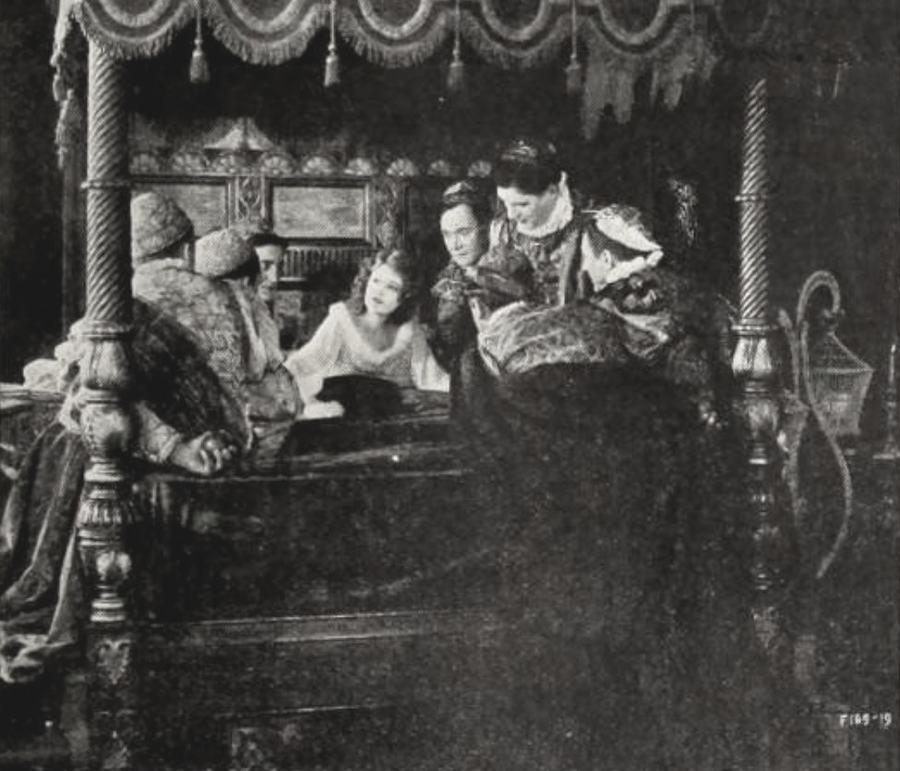
still_frame
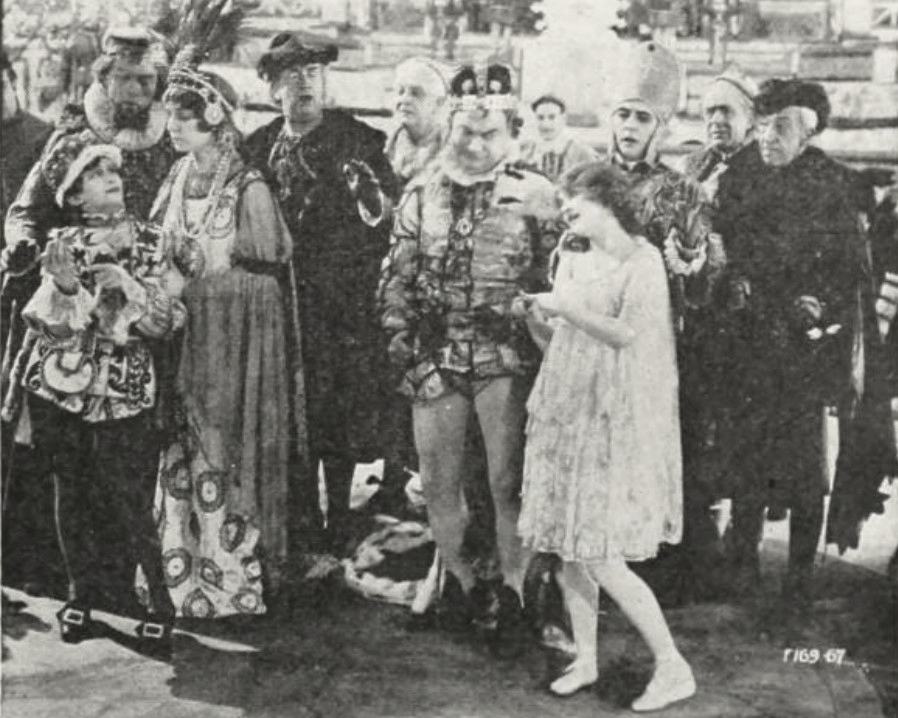
still_frame
Comparing the cinematic DNA and archive impact of two defining moments in cult history.
J. Searle Dawley
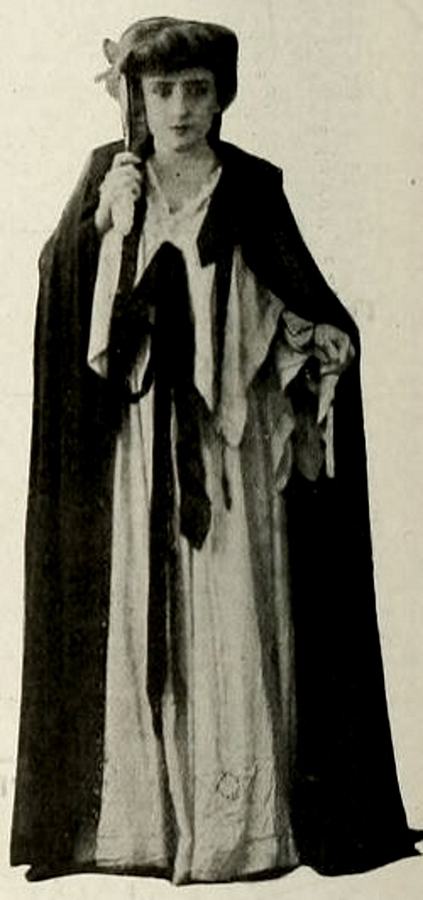
J. Searle Dawley
Community
Log in to comment.
" Imagine a kingdom mapped like the face of a pocket-watch—each numeral a tower, each tick a hostage. That is the vertiginous playground Dawley drags us into, a place where fairy-tale logic is soldered to Victorian clockwork. The camera, starved of speech, compensates with ophthalmic gusto: iris shots contract like sphincters of dread; double-exposures layer swan wings over brotherly silhouettes until the screen itself seems to moult. The film’s prologue, scarcely two minutes, glimmers with the ..."