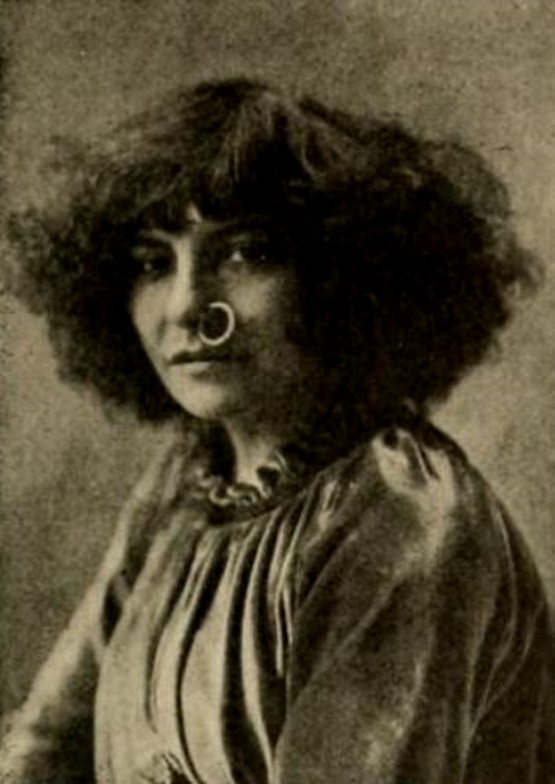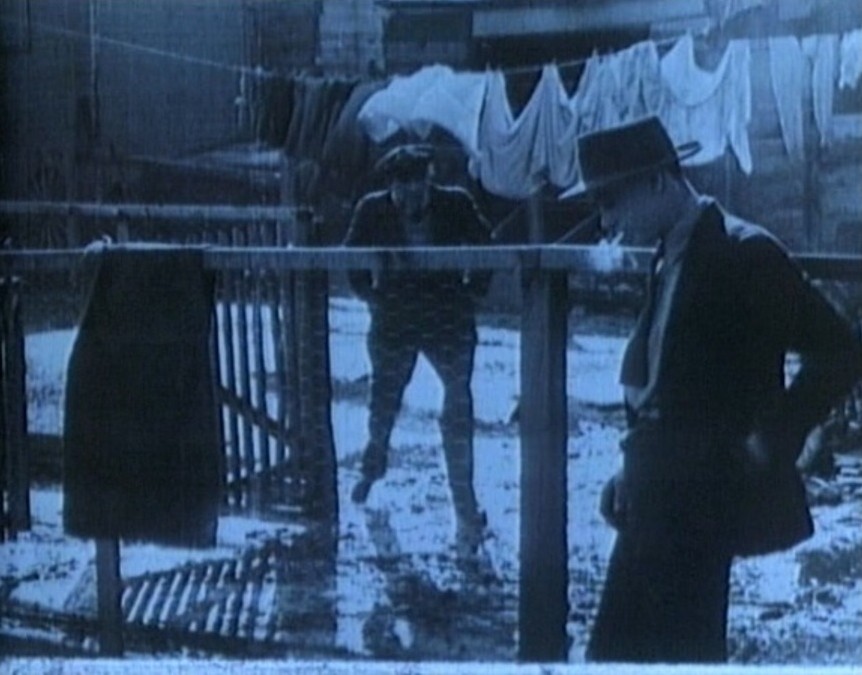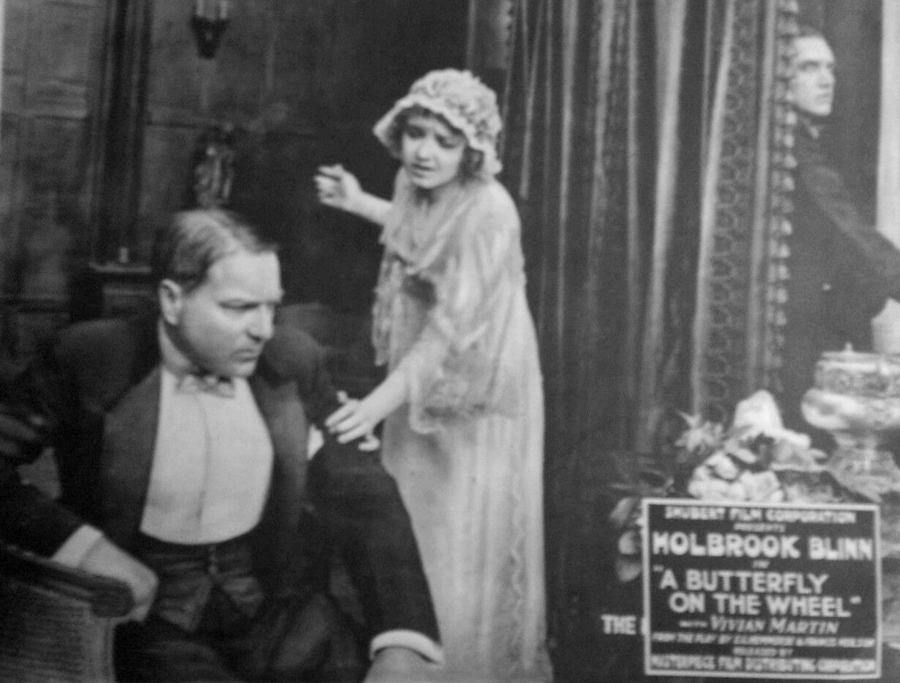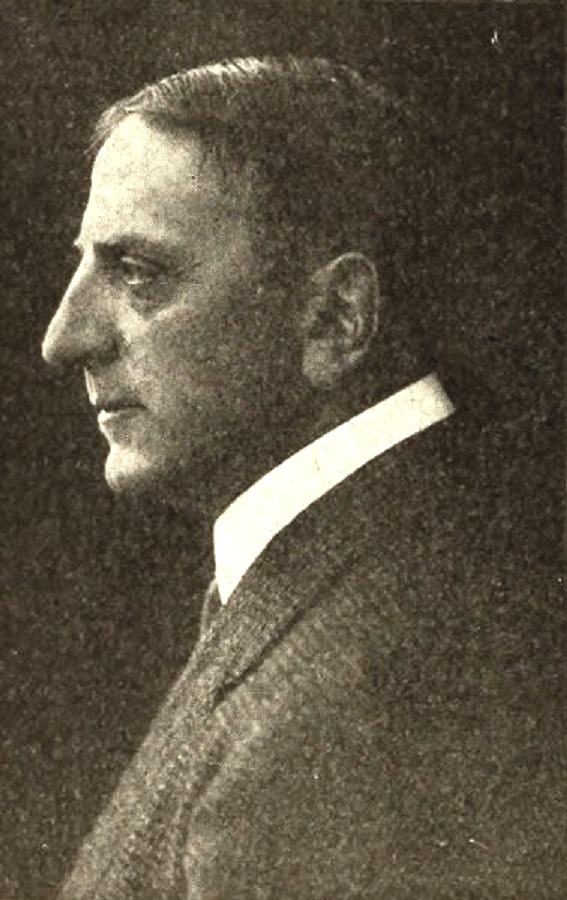
Maurice Tourneur
director, producer, writer
- Birth name:
- Maurice Félix Thomas
- Born:
- 1876-02-02, Paris, France
- Died:
- 1961-08-04, Paris, France
- Professions:
- director, producer, writer
Biography
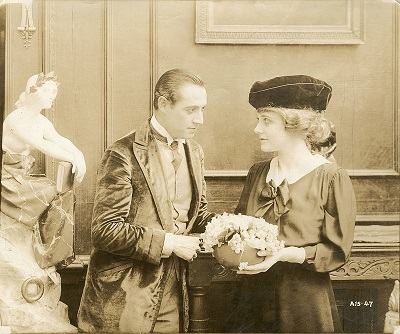
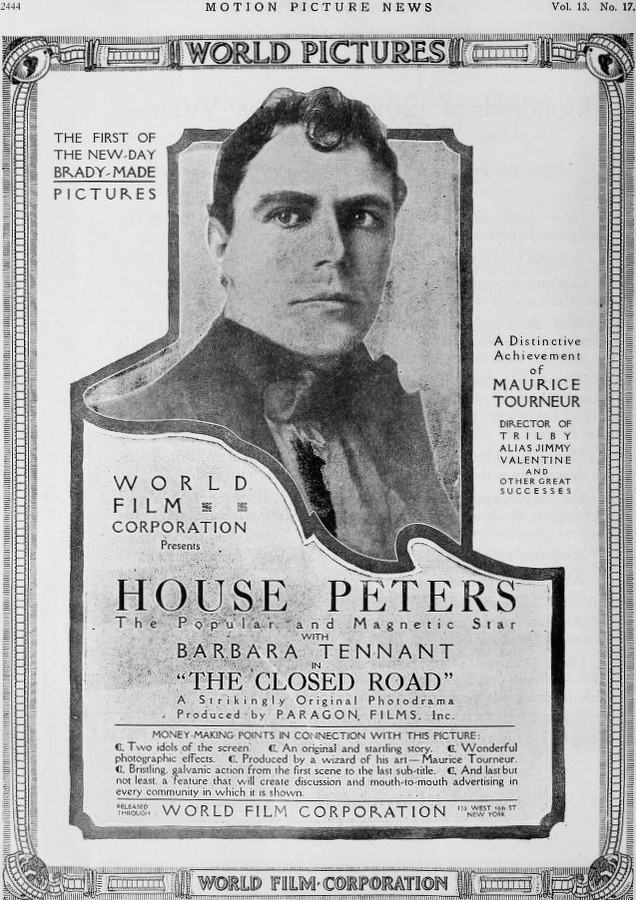
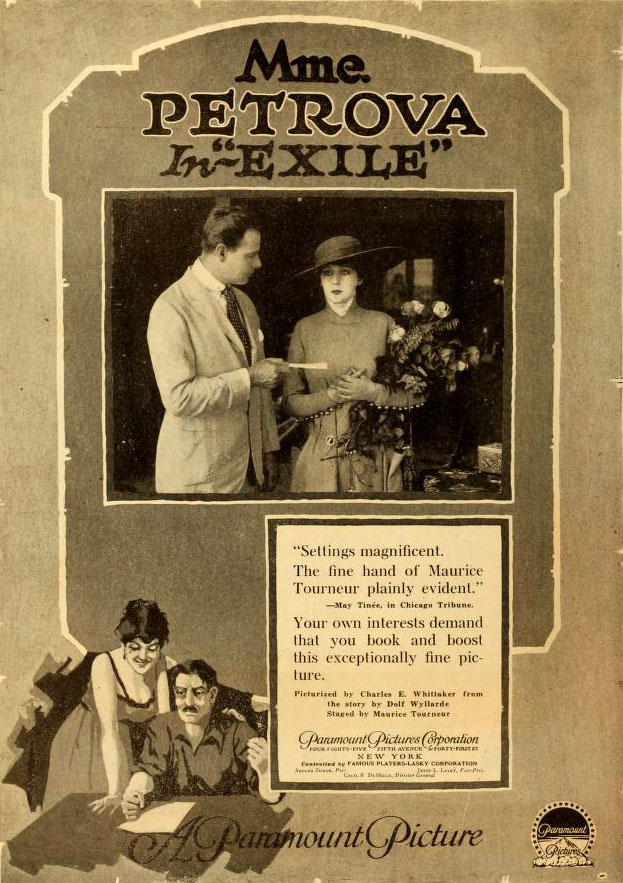
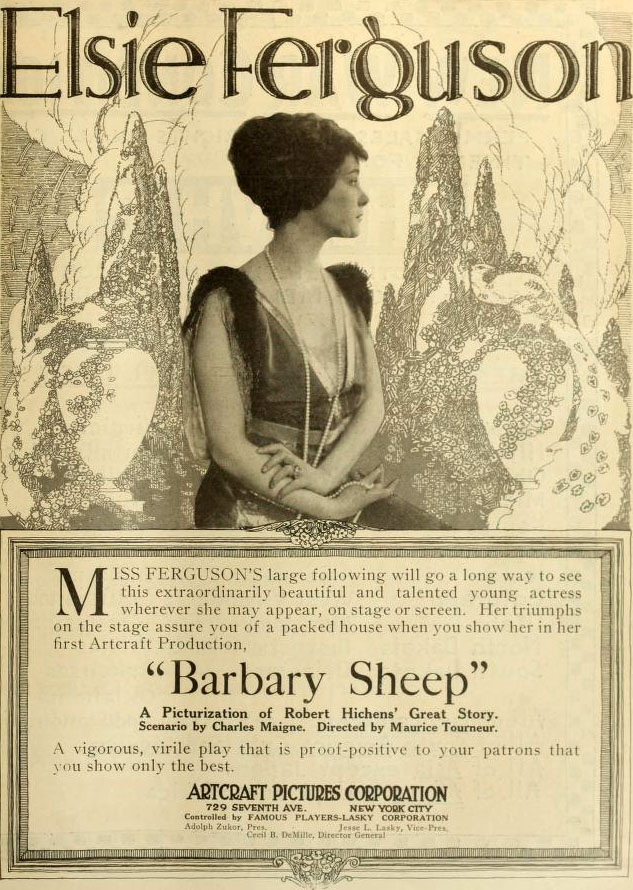
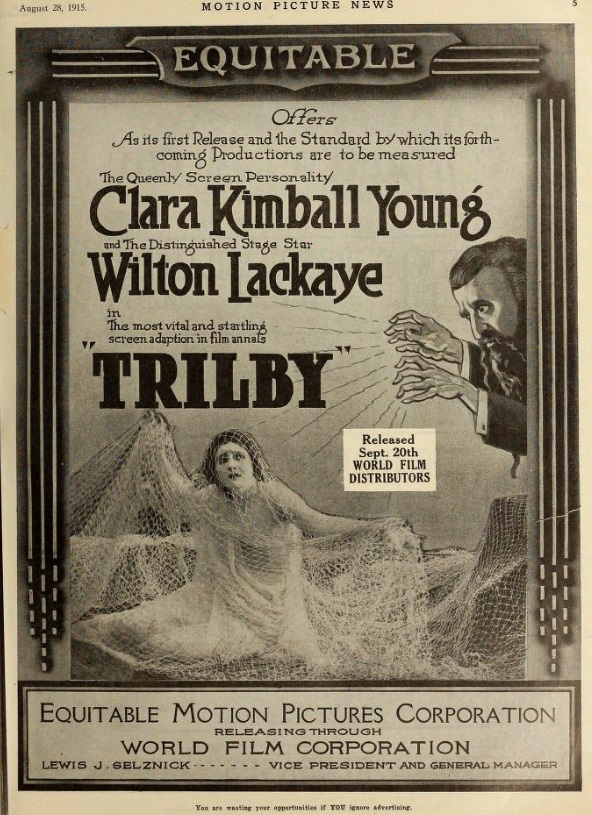
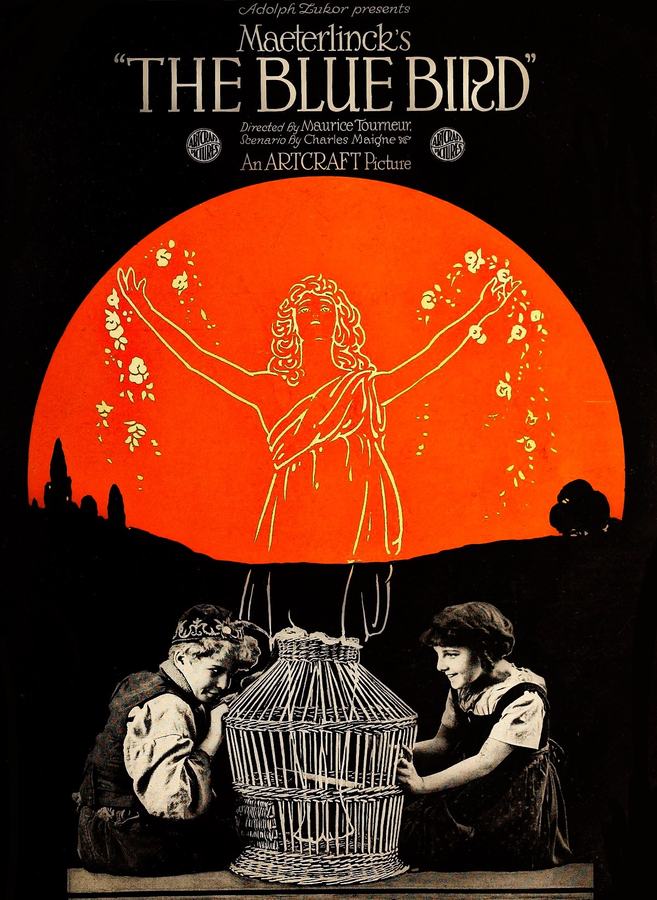
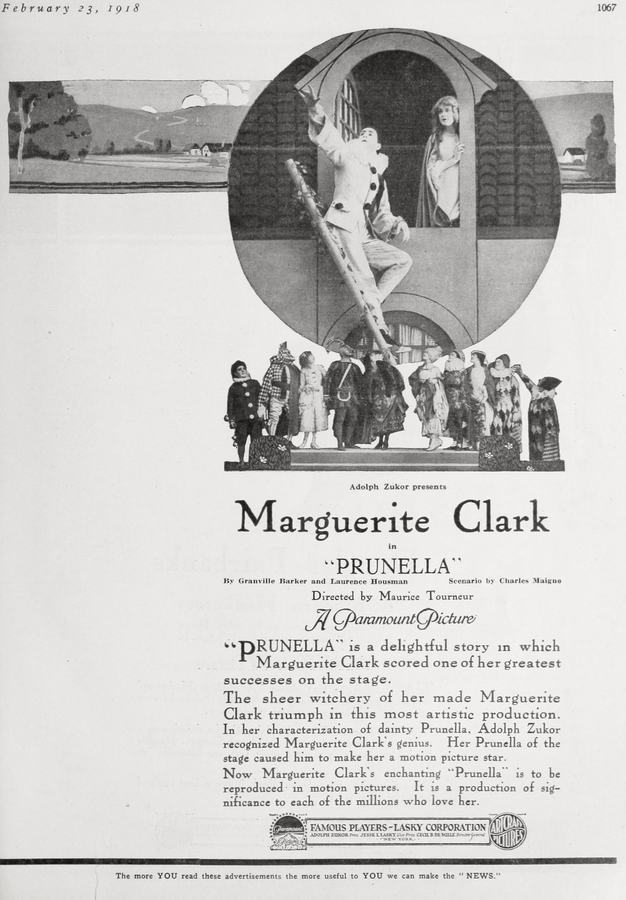
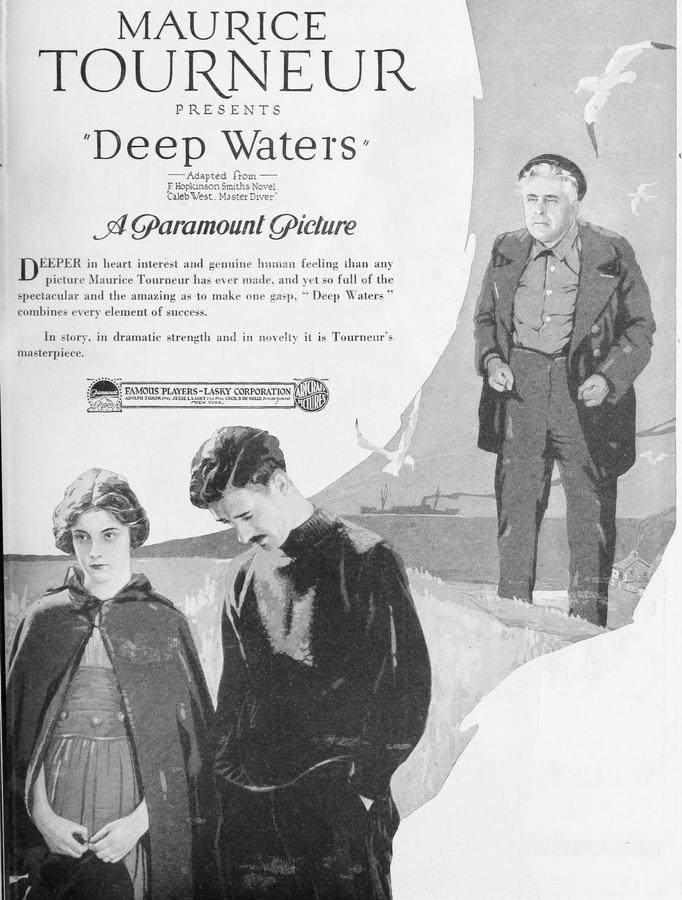
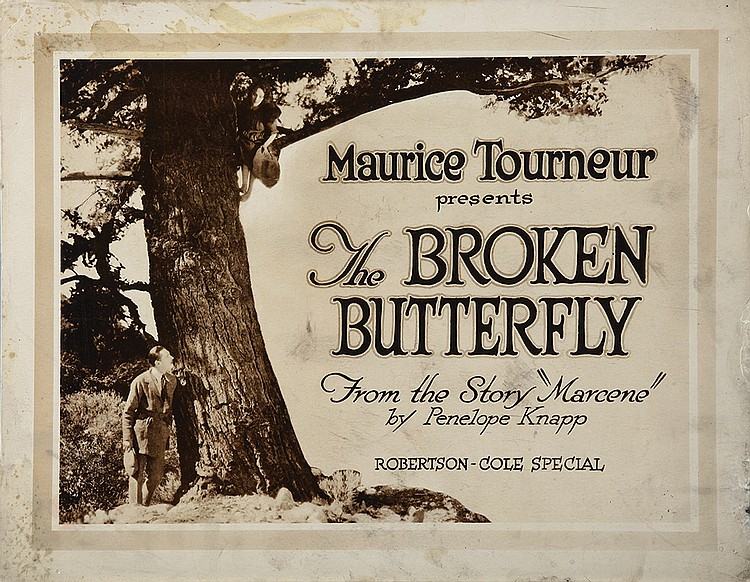
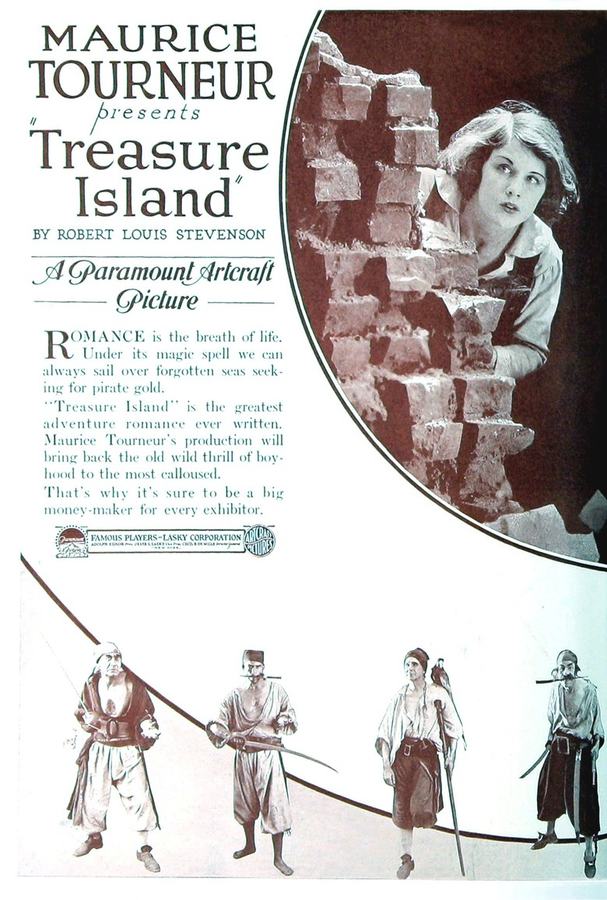
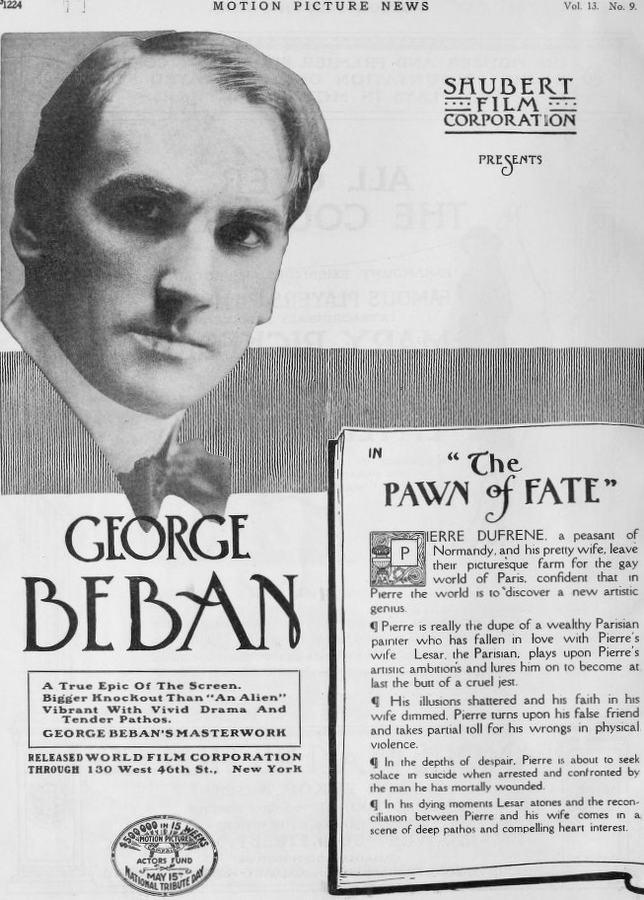
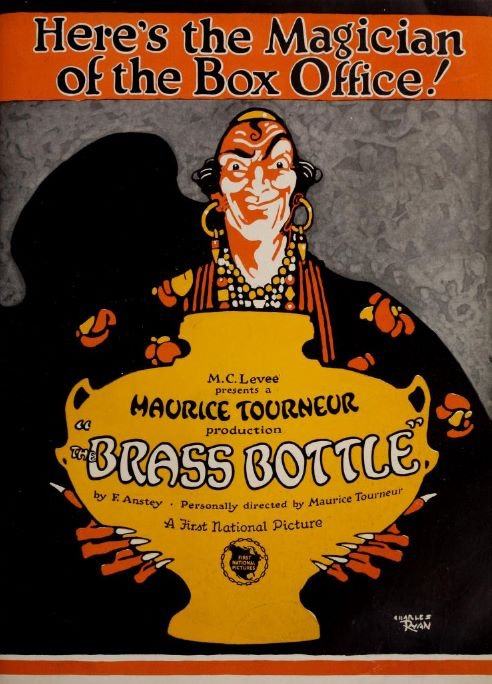
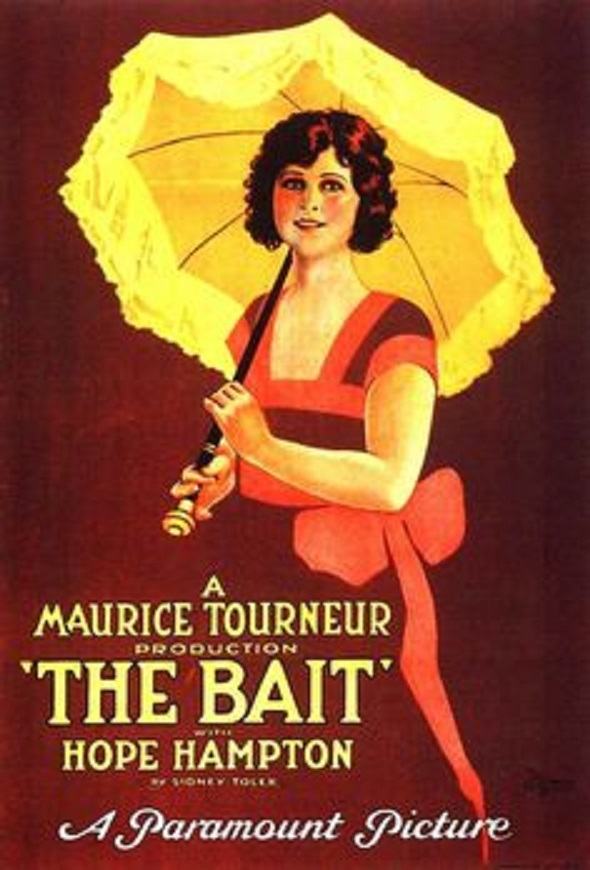
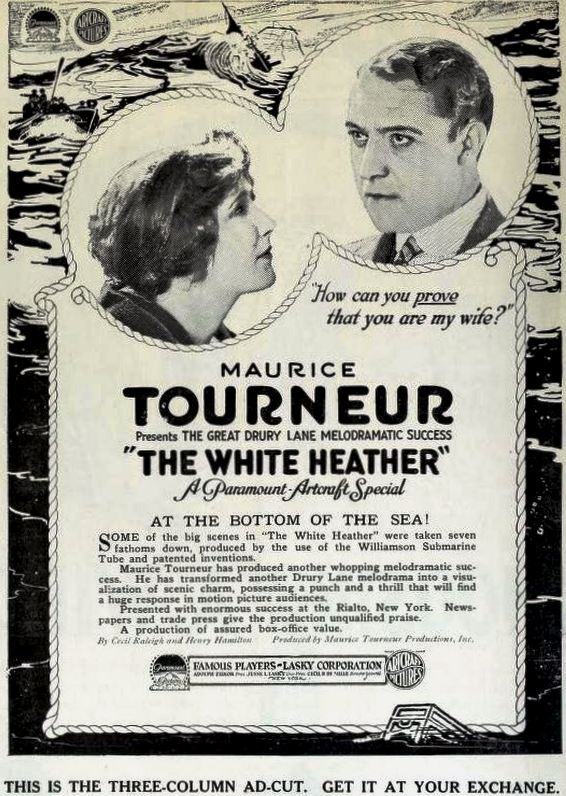
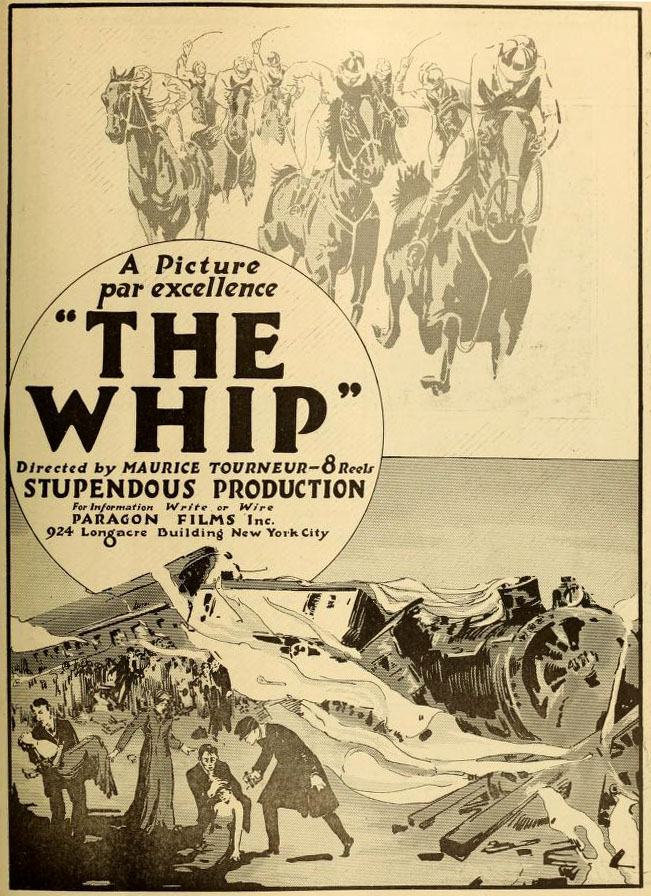
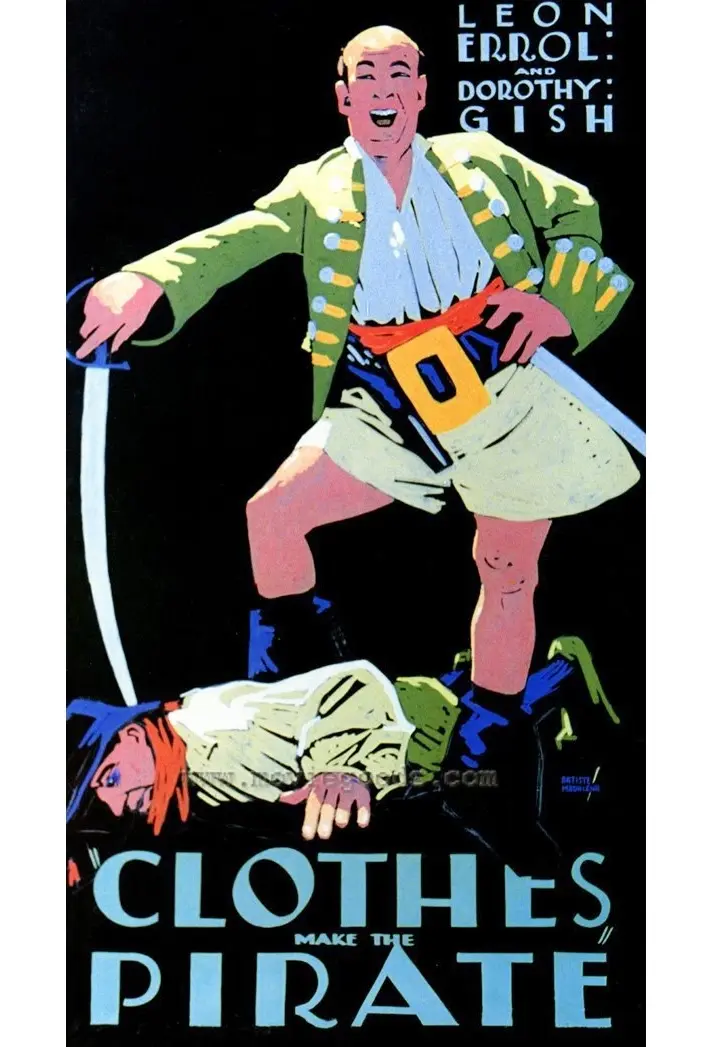
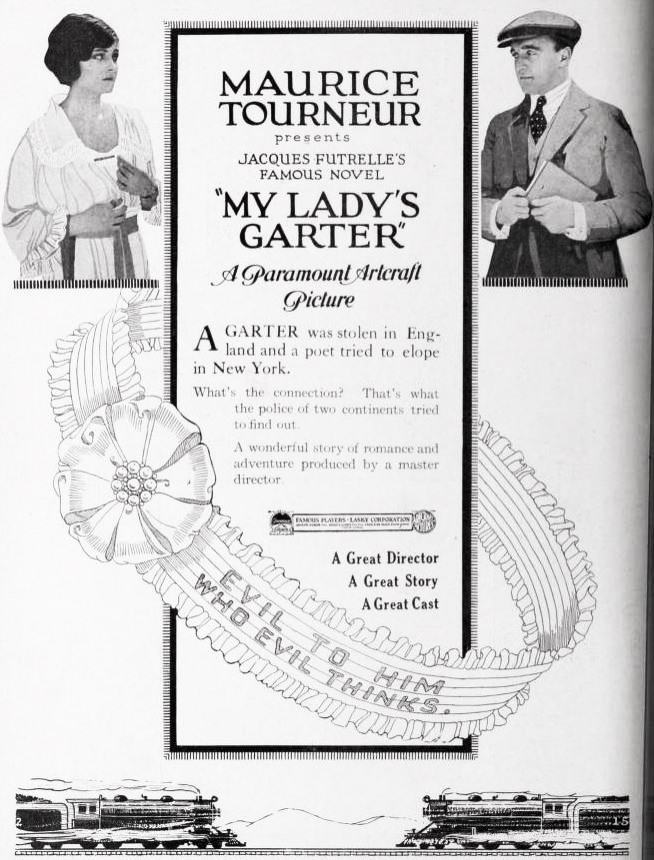
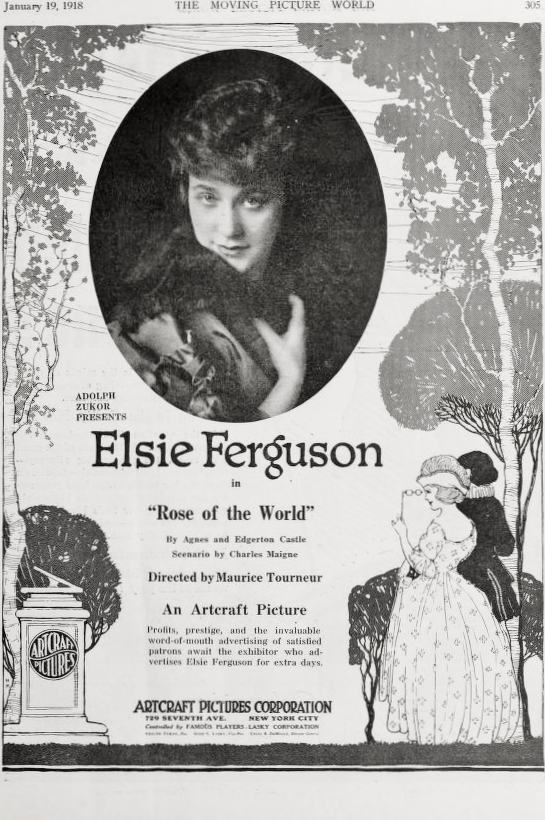
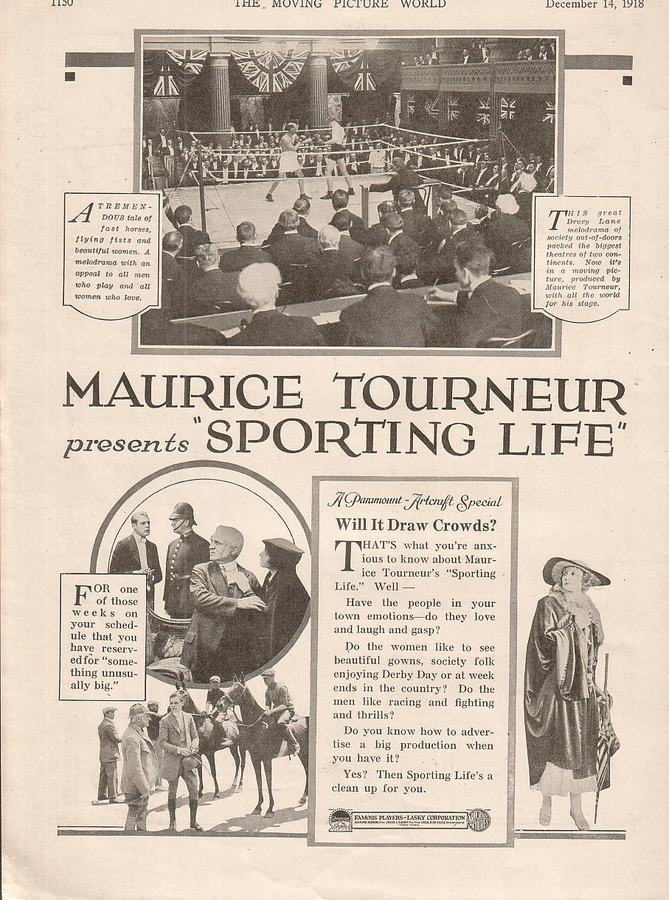
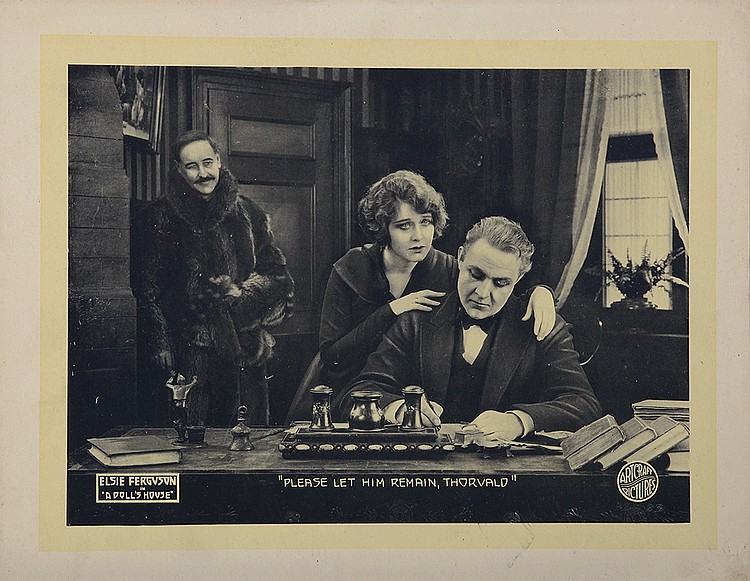
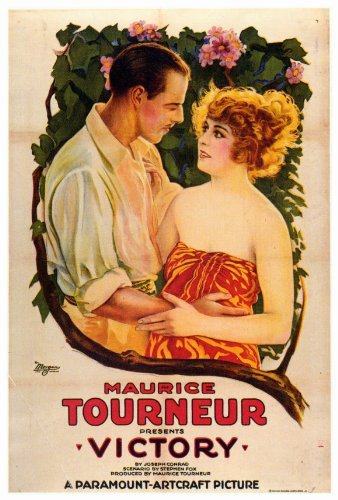
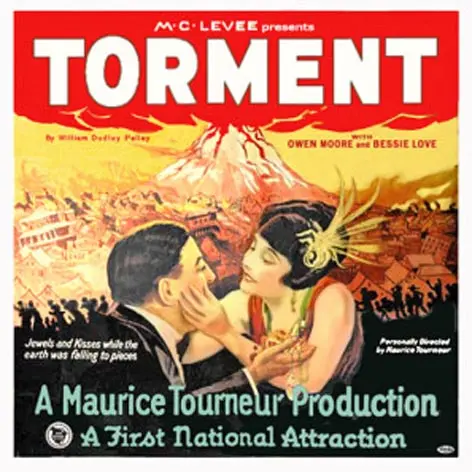
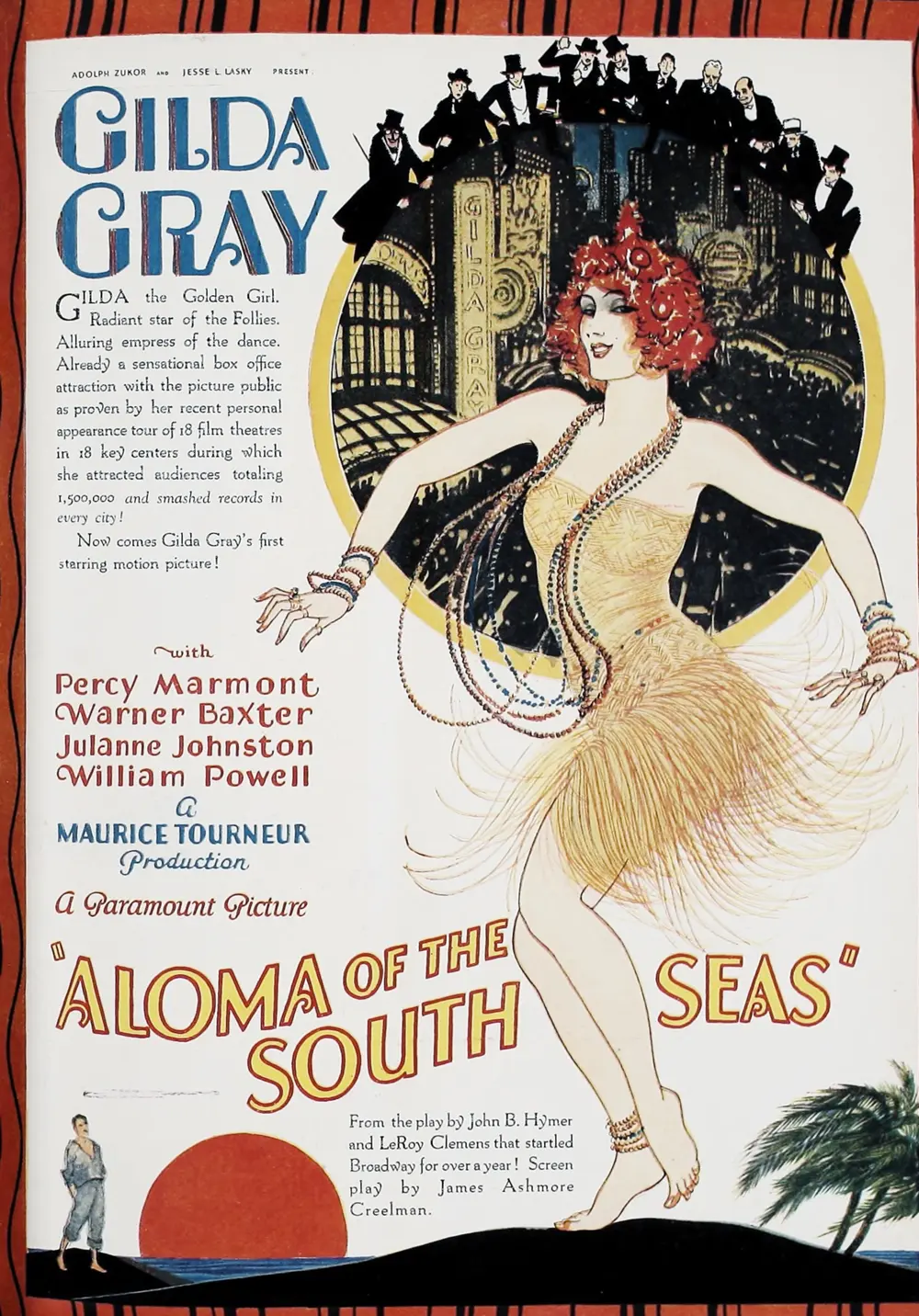
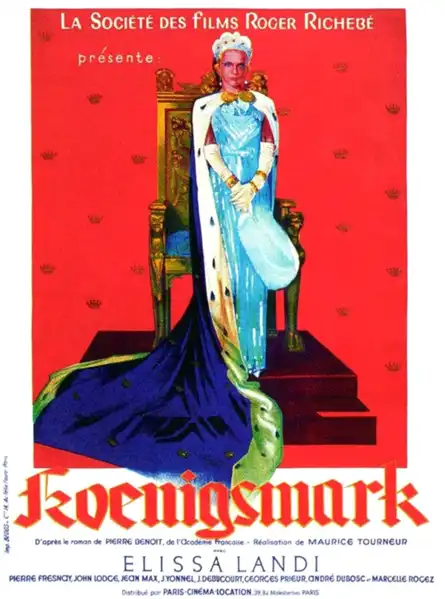
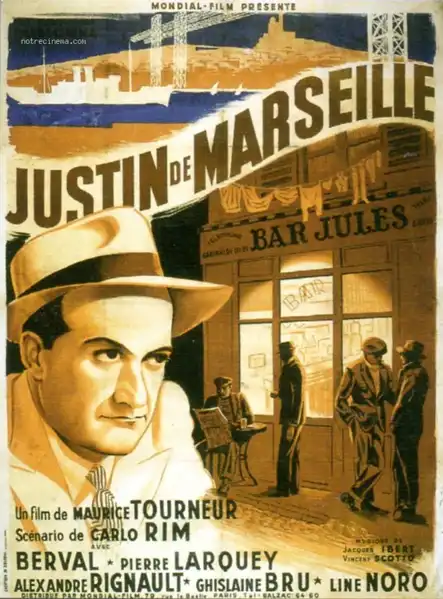
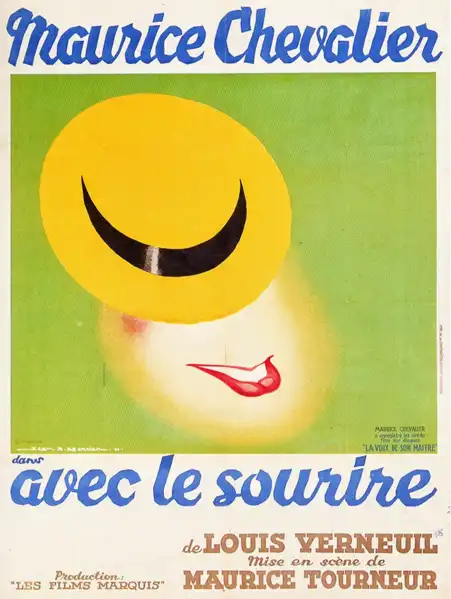
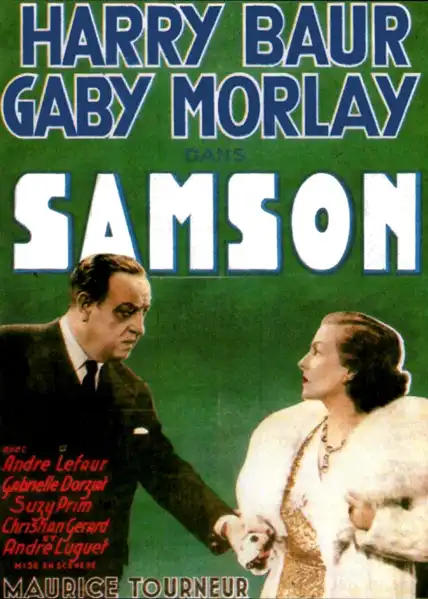
Belleville, 2 February 1873: a jewelry dealer’s son named Maurice Thomas arrives with ink-stained fingers already dreaming in pictures. Apprenticed to lay out posters and magazine pages, he swaps ink for gunpowder in an African artillery battery, then returns to Paris to model clay for Rodin and pigments for Puvis de Chavannes. The century turns; so does he—toward the footlights. At twenty-seven he buys a cheap balcony seat almost nightly, memorises whole plays, then steps onstage himself for ninety francs a month and a brand-new name: Maurice Tourneur. South America with Réjane, the Antoine company, marriage to Fernande Petit, birth of Jacques—every curtain call nudges him closer to the flickering new art that will soon eclipse every stageboard he treads. 1911: 400 productions behind him, he follows colleague Émile Chautard into Éclair’s glass-walled studio at Joinville. Within months he is directing orphans and street urchins through silent dreams of love and refuge. Because he once toured English music halls, Éclair dispatches him across the Atlantic after a St Patrick’s Day blaze razes their Fort Lee plant. New Jersey’s first “Hollywood” becomes his laboratory: glass roofs, chemical darkrooms, back-lot rivers, and the scent of nitrate in the morning. He masters tracking shots, double-printed ghosts, and the grammar of the close-up while World, Equitable, Peerless and Shubert shuffle their cards around him. Clara Kimball Young, Elsie Ferguson, Mary Pickford—he directs them all, but scolds the star system for shrinking life to a single face. Clarence Brown cuts, John van den Broek lights, Ben Carré sketches impossible rooms; together they turn out Alias Jimmy Valentine, The Poor Little Rich Girl, Victory, Treasure Island, The Last of the Mohicans—films whose rectangles and shadows will one day haunt Lang, von Sternberg, even Ozu. Critics cheer; accountants sometimes don’t. The Blue Bird and Prunella soar into stylised skies; audiences stay on the ground. Tourneur rails at “machine-made” stories, then bows, pockets the loss, and adapts another classic. 1923: he predicts producers will smother the art; 1926: he walks away from The Mysterious Island rather than kneel to MGM’s ledger men. Back in Europe he shoots in Berlin, courts Marlene Dietrich, divorces Fernande, marries Louise Lagrange, and watches the talkies turn every certainty into a question mark. War returns. Paris under swastika flags, racial laws, paper shortages. Continental Films offers him reels clipped from the ends of newsreels; he turns them into La Main du diable, a horror fable about a hand that outlives every owner—collaboration by any other name. Jacques assists, learning the craft he will later carry to Cat People and Out of the Past. Liberation, a car crash, 1949: one leg gone, the camera finally lowered. Tourneur translates detective novels into French, paints watercolours of remembered sets, and dies quietly in Paris on 4 August 1961. Père Lachaise swallows him; the screen keeps flickering. Two of his American children—The Poor Little Rich Girl and The Last of the Mohicans—rest under glass in the Library of Congress, still whispering to anyone who will watch: story first, light second, star last.