Summary
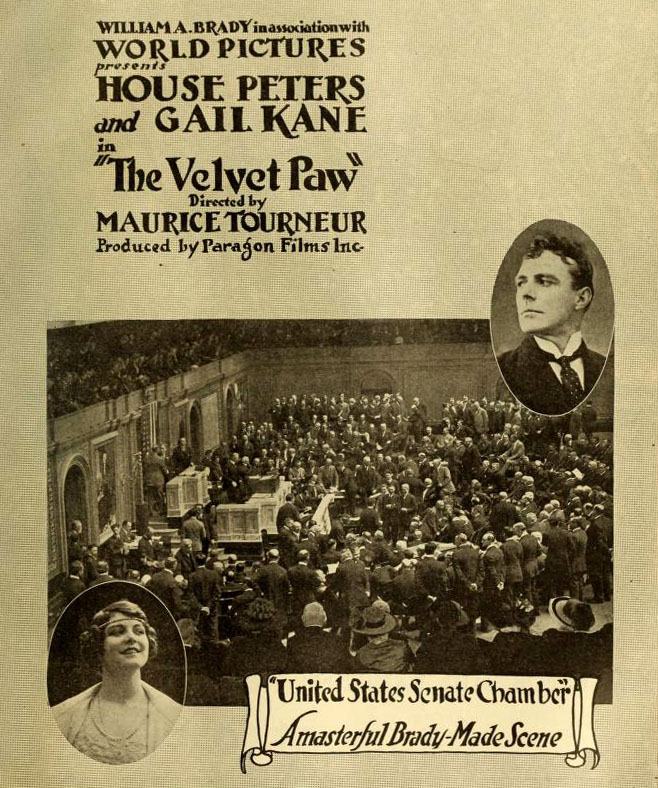
In the labyrinthine corridors of early 20th-century Washington, D.C., a tragic narrative of ambition, moral compromise, and eventual redemption unfolds, centered on the enigmatic Mary Dexter. Initially arriving with her idealistic husband, Phillip, whose innovative battleship appliance is meant to revolutionize naval defense, Mary is quickly thrust into the unforgiving reality of a capital steeped in graft and entrenched influence. Phillip, a man of unyielding principle, finds himself utterly thwarted by the pervasive venality, ultimately succumbing to despair and taking his own life—a stark, brutal testament to the system's crushing power. Unbeknownst to him in his final moments, Mary, driven by a desperate love, had already begun to navigate the treacherous political waters, leveraging her striking beauty and formidable charm to secure the attention and a vague promise of assistance from the powerful, yet morally ambiguous, Senator Barring.
Left a widow, shattered but not broken, Mary becomes a pawn in Barring's intricate game. Recognizing her potent allure and sharp intellect, Barring, under a veneer of paternalistic kindness, cultivates her as an invaluable political operative. She is drawn into his household, comforted and groomed, eventually becoming his 'velvet paw'—a seemingly soft instrument capable of delivering devastating political blows. Her first significant target is Clifford Drake, a young, incorruptible congressman who steadfastly resists the 'interests' Barring represents. Mary orchestrates a calculated seduction, ensnaring Drake with a mirage of romantic commitment, ultimately compelling him to betray his principles and vote against his conscience. The consequence is Drake's professional ruin and personal descent into a vengeful madness, his career obliterated and his love scorned by Mary, who dismisses his desperate plea for marriage with cruel laughter.
Yet, the arrival of Moorehead, a robust, honest Western congressman, introduces an unexpected variable into Barring's meticulously crafted schemes and, more profoundly, into Mary's jaded heart. Despite her initial attempts to manipulate him into opposing the Child Labor Bill, Moorehead's unshakeable integrity and genuine character begin to chip away at Mary's hardened cynicism. His steadfast refusal to compromise his values, even in the face of her compelling charm, ignites a dormant moral compass within her. This burgeoning affection for Moorehead, a man untainted by the very corruption she has embodied, catalyzes a profound awakening. She confronts the full infamy of her actions, realizing the destructive path she has trod. In a climactic race against time, Mary frantically pursues Moorehead, who, true to his word, has absented himself from the crucial vote. Through a desperate, impassioned plea, she convinces him of her genuine change of heart, inspiring him to return to the House and deliver a powerful, decisive address in favor of the Child Labor Bill, securing its passage. This moment of collective triumph is tragically punctuated by Drake's vengeful, drunken shot, intended for Mary, a final, violent echo of her past transgressions. Miraculously, Mary survives with a minor wound, her brush with death affirming her narrow escape from moral ruin and her hard-won redemption, now standing beside Moorehead, ready to fight for a new, principled future.
Synopsis
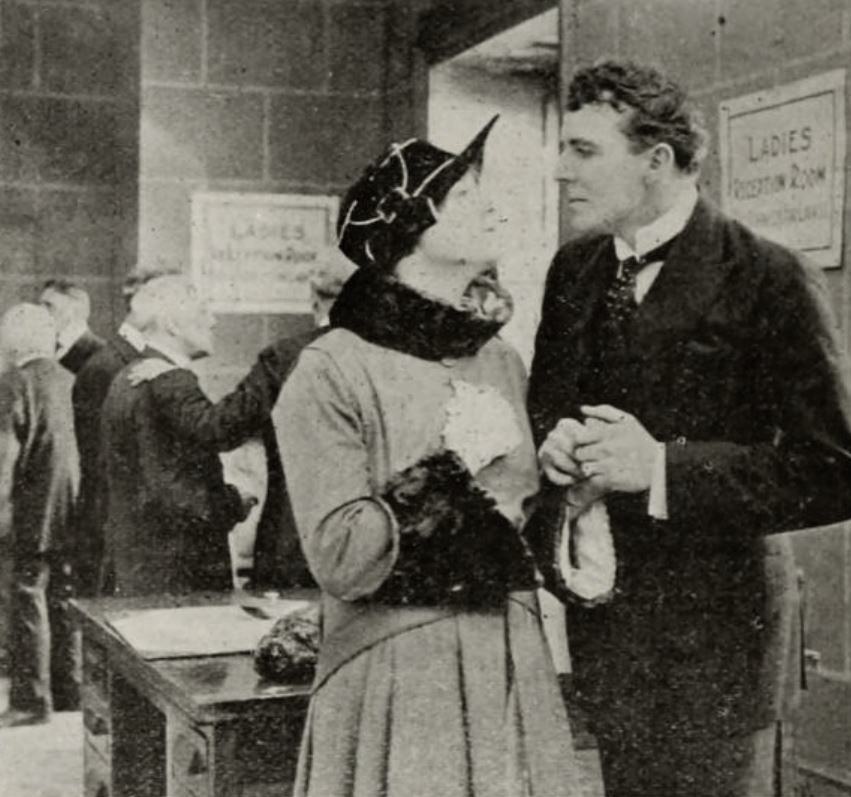
Mary Dexter comes to Washington with her husband, Phillip, to get his invention, an appliance for battleships, adopted. He runs against graft and influence on all sides and finally realizes he can do nothing without money and "pull." Unknown to Phillip, Mary goes to Senator Barring and by her beauty and charm so interests him that he promises to help her husband. When she rushes to tell the good news to Phillip, she is horrified to find him dead by his own hands. Senator Barring recognizes in Mary a clever tool and under the guise of friendship and kindliness wins her to his side. He and his wife take her into their home, help and comfort her, and when she asks to be allowed to repay them, he enlists her assistance for some of his measures. She falls in with his plans and is successful in winning to her side the vote of various members of Congress. Clifford Drake, a young. clean-cut congressman, despite bribes and threats, refuses to side with the interests. Barring persuades Mary to use her influence. She lures Drake on and finally on a vague promise of marriage induces him to forsake his principles and vote with the interests. His infatuation costs him his seat in Congress; his party is disgusted with his deflection and turn from him, electing in his stead, Moorehead, a strong, capable, honest westerner. Drake, maddened with love for Mary, begs her to marry him despite his defeat, but she laughs his proposal to scorn and he goes, threatening revenge for his blighted career. Mary is attracted to Moorehead and succeeds in meeting him and winning his interest. Like all other men, he falls for her charms, but despite his infatuation, he will not yield his principles and refuses to vote against the Child Labor Bill at Mary's request. Finally, however, on her urgent plea, he promises her that he will be absent when the vote is called. When Mary reports this to Barring, he is furious; they must have Moorehead's help in defeating the bill. Mary realizes at last how infamous has been her part in the political game. Love for Moorehead has awakened her true nature, and she determines to undo part of her work. The Child Labor Bill is up for discussion. Madly Mary pursues Moorehead, who, true to his promise, has remained away from the House. Finally, she comes upon him and begs him to return and cast his vote for the bill. Believing she is trying to "use" him further, he breaks away from her, but at last she convinces him that through him she has come to see things in their true light and is anxious to fight with him for the right. Moorehead rushes to the House and delivers an impassioned address in favor of the Child Labor Bill. His strong arguments carry the day and the bill is passed. Congratulations are showered on him. Mary in the gallery, rejoices in his victory when suddenly a shot rings out and Mary falls wounded. Drake, drunk and half crazed in his desire for revenge, followed Mary and fired with intent to kill. The House is in an uproar. Drake is seized by angered members and hurled from the gallery. Moorhead rushes up to Mary and is overjoyed to find that her wound is only slight and together they rejoice over his victory and her narrow escape.
Review Excerpt
"
The Velvet Paw: A Glimpse into Washington's Moral Quagmire
Step back into an era when cinema spoke through grand gestures and evocative intertitles, and you'll find The Velvet Paw, a silent film that, despite its age, resonates with a startlingly contemporary relevance. This isn't merely a historical artifact; it's a potent political drama, a searing indictment of Washington D.C.'s perennial dance with corruption, and a nuanced exploration of a woman's journey through moral compromise ..."