DbcultAccessing Vault...
Cult Review
Senior Film Conservator
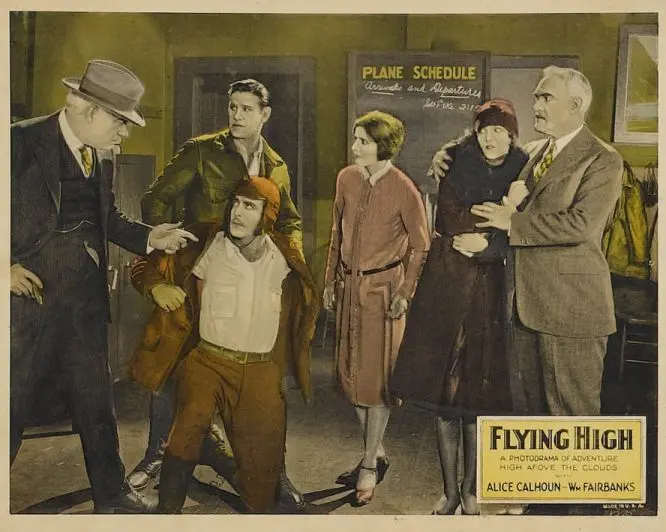
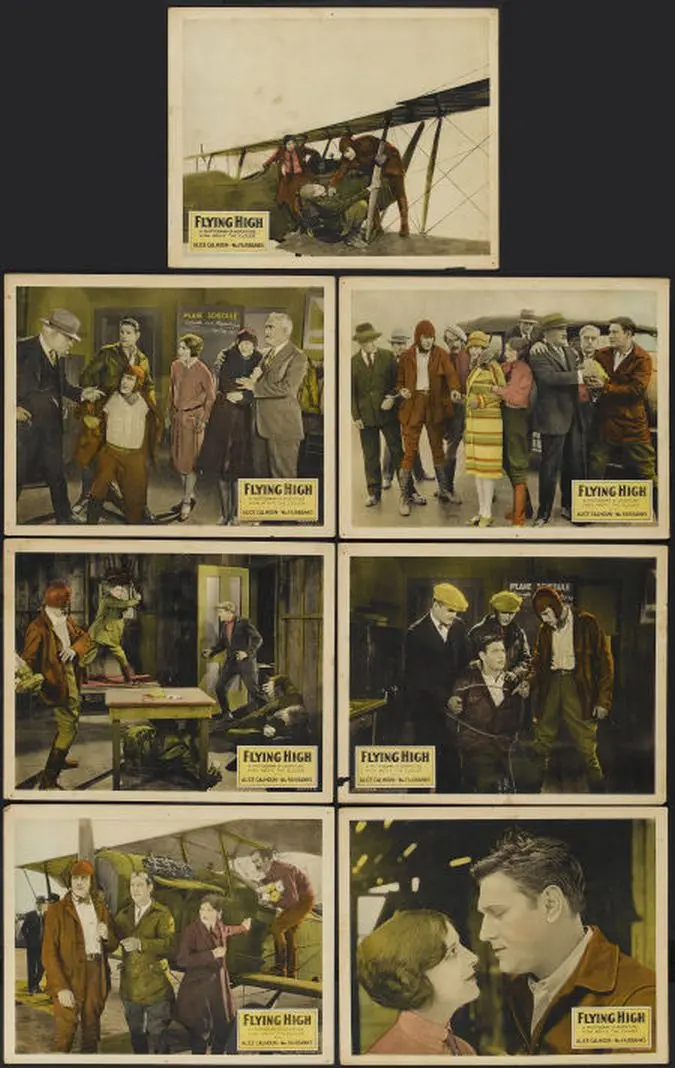
Is Flying High (1926) a forgotten masterpiece or a relic best left in the hangar? Short answer: yes, it is a vital watch for those who value practical stunt work and the raw energy of early action cinema, but it is not for viewers who demand narrative nuance. This film is for the silent cinema enthusiast who craves the visceral thrill of real planes and real danger, and it is definitely not for those who find the 'vamp' archetypes of the 1920s more irritating than entertaining.
This film works because it treats the airplane as a character rather than a prop, utilizing the inherent danger of 1920s flight to create genuine tension. This film fails because its secondary plot involving a seductive 'vamp' feels like a mandatory genre box-check rather than a logical story progression. You should watch it if you want to see the blueprint for the modern aerial heist movie, long before CGI replaced the terrifying reality of wing-walking and low-altitude dogfights.
William Fairbanks brings a rugged, blue-collar energy to the role of Roy Cummins that distinguishes him from the more aristocratic swashbuckling of his namesake, Douglas Fairbanks. While Douglas was all grace and smiles, William feels like a man who has actually spent a decade covered in engine oil. In the opening exhibition flight scenes, his movements are economical and deliberate, suggesting a veteran pilot who respects the machine.
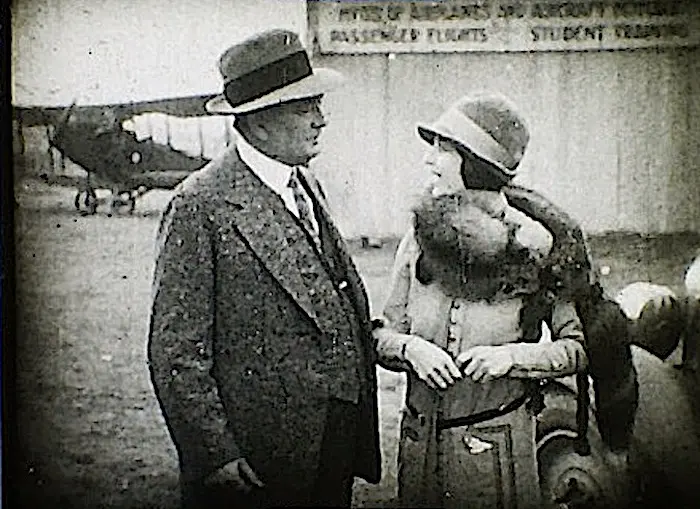
Consider the moment Roy realizes he has been played for a fool after receiving the $500. Fairbanks doesn't resort to the over-the-top gesticulation common in the era; he sits still, his eyes hardening as he looks at the money. It is a moment of quiet realization that anchors the film in a sense of realism often missing from silent melodramas like The Song of the Soul.
His chemistry with Alice Calhoun, playing Patricia Barton, is functional if not electric. Calhoun serves as the moral compass, and while her role is somewhat reactionary, she provides the necessary friction to propel Roy back into the fray. The film is at its best when these two are navigating the moral grey areas of the post-war aviation boom, a theme also explored with less subtlety in The Woman God Sent.
The true selling point of Flying High is the 'airborne bandits.' In an era where commercial flight was still a novelty, the idea of pirates in the sky was peak speculative fiction. The cinematography during the cargo plane attack is nothing short of miraculous for 1926. The cameras are mounted in ways that capture the sheer scale of the horizon, making the viewer feel the precariousness of the situation.
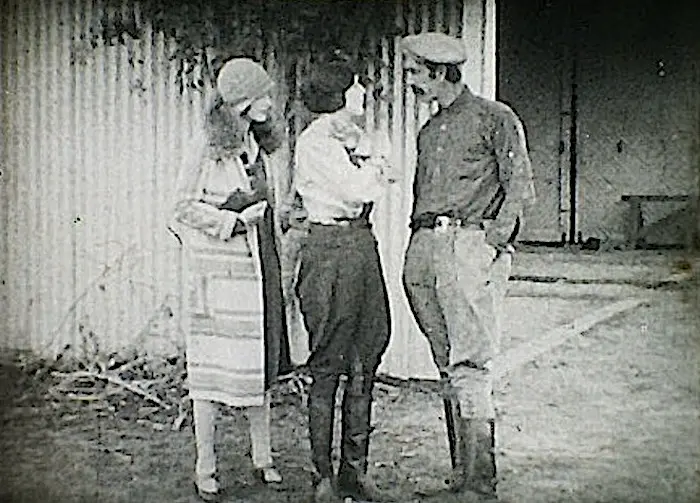
One specific scene involves a mid-air transfer that makes modern action films look sanitized. There is no green screen here; there are only two biplanes, a rope ladder, and a stuntman with a very high tolerance for risk. This sequence alone justifies the film's existence. It is a masterclass in pacing, building from a slow pursuit to a frantic struggle atop the wings.
The direction by James W. Horne (though often uncredited in favor of the producer's vision) ensures that the action remains coherent. Unlike the chaotic editing found in some contemporary films like Blue Jeans, Flying High maintains a clear sense of geography. You always know where the hero's plane is in relation to the villains, which is essential for maintaining suspense in a three-dimensional environment.
Every 1920s thriller needed a 'vamp,' and Flying High delivers one with all the subtlety of a sledgehammer. Sent by the gang leader to seduce Roy, this character represents the era's anxiety about female agency and sexuality. While the performance is committed, the subplot slows the film's momentum to a crawl. It is a trope we see handled with perhaps more psychological depth in Mad Love.
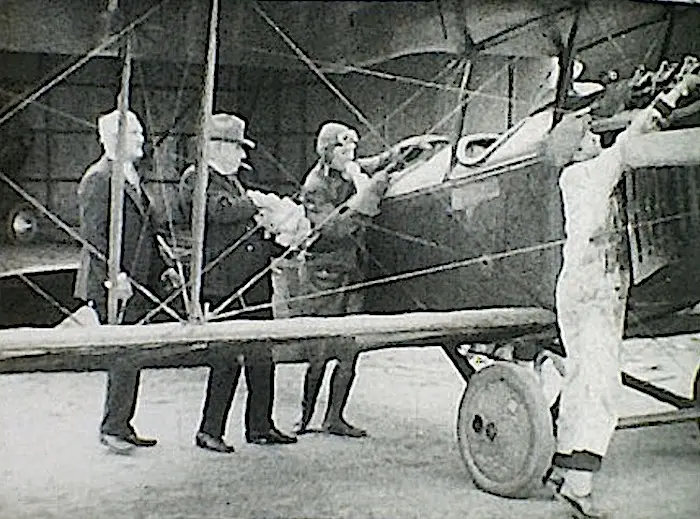
The villainous ring of thieves, however, is surprisingly well-organized. They operate with a military precision that suggests a dark mirror to Roy's own background. This isn't just a group of thugs; they are a sophisticated syndicate using the latest technology to outpace the law. This element of 'technological crime' feels remarkably modern, echoing the themes found in The Snarl.
The confrontation between Roy and the gang leader is a highlight. It isn't just a physical brawl; it's a clash of ideologies. Roy represents the noble use of aviation, while the leader represents its corruption for greed. This binary is simple, yes, but it is effective. It works. But it’s flawed by the predictable nature of the resolution.
Flying High is worth watching for anyone interested in the evolution of the action genre. It provides a rare look at 1920s aviation culture and features some of the most daring practical stunts of the silent era. If you can look past the dated social tropes, the technical achievement remains impressive nearly a century later.
Pros:
The aerial photography is ahead of its time, capturing the majesty and terror of flight. William Fairbanks provides a grounded, relatable hero. The pacing during the final act is relentless.
Cons:
The dialogue cards are occasionally redundant. The musical score (depending on the restoration) can sometimes clash with the high-stakes action. The villain's motivations are thin beyond simple avarice.
When compared to other films of the mid-20s, such as The Third Degree, Flying High feels much more outdoor-oriented and kinetic. While many dramas of the time were becoming increasingly stagey and interior, this film insists on the vastness of the sky. It shares some DNA with the adventurous spirit of The Kentuckians, yet it trades the frontier of the land for the frontier of the clouds.
There is a certain 'B-movie' charm here that is missing from prestige pictures like Slaves of Pride. Flying High isn't trying to win awards for its emotional depth; it wants to make your heart race. It succeeds in this far more often than it fails. The use of the $500 payout as a MacGuffin is a clever way to keep the plot moving, similar to the financial stakes in Mr. Billings Spends His Dime.
Flying High is a high-octane relic that deserves more than a footnote in film history. It captures a specific moment in time when the airplane was both a symbol of progress and a terrifying new tool for chaos. While the 'vamp' subplot is a groan-worthy distraction, the aerial sequences are pure, unadulterated cinema. It’s a film that understands the value of a high-stakes chase and the weight of a man's reputation. It is not a masterpiece, but it is a thrilling ride that proves some things—like the fear of falling—never go out of style.
IMDb 6.5
1932
Community
Log in to comment.