DbcultAccessing Vault...
5.1/10
Senior Film Conservator
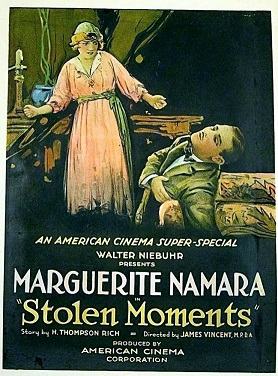
A definitive 5.1/10 rating for a film that redefined the boundaries of cult cinema. Stolen Moments remains a cornerstone of transgressive art.
Ah, the silent era! A time when emotions were writ large across faces, when a flicker of an eye or a subtle gesture could convey volumes that dialogue eventually would monopolize. And in the midst of this intensely visual storytelling, we find a gem like “Stolen Moments” (1920), a film that, despite its age, still pulsates with a raw, unsettling energy. This isn't just a historical curiosity; it's a potent exploration of human frailty, the corrosive nature of obsession, and the suffocating grip of societal expectation, all wrapped up in a narrative that feels startlingly modern in its psychological complexity.
Directed with an astute understanding of dramatic tension, this picture plunges us into the morally murky waters navigated by its central figures. At its core, “Stolen Moments” is a chilling examination of blackmail, not merely as a plot device, but as a weapon wielded with devastating precision against a woman’s very essence. The premise, deceptively simple, casts a long shadow: a novelist, Hugh Thornton, portrayed with a chilling blend of charm and menace by Alex Shannon, decides to reclaim his past lover, Marguerite, played by the expressive Marguerite Namara. The catch? She’s now a married woman, living a life of apparent domestic bliss with her unsuspecting husband, portrayed by Walter Chapin. The instrument of his coercion? A collection of old love letters, tangible remnants of a bygone passion, now re-purposed as tools of destruction.
The genius of the screenplay, penned by Richard Hall and H. Thomson Rich, lies in its unflinching portrayal of Marguerite's agonizing predicament. She is not merely a victim; she is a woman caught in a maelstrom of conflicting loyalties and profound fear. The film doesn't shy away from depicting the psychological toll of Thornton's relentless pursuit. Each clandestine meeting, each forced embrace, is a fresh wound inflicted upon her spirit, slowly eroding her sense of self and the sanctity of her marriage. Namara’s performance is particularly noteworthy here; her subtle shifts in expression, the haunted look in her eyes, and the palpable tension in her posture speak volumes about the internal turmoil she endures. It’s a masterclass in silent film acting, conveying a universe of unspoken anguish.
Let’s talk about the performances, because in a silent film, the actors are the very conduit of meaning. Alex Shannon as Hugh Thornton is a revelation. He imbues the character with a predatory elegance, a man who believes he is entitled to what he desires, regardless of the wreckage he leaves in his wake. His smile, at once alluring and chilling, is a mask for his manipulative intentions. He’s not a mustache-twirling villain in the traditional sense; rather, he’s a more insidious threat, cloaked in social acceptability, making his actions all the more disturbing. His character provides a stark contrast to Walter Chapin’s portrayal of the husband, who embodies the unsuspecting normalcy that Thornton so eagerly seeks to shatter. Chapin’s character is a symbol of the domestic tranquility that Marguerite desperately tries to protect, a tranquility that becomes increasingly fragile under the weight of Thornton’s tyranny.
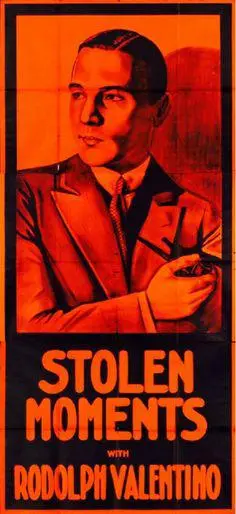
And then, of course, there's Rudolph Valentino. While his role here might not be the sprawling, iconic lead performances that would later define his legend, his presence is undeniable. Even in a supporting capacity, Valentino possesses an electrifying charisma that leaps off the screen. He plays José, a seemingly minor character, yet he brings a certain dynamism to every scene he graces. This early appearance offers a fascinating glimpse into the nascent star power of a man who would soon become one of cinema's greatest heartthrobs. His natural magnetism, even when delivering a relatively small part, hints at the profound impact he was destined to have on the silver screen. It's akin to seeing a fledgling eagle already possessing the grandeur of its future flights. One can draw a parallel to how even early, seemingly smaller roles in films like The Merry-Go-Round or Snobs can reveal the budding talent of future icons, underscoring the importance of observing cinematic careers from their foundational moments.
The ensemble cast, including Jean Gauthier DeTrigny, Henrietta Simpson, Albert L. Barrett, Arthur Earle, Aileen Pringle, and Peggy Bolton, contributes to the rich tapestry of the film, each adding a layer of authenticity to the world in which Marguerite finds herself trapped. Their reactions, their silent judgments, and their unwitting involvement in the unfolding drama amplify the sense of a world closing in around her. The meticulous attention to detail in their characterizations, even in fleeting moments, speaks to the collaborative spirit of silent filmmaking.
The thematic resonance of “Stolen Moments” extends far beyond its immediate plot. It's a poignant commentary on the restrictive societal norms of the early 20th century, particularly concerning women. A woman's reputation was her most valuable asset, and a past indiscretion, if exposed, could lead to utter ruin. The film brilliantly captures this precariousness, showcasing how easily a life built on respectability could be shattered by a single, malicious act. The very notion of 'stolen moments' takes on a double meaning: not just the illicit encounters themselves, but the theft of Marguerite's peace, her dignity, and her future. The film's exploration of moral ambiguity is also striking. While Thornton is clearly the antagonist, the narrative doesn't simplify Marguerite's plight. Her initial actions, however youthful or misguided, set the stage for her current torment, prompting viewers to consider the long-term repercussions of choices made in moments of passion.
The cinematography, typical of the era, employs stark contrasts and dramatic close-ups to heighten emotional impact. Without dialogue, visual storytelling becomes paramount, and “Stolen Moments” excels in this regard. The use of shadows to convey lurking danger, the framing of Marguerite in isolated shots to emphasize her loneliness, and the quick cuts during moments of high tension all contribute to a compelling visual language. The film understands the power of the unspoken, allowing the audience to project their own fears and anxieties onto the characters’ silent struggles. This reliance on visual cues and the actors' expressive faces is what makes silent cinema so captivating, a stark reminder of how much can be communicated without a single uttered word. One might compare this intense focus on non-verbal communication and internal struggle to films like The Greatest Question, where the dramatic weight often rests on the subtle interplay of glances and gestures.
The writers, Richard Hall and H. Thomson Rich, deserve immense credit for crafting such a compelling narrative. They understood that true drama often lies in the internal battles waged within a character, rather than just external conflicts. The slow burn of Thornton's blackmail, the mounting pressure on Marguerite, and the inevitable collision of their past with her present are all meticulously woven together. They don't offer easy answers or convenient resolutions, instead presenting a nuanced portrayal of human weakness and resilience. Their script is a testament to the enduring power of well-constructed storytelling, regardless of technological limitations. The intricate plotting and character-driven conflict could even find echoes, albeit in different contexts, in the carefully constructed narratives of films like Irrungen, showcasing a shared ambition to explore complex human relationships.
“Stolen Moments” is more than just a relic from a bygone era; it’s a vibrant, emotionally charged drama that speaks to timeless themes. It forces us to confront uncomfortable questions about morality, agency, and the long reach of our past actions. The film's legacy lies not just in its early glimpse of Rudolph Valentino’s burgeoning star power, but in its ability to grip an audience with a story that is both deeply personal and universally resonant. It reminds us that even without the benefit of spoken dialogue or elaborate special effects, the human drama, when skillfully rendered, possesses an extraordinary capacity to captivate and provoke thought.
For those who appreciate the artistry of silent cinema, or anyone interested in the foundational narratives that shaped cinematic storytelling, “Stolen Moments” is an absolute must-see. It's a film that lingers long after the credits roll, its echoes of manipulation and despair reverberating with a quiet intensity. It's a poignant reminder that some of the most profound human struggles are fought in the silent chambers of the heart, and sometimes, the most devastating words are those that are never spoken aloud.
The film’s portrayal of societal hypocrisy is particularly sharp. Marguerite’s forced affair is not merely a personal tragedy but a public performance dictated by the threat of exposure. The film implicitly critiques a world where a woman’s reputation could be irrevocably tarnished by a single misstep, while the male instigator often escaped with far less severe consequences. This gendered imbalance of power and consequence is a pervasive undercurrent throughout the narrative, adding another layer of depth to Marguerite’s increasingly desperate situation. The visual cues—Marguerite’s furtive glances, her attempts to maintain composure in public, the stark contrast between her public demeanor and her private anguish—are all meticulously crafted to underscore this societal pressure.
Reflecting on the film’s place within the broader tapestry of silent cinema, it stands as a testament to the era’s capacity for sophisticated storytelling. While films like Kaliya Mardan might explore mythological grandeur and Miss U.S.A. might revel in pageantry, “Stolen Moments” delves into the intimate, often ugly, corners of the human psyche. It demonstrates that the dramatic power of early cinema was not solely reliant on spectacle, but on its ability to dissect complex emotional states and moral dilemmas. The film’s tension, built through sustained psychological pressure rather than overt action, showcases a refined approach to suspense that many contemporary thrillers could learn from.
The film's ending, without giving anything away, ensures that the weight of the preceding events is felt profoundly. It doesn't offer a simplistic resolution, which is another mark of its artistic integrity. Instead, it invites reflection on the enduring scars left by betrayal and coercion. It’s a powerful narrative that uses the tools of silent film—expressive acting, evocative cinematography, and a tightly constructed script—to deliver a story that is both emotionally resonant and intellectually stimulating. In a world increasingly saturated with sound and fury, the quiet intensity of “Stolen Moments” is a refreshing and deeply affecting experience, urging us to listen not with our ears, but with our hearts and minds to the silent cries of its characters.
IMDb —
1920
Community
Log in to comment.