DbcultAccessing Vault...
6.7/10
Senior Film Conservator
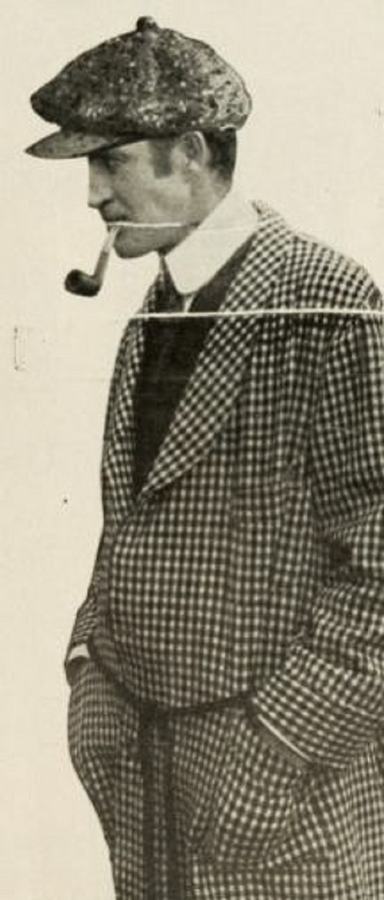
A definitive 6.7/10 rating for a film that redefined the boundaries of cult cinema. A Study in Scarlet remains a cornerstone of transgressive art.
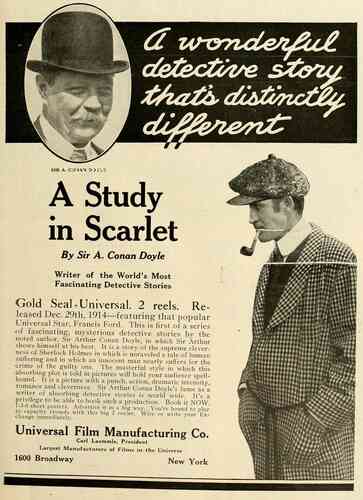
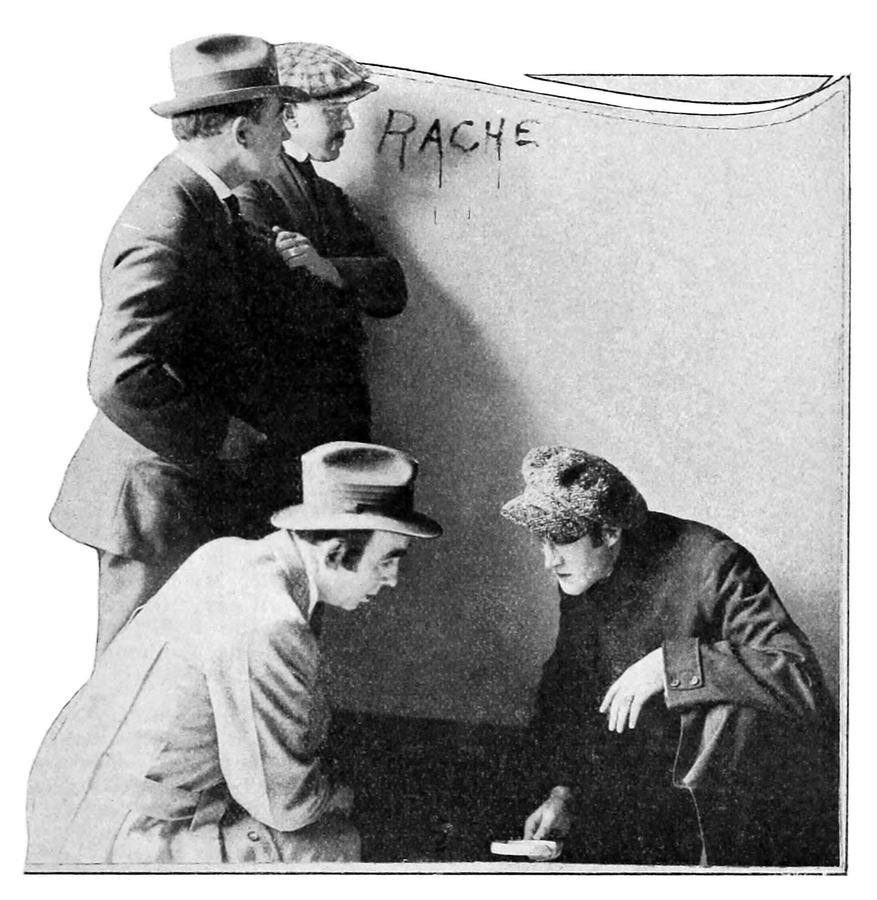
A Study in Scarlet emerges as a striking fusion of detective fiction and historical allegory, its narrative scaffolding built upon the collision of two epochs. The film’s decision to interweave the 1850s Utah War—a period marked by violent clashes between settlers and indigenous populations—with a contemporary murder in London is not mere narrative contrivance but a deliberate interrogation of how history’s traumas reverberate across time. Arthur Conan Doyle’s source material, here recontextualized by Harry Engholm, transforms the classic Holmesian framework into a vessel for examining the moral decay of empire. The murder of Enoch Drebber, with its cryptic bloodstained clue, serves as a cipher for a far older transgression: the mass graves of the Mountain Meadows Massacre. This temporal duality, rendered with chilling precision in the film’s intertitles, evokes a sense of cyclical violence that neither geography nor time can extinguish.
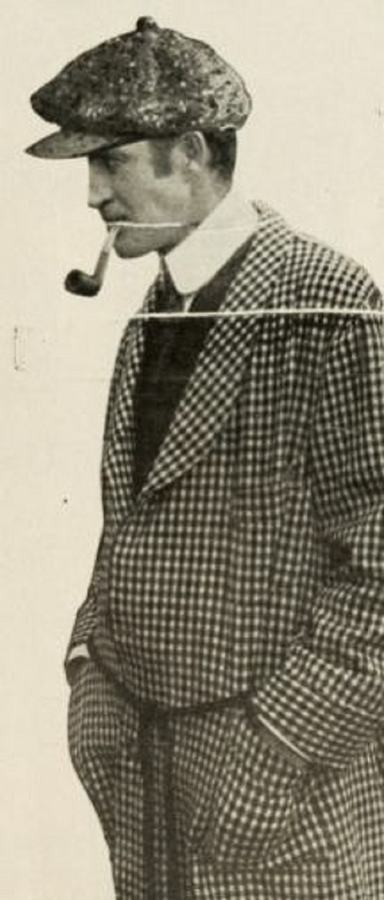
Henry Paulo’s portrayal of Sherlock Holmes is a masterclass in restrained intensity. His physicality—sharp, almost mechanical in its efficiency—contrasts starkly with the emotive cadence of Agnes Glynne’s Dr. Watson. Glynne, whose performance is marked by a delicate oscillation between skepticism and compassion, provides a humanizing counterpoint to Paulo’s clinical detachment. Their dynamic, though filtered through the constraints of silent film, feels authentically collaborative, underscoring the film’s thematic emphasis on the interplay between logic and empathy. Fred Paul’s portrayal of the killer, a man consumed by the ideologies of a bygone era, is particularly unsettling. His eyes, often lingering in the shadows of the frame, convey a fanatical resolve that lingers long after the credits roll.
The film’s visual language is as deliberate as its narrative structure. Director Harry Engholm employs stark contrasts to mirror the moral binaries at play—dawn-lit scenes in Utah, rendered in soft sepia tones, juxtapose with the harsh, shadow-pierced interiors of London’s morgue. The use of close-ups during the exposition of the bloodstained "Study in Scarlet" clue is particularly effective, the camera lingering on the actors’ faces as if inviting the audience to scrutinize their own complicity in the historical sins the film unearths. The absence of spoken dialogue is compensated by a meticulous use of intertitles that double as poetic commentary, their phrasing echoing the archaic cadences of Doyle’s original text yet imbued with a modernist urgency.
At its core, A Study in Scarlet is a meditation on the futility of seeking redemption through retribution. The film’s climax, in which Holmes confronts the killer in a desolate Utah landscape, is less a resolution than a reckoning. The killer’s monologue, delivered through a series of fragmented intertitles, reveals the corrosive power of ideological extremism—a theme that resonates powerfully in the context of World War I’s looming shadow. The film’s refusal to offer catharsis, instead opting for a contemplative silence, marks it as a precursor to the existential anxieties of later noir and historical dramas. Comparisons to A Ticket in Tatts or The Crime of the Camora are instructive; where those films foreground social realism, A Study in Scarlet elevates the detective genre into a philosophical inquiry about the weight of history.
Though released in 1914, A Study in Scarlet’s thematic preoccupations—particularly its exploration of colonial violence—find eerie parallels in modern works like The Lady Outlaw or Huo wu chang, which grapple with the legacies of imperialism and resistance. The film’s influence on the detective genre is undeniable; its dual timelines and historical subtext became a template for later adaptations such as The Eleventh Hour and The Mystery of St. Martin’s Bridge. Yet it remains a singular achievement in early cinema, its silent intertitles and stark visuals a testament to the power of visual storytelling in conveying complex moral dilemmas.
For modern audiences, A Study in Scarlet is more than a relic of the silent era—it is a provocative engagement with the idea that history is not a closed chapter but a living, breathing force. The film’s interrogation of justice, memory, and violence remains startlingly relevant, its questions as urgent as they were a century ago. While its pacing may feel leisurely by contemporary standards, this deliberate tempo allows the weight of its themes to settle, much like the dust on the Utah plains where the film’s historical sins are laid bare. In an age where the past is continually repurposed for political and cultural ends, A Study in Scarlet stands as a reminder of the cost of forgetting.
IMDb 6.9
1934
Community
Log in to comment.