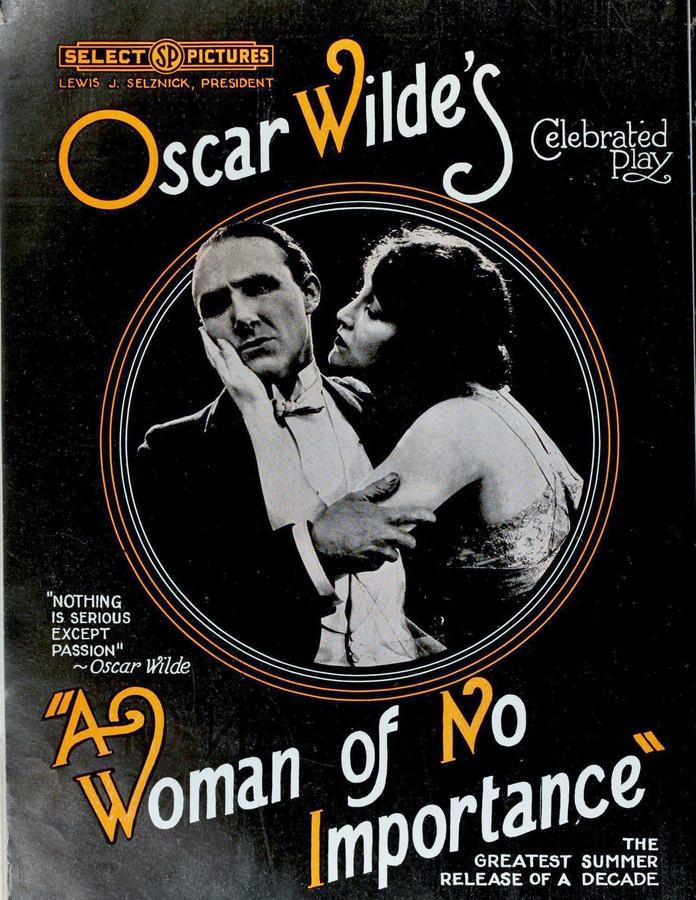
A widow's son refuses to be adopted by a Lord when he learns the Lord is her father..
A Woman of No Importance (1924) Review: Wilde’s Shadow, Wilde’s LightOscar Wilde’s A Woman of No Importance, adapted for the screen in 1924 with a script by Wilde himself and Arthur Q. Walton, is a film that lingers like a half-remembered dream—elegant, unsettling, and impossible to shake. The narrative, steeped in the...
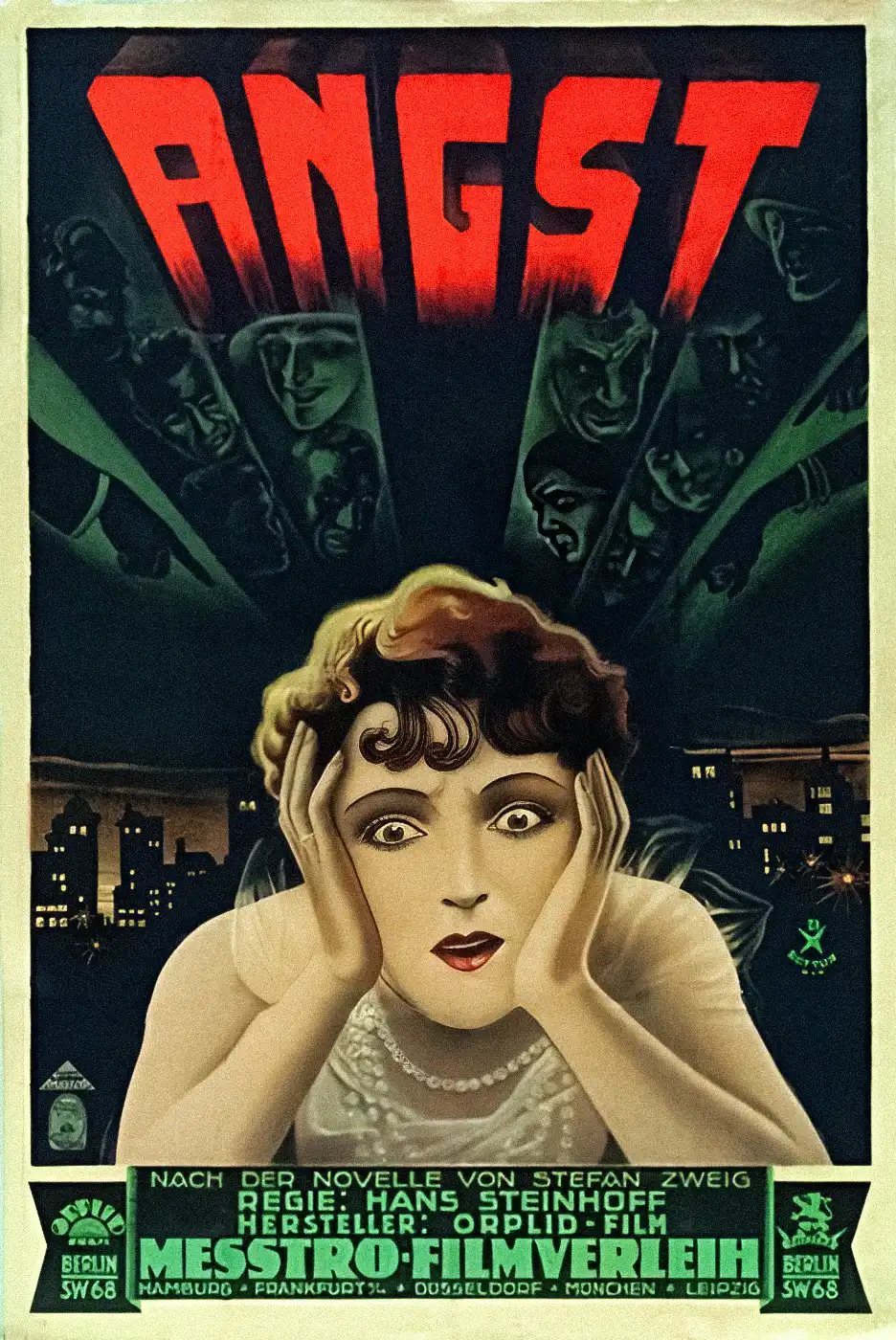
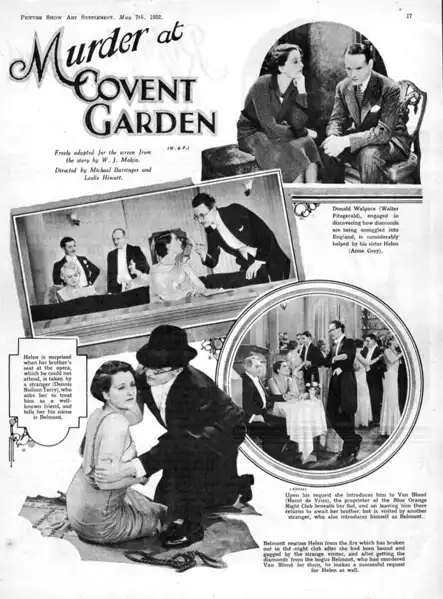
Comparing the cinematic DNA and archive impact of two defining moments in cult history.
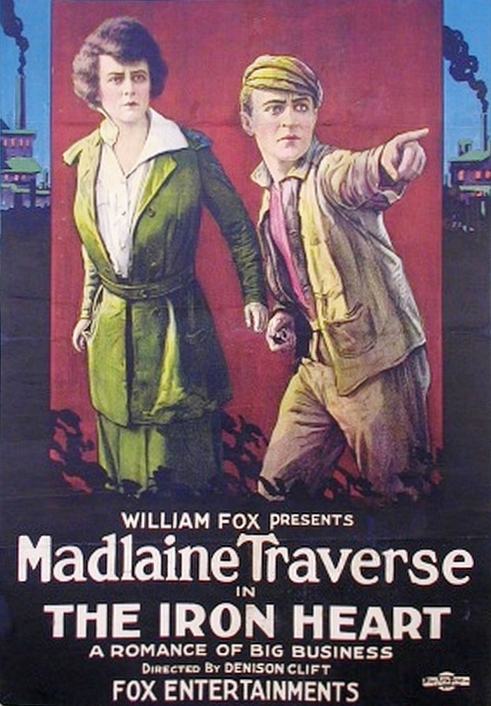
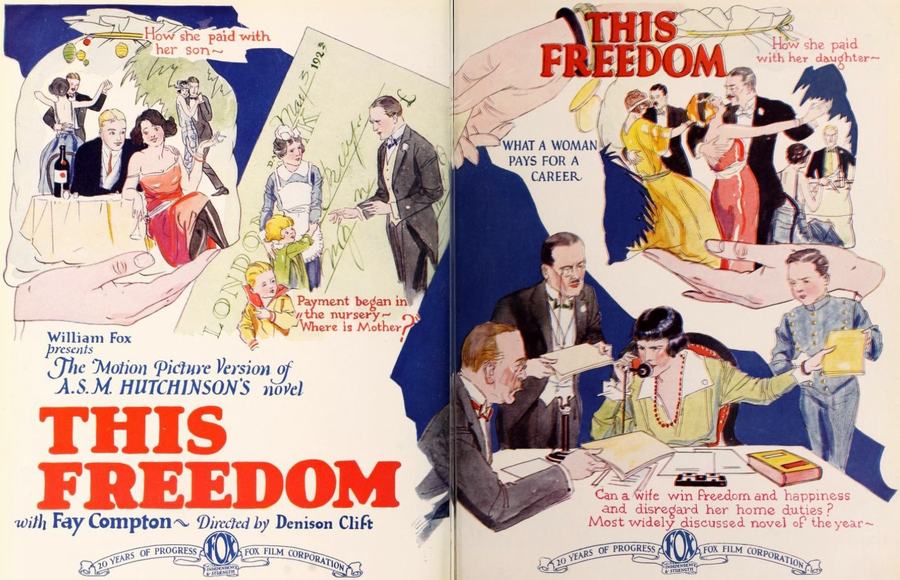
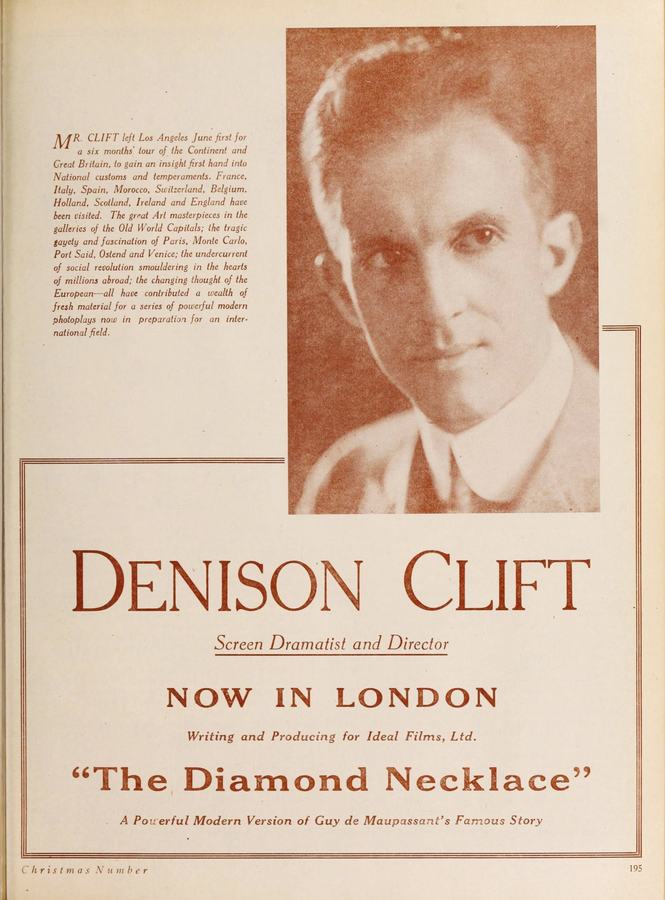
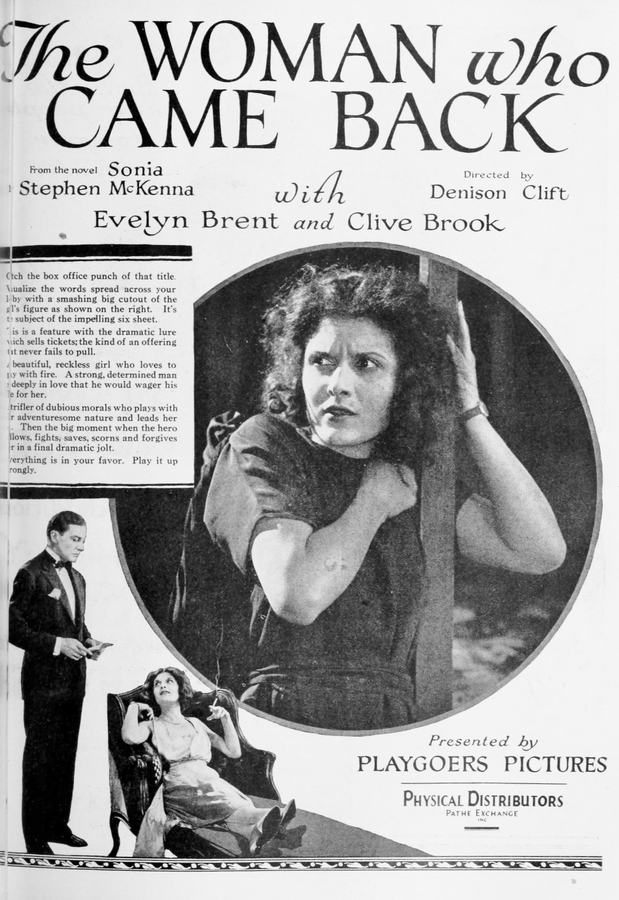
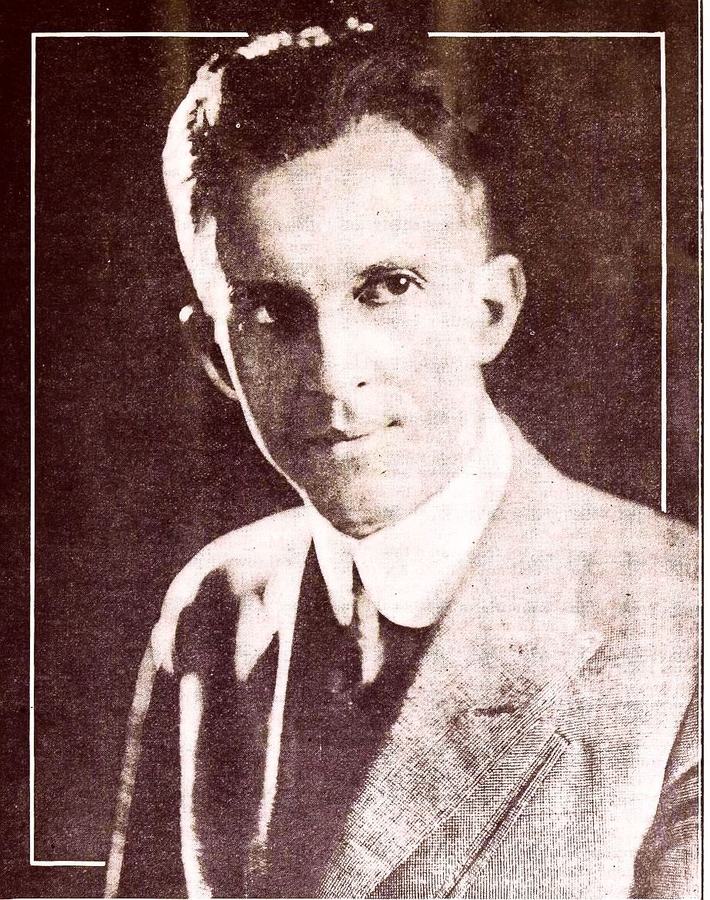
Denison Clift
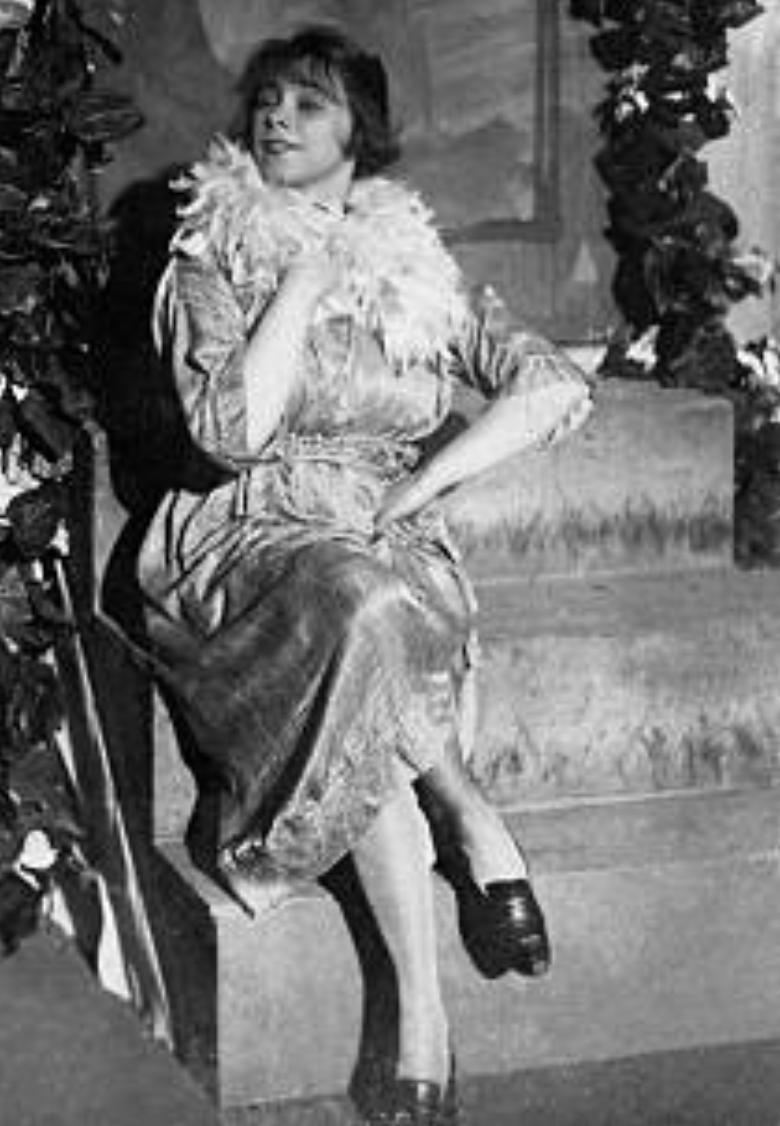
Bruno Ziener
Community
Log in to comment.
"A Woman of No Importance (1924) Review: Wilde’s Shadow, Wilde’s LightOscar Wilde’s A Woman of No Importance, adapted for the screen in 1924 with a script by Wilde himself and Arthur Q. Walton, is a film that lingers like a half-remembered dream—elegant, unsettling, and impossible to shake. The narrative, steeped in the playwright’s trademark irony, follows Lady Hunstanton (Daisy Campbell), a widow whose clandestine history as a courtesan to Lord Darlington (Henry Vibart) becomes the fulcrum of a..."
Hetta Bartlett
Oscar Wilde, Arthur Q. Walton
United Kingdom
Deep dive into the cult classic
Discover similar cinematic experiences
A Directorial Spotlight on Denison Clift