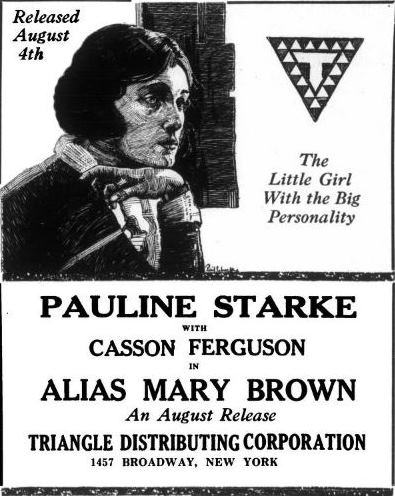
After his father's sudden death, Dick Browning learns that three financiers swindled Mr. Browning of his money.
E. Magnus Ingleton
United States
Alias Mary Brown Alias Mary Brown is a film that thrives in the liminal space between noir and operetta, where the line between criminal and avenger blurs under the weight of grief and societal corruption. Sidney De Gray’s portrayal of Dick Browning—a man whose identity fractures into two personas—captures the dis...
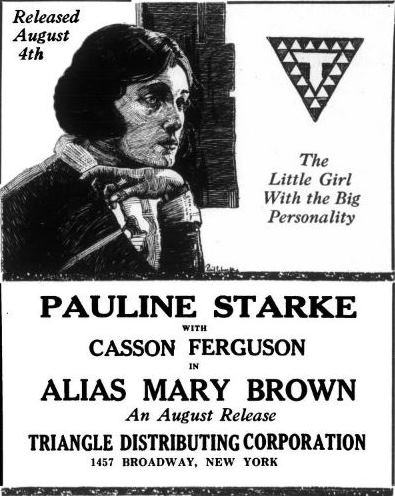
production_art

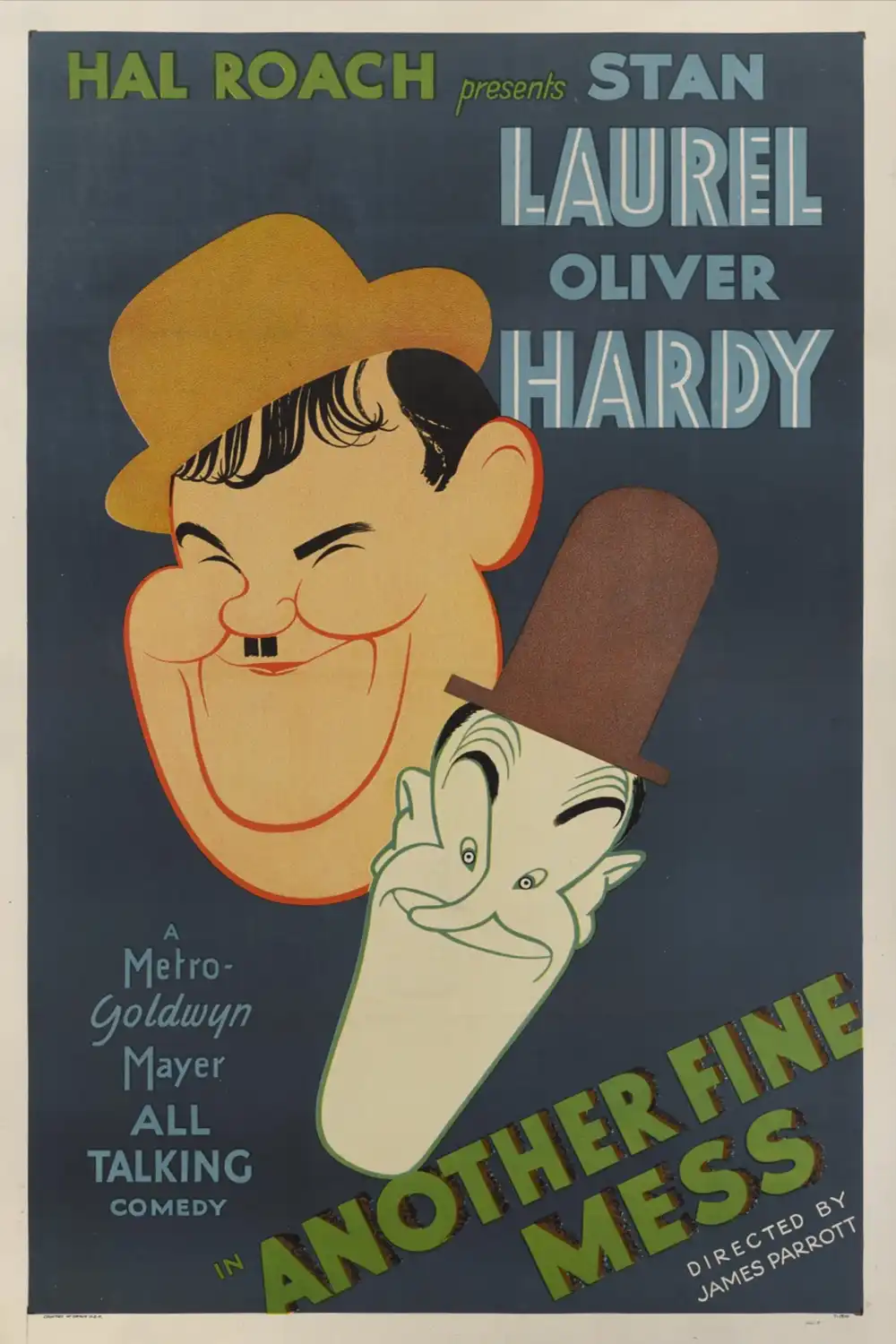
Comparing the cinematic DNA and archive impact of two defining moments in cult history.
Henri D'Elba
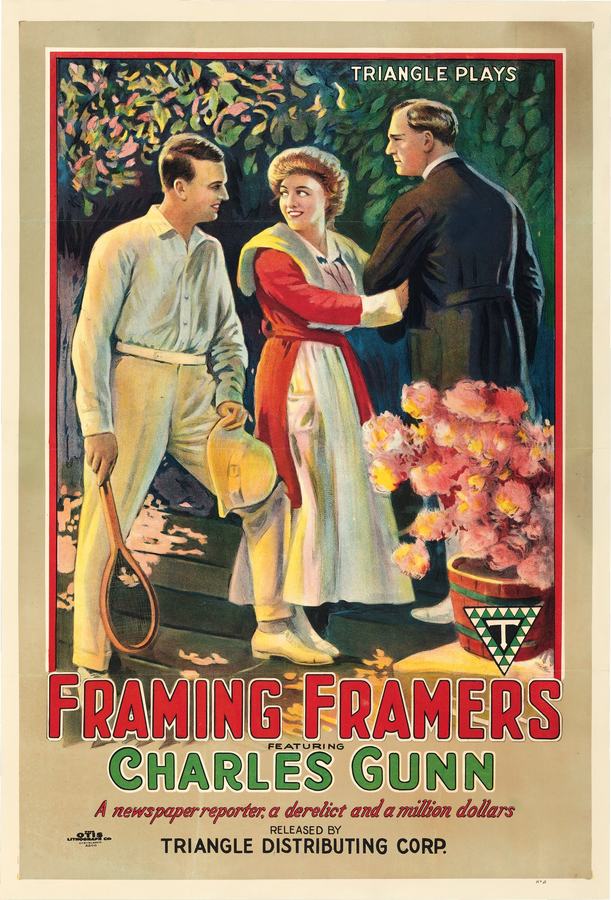
Henri D'Elba
Community
Log in to comment.
" Alias Mary Brown Alias Mary Brown is a film that thrives in the liminal space between noir and operetta, where the line between criminal and avenger blurs under the weight of grief and societal corruption. Sidney De Gray’s portrayal of Dick Browning—a man whose identity fractures into two personas—captures the dissonance of a world where financial exploitation erodes familial bonds. The film’s opening act, a stark depiction of Mr. Browning’s swindling, sets the tone for a narrative steeped ..."
Deep dive into the cult classic
Discover similar cinematic experiences
A Directorial Spotlight on Henri D'Elba
