Summary
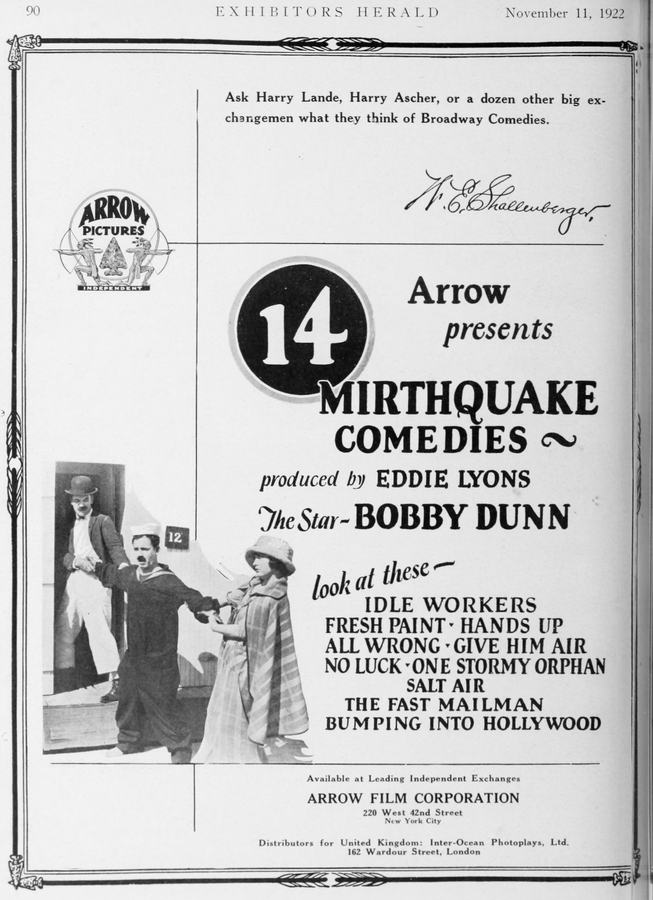
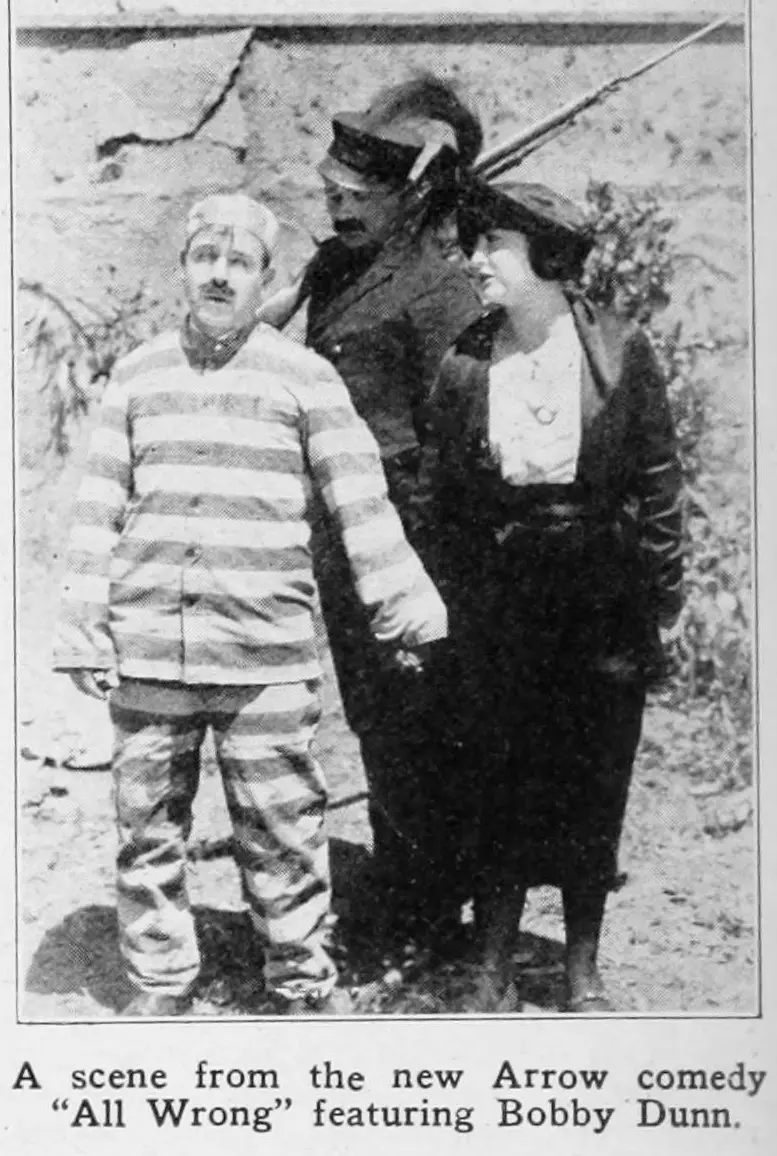
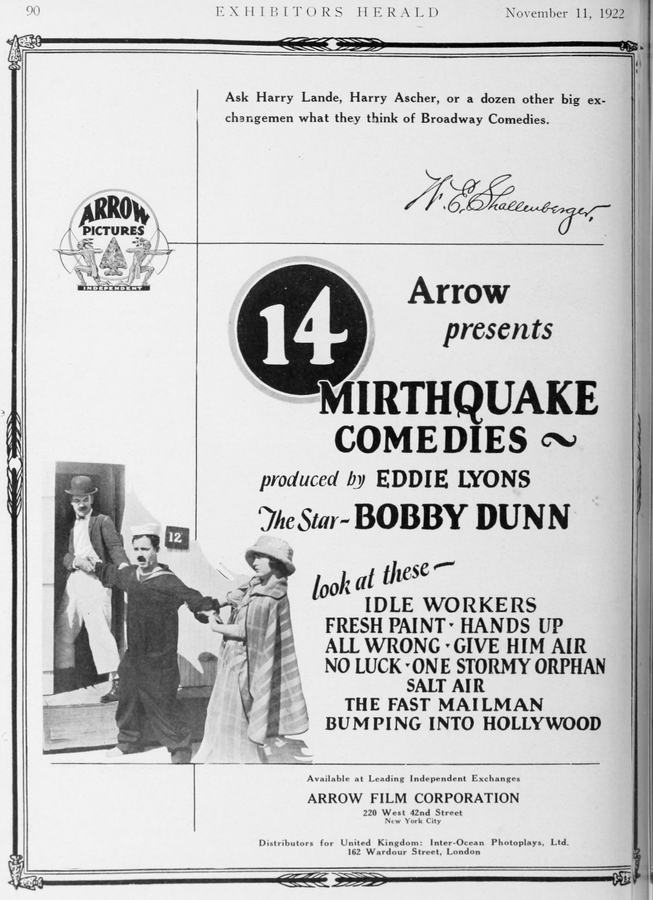
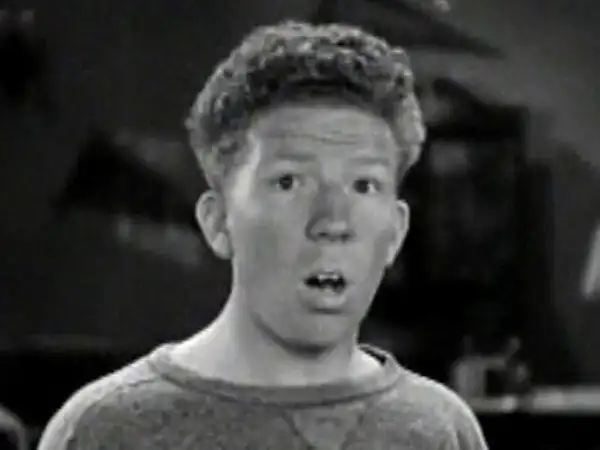
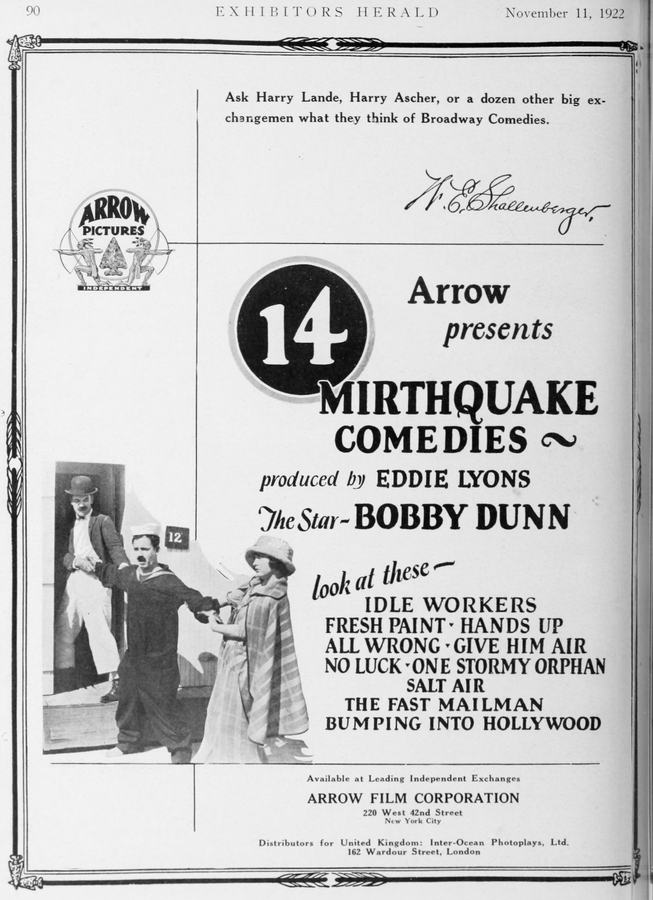
All Wrong (1922) functions as a frenetic, meta-cinematic descent into the psyche of the obsessed fan, embodied by Bobby, a lowly sandwich-board advertiser whose existence is defined by a parasocial fixation on the screen siren Vera Pretty. The narrative trajectory oscillates between the slapstick of the movie studio—a labyrinthine fortress of artifice—and the grim, high-stakes reality of a nearby penitentiary. In a desperate bid to bridge the chasm between his pedestrian life and Vera’s luminous world, Bobby orchestrates a perilous identity swap with a genuine fugitive. The ensuing chaos blurs the boundaries between choreographed performance and authentic desperation, culminating in a darkly ironic resolution where the protagonist finds the guillotine of reality more palatable than a life denied the leading role in his beloved’s personal drama. It is a work that interrogates the cost of stardom and the fragility of the working-class ego in the face of the nascent Hollywood dream machine.
Synopsis
Bobby is a sandwich man who is in love with Vera Pretty, a motion picture star. The story concerns his efforts to get into the studio to see her. He succeeds several times, each time butting in on the scene and being thrown out. The picture that Vera is making is about an escaped convict. In a nearby prison a convict is about to be executed. He make his escape and Bobby buys his convict suit from him in order to get into the picture with Vera. The guards capture him, believing him to be the escaped convict. He finally escapes from them and flees to Vera and begs her to save him. He again butts in and as this is a scene that the director is trying to take for some time and he does it so well, the director offers him a leading part in the next picture. He is delighted but when Vera says no one shall play the lead except her husband, he goes back to the prison to be executed.
Review Excerpt
"
In the pantheon of early silent cinema, few works manage to oscillate so violently between the whimsical and the macabre as Ralph Ceder’s 1922 curios, All Wrong. While contemporaries were busy refining the grammar of the chase or the pathos of the tramp, Ceder and lead Bobby Dunn were busy dismantling the fourth wall and the very concept of the romantic lead.
The Proletarian Yearning of the Sandwich Man
At the epicenter of this narrative whirlwind is Bobby, a man whose professional life is..."