Summary
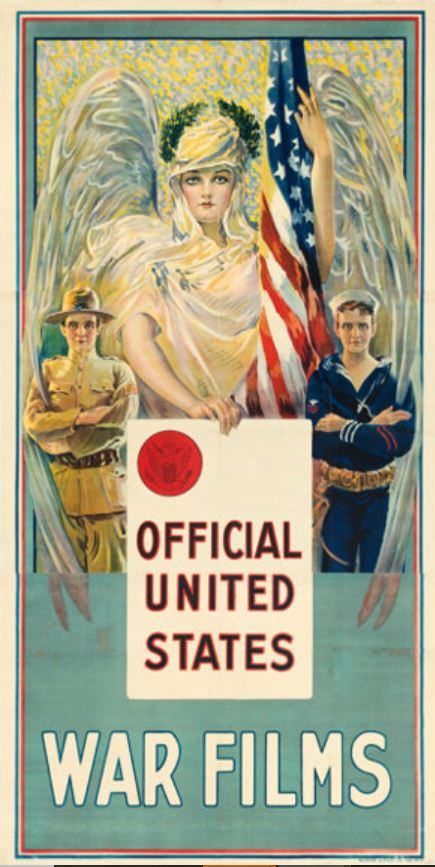
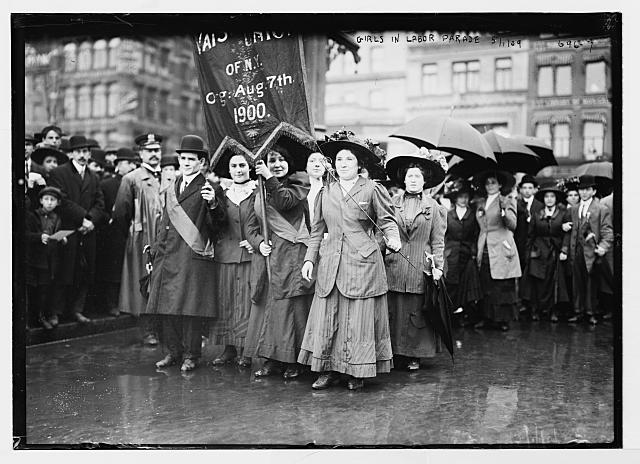
This installment, 'Allies' Official War Review, No. 25,' transcends mere reportage, offering a meticulously curated, albeit propagandistic, tableau of the Great War's unfolding saga. It commences with a powerful visual overture, a montage of national resolve, showcasing the stoic determination etched on the faces of soldiers departing for the front, alongside the burgeoning industrial might mobilizing on the home front. The narrative then plunges into the visceral reality of trench warfare, not in its unvarnished brutality, but through a lens that emphasizes the strategic ingenuity and resilience of the Allied forces. We witness the meticulous logistics of supply lines, the camaraderie forged in the crucible of conflict, and the nascent technological advancements—from early armored vehicles to aerial surveillance—that were rapidly reshaping the battlefield. The film deftly navigates different theatres, presenting vignettes of naval prowess in the perilous Atlantic and the burgeoning aerial ballet above the Western Front. Crucially, it dedicates significant screen time to the home front's indispensable contributions, illustrating women's pivotal roles in munitions factories and agriculture, thereby framing the war as a collective national endeavor rather than solely a military one. Despite its inherent bias as an official review, the compilation inadvertently captures the monumental scale of human organization and sacrifice, painting a compelling, if sanitized, portrait of a world irrevocably transformed by global conflict, culminating in a powerful, albeit hopeful, message of eventual triumph.
Review Excerpt
"
Stepping back into the annals of early cinematic history, particularly to a piece like 'Allies' Official War Review, No. 25', is akin to sifting through archaeological layers of national consciousness. This isn't merely a film; it's a historical artifact, a carefully constructed narrative designed to shape public perception during one of humanity's most cataclysmic conflicts. To approach it with the detached perspective of a modern critic is to acknowledge its dual nature: both as a documen..."