DbcultAccessing Vault...
Cult Review
Senior Film Conservator
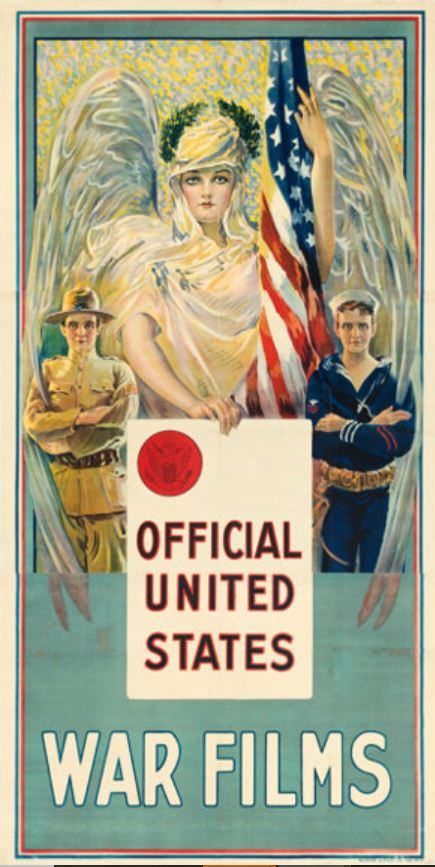
Stepping back into the annals of early cinematic history, particularly to a piece like 'Allies' Official War Review, No. 25', is akin to sifting through archaeological layers of national consciousness. This isn't merely a film; it's a historical artifact, a carefully constructed narrative designed to shape public perception during one of humanity's most cataclysmic conflicts. To approach it with the detached perspective of a modern critic is to acknowledge its dual nature: both as a document of its time and as a masterclass in early propaganda. The absence of traditional cast or writers, as we understand them today, underscores its collective authorship, a reflection of the national effort it sought to embody and inspire. It is a testament to the power of the moving image, even in its nascent form, to galvanize, inform, and persuade.
The film opens not with grand pronouncements, but with a series of vignettes meticulously crafted to elicit a profound sense of national unity and purpose. We are presented with images of soldiers, not as individuals, but as archetypes of duty and sacrifice. Their faces, though often obscured by distance or the limitations of early cinematography, convey a resolute stoicism. This initial sequence is a powerful invocation, a visual pledge of allegiance that sets the emotional tone for the entire review. It’s an interesting contrast to more personal narratives of the era, such as the introspective struggles depicted in Livets konflikter, which explored the internal turmoil of individuals. Here, the individual is subsumed by the collective, their personal stories absorbed into the grander narrative of national survival.
One of the most striking aspects of 'Allies' Official War Review, No. 25' is its meticulous, almost surgical, approach to portraying the realities of the front lines. Rather than dwelling on the gruesome brutality that defined trench warfare, the filmmakers opted for a more strategic, almost clinical, presentation. We witness the logistical ballet of supply trains snaking their way through ravaged landscapes, the synchronized movements of troops advancing across muddy fields, and the ingenious construction of defensive fortifications. The emphasis is consistently on efficiency, organization, and the unwavering resolve of the Allied forces. This deliberate sanitization, while understandable for a propaganda piece, nonetheless offers a valuable glimpse into the public image the authorities wished to project. It avoids the raw, unfiltered horror, providing instead a narrative of controlled chaos and strategic foresight. This deliberate framing stands in stark contrast to later, more visceral war documentaries, but for its time, it was a masterful exercise in managing public sentiment.
The technological marvels of the era also receive considerable attention. Early tanks, lumbering behemoths of steel, are showcased as symbols of unstoppable progress, their formidable presence designed to instill confidence in the viewing public. Similarly, the nascent aerial combat, with biplanes engaged in daring dogfights, presents a thrilling, almost futuristic, dimension to the conflict. These sequences, while undoubtedly edited for maximum dramatic effect, capture the rapid pace of innovation spurred by the exigencies of war. One might draw a thematic parallel to the awe-inspiring, yet terrifying, technological advancements depicted in 20,000 Leagues Under the Sea, where human ingenuity is both a source of wonder and potential destruction. In the context of the 'War Review', however, technology is unequivocally presented as a tool for liberation and victory.
Beyond the battlefield, 'Allies' Official War Review, No. 25' dedicates substantial segments to the home front, a crucial element in forging a sense of collective responsibility. We are shown women toiling in munitions factories, their hands deftly assembling the instruments of war, and farmers working tirelessly to feed a nation at war. These scenes are not merely illustrative; they are an explicit acknowledgment of the civilian population's indispensable contribution to the war effort. The film implicitly argues that victory is not solely won by soldiers at the front, but by every citizen contributing their part. This emphasis on shared sacrifice and collective endeavor resonates deeply, transforming the war from a distant conflict into a personal mission for every viewer. It's a powerful message that transcends the immediate conflict, speaking to the enduring human capacity for resilience and solidarity in times of crisis.
The editing, while rudimentary by today's standards, demonstrates a nascent understanding of cinematic rhythm and emotional pacing. The cuts between different fronts, from the muddy trenches to the bustling factories, are designed to maintain viewer engagement and underscore the global nature of the conflict. The intertitles, often declarative and emotionally charged, serve as a narrative backbone, guiding the audience through the various segments and reinforcing the intended message of Allied strength and eventual triumph. These textual interventions are not merely informational; they are rhetorical devices, carefully crafted to shape interpretation and foster a particular emotional response. One could argue that the clarity of purpose, even if simplistic, is more effective than the convoluted narratives found in some fictional works of the period, such as the often-misunderstood motivations in In the Bishop's Carriage.
The film also provides subtle insights into the psychological landscape of the era. The constant portrayal of heroic action and unwavering morale, while undoubtedly a form of selective reporting, also reflects a societal need for optimism amidst profound despair. The 'War Review' served as a vital morale booster, a visual antidote to the grim realities filtering back from the front. It offered a vision of progress, of battles won, and of the ultimate righteousness of the Allied cause. This deliberate fostering of hope, even in the face of overwhelming odds, is a recurring theme in wartime narratives. It mirrors, in a broader sense, the individual's quest for meaning and purpose amidst adversity, a theme explored in a more personal context in films like The Light in Darkness, where characters grapple with their own internal battles.
However, to critically appraise 'Allies' Official War Review, No. 25' is to acknowledge its inherent limitations as a historical document. It is not an objective account, nor does it pretend to be. It is a carefully curated selection of images, designed to serve a specific political and social function. The absence of genuine suffering, the glossing over of strategic setbacks, and the monolithic portrayal of enemy forces as an undifferentiated 'other' are all hallmarks of wartime propaganda. Yet, even within these constraints, the film inadvertently reveals truths about the era: the sheer scale of human mobilization, the nascent power of mass media, and the profound impact of global conflict on every facet of society. It offers a window into the prevailing sentiments and the narratives deemed essential for national cohesion during a period of unprecedented upheaval.
The legacy of films like 'Allies' Official War Review, No. 25' extends far beyond their immediate purpose. They laid the groundwork for future documentary filmmaking, demonstrating the power of real-life footage to inform, persuade, and even manipulate. They are essential for understanding the evolution of cinematic language and its integral role in shaping public discourse. As we analyze this particular installment, we are not just watching a historical record; we are observing the birth of a powerful new medium's capacity to influence millions. It's a reminder that even the most seemingly straightforward reportage is, at its heart, a constructed narrative. The film's implicit 'answer' to the anxieties of its time, much like the explicit quest for resolution in The Answer, is one of steadfast determination and ultimate victory.
From a technical perspective, the cinematography, while constrained by the equipment of the time, often manages to capture moments of unexpected beauty and stark realism. The sweeping vistas of battlefields, though desolate, possess a certain stark grandeur. The close-ups, when they occur, fleetingly reveal the humanity beneath the uniforms. The use of natural light, often dictated by necessity, imbues many scenes with an authentic, unvarnished quality. One can discern the early attempts at dynamic camerawork, moving beyond static shots to create a more immersive experience for the audience. These rudimentary techniques foreshadow the sophisticated visual storytelling that would define later cinematic eras. It's a foundational text for understanding how filmmakers began to harness the expressive potential of the camera, even when their primary goal was informational or propagandistic.
The film’s portrayal of leadership is another fascinating aspect. While specific commanders are rarely highlighted, the overall impression is one of competent, decisive command. The actions depicted, from strategic planning sessions to troop movements, are framed as the result of clear-headed decision-making. This cultivates trust in the military hierarchy and reassures the public that the war is being managed effectively. It’s a deliberate counterpoint to any anxieties about mismanagement or incompetence, presenting a united front from top to bottom. This emphasis on capable leadership resonates with the quest for order and control seen in detective stories of the era, such as Detective Craig's Coup, where a strong figure brings resolution to chaos. Here, the chaos is on a global scale, and the leadership is presented as the primary force for restoring order.
In its closing moments, 'Allies' Official War Review, No. 25' culminates in a powerful, emotionally resonant message of unwavering optimism. The final sequences often feature triumphant imagery: flags unfurling, soldiers marching with renewed vigor, and a visual promise of eventual victory. This is the ultimate aim of the propaganda reel: to send viewers away with a reinforced belief in the righteousness of their cause and the inevitability of their triumph. It’s a carefully constructed emotional crescendo, designed to leave a lasting impression of hope and resolve. While some might view this as simplistic, it was undoubtedly effective in its time, providing a much-needed psychological boost to a weary populace. The enduring power of this message, even when viewed through a modern critical lens, speaks volumes about the human need for reassurance and a belief in a better tomorrow, a sentiment not entirely dissimilar to the quiet resilience of characters in Flower of the Dusk facing personal hardships.
The review, therefore, is more than a historical document; it is a cultural touchstone. It offers invaluable insights into the social, political, and emotional currents of a world at war. It allows us to understand not just what happened, but how those events were presented and perceived by the people living through them. Its study is crucial for anyone interested in the intersection of cinema, history, and propaganda. The film implicitly asks its audience to align with the presented reality, to become part of the collective effort, much like the subtle manipulations of perception in The Catspaw, albeit with a far grander and more overt purpose. It's a fascinating testament to the nascent power of the moving image to shape an entire generation's understanding of their world and their place within it.
Ultimately, 'Allies' Official War Review, No. 25' stands as a significant, if often overlooked, piece of cinematic history. It’s a powerful demonstration of how film, even in its earliest forms, was harnessed as a potent instrument of national will. It reminds us that every image, every cut, every intertitle served a deliberate purpose, designed to construct a particular reality for its audience. To watch it now is to engage in a dialogue across time, to understand the narratives that sustained nations through unimaginable conflict, and to appreciate the foundational role these early 'reviews' played in the evolution of both documentary and propaganda filmmaking. Its influence, though perhaps subtle, undeniably contributed to the public's understanding and endurance throughout the Great War, solidifying its place as a cornerstone of early 20th-century media. Even the seemingly ordinary individual, like His Majesty, Bunker Bean, would have been swept up in the grand narrative presented by such a compelling and widespread cinematic effort, demonstrating the pervasive reach of these official communications.
The sheer scale of the undertaking, producing these regular 'War Reviews,' speaks volumes about the commitment to maintaining public morale and disseminating official information. Each installment was a carefully calibrated update, a chapter in a sprawling, ongoing narrative of global conflict. This particular issue, No. 25, would have been received by an audience already familiar with the format, primed to absorb its messages of resilience and progress. It wasn't just news; it was a ritual, a shared experience that reinforced collective identity. The visual language employed, even with its primitive technology, was remarkably effective in conveying complex ideas and emotions. It fostered a sense of immediacy, making the distant front feel closer, and the abstract concept of 'war' feel tangible, yet manageable. This immersive quality, albeit controlled, was crucial for maintaining public engagement and support. It stands as a powerful testament to the nascent power of cinema as a tool for shaping national destiny.
The film’s historical value is immeasurable. It serves as a primary source for understanding the strategic communication efforts of the Allied powers during WWI. It illustrates the methods used to rally support, demonize the enemy, and present a unified, positive image of the war effort. For modern historians and film scholars, it offers a rich tapestry for analysis—from its visual rhetoric to its sociological impact. It's a stark reminder that media, even in its earliest forms, has always been a battleground for ideas and perceptions. The way it constructs heroism, for instance, is a study in itself, presenting soldiers as embodying universal virtues rather than individual personalities. This broad-strokes approach was essential for creating figures with whom a diverse audience could identify, fostering a sense of shared purpose that transcended social divides. The film, in its essence, is a carefully orchestrated performance, a grand theatrical production designed to play out on the global stage, with the future of nations as its ultimate prize. The courage and moral clarity it sought to project could be seen as a collective 'torch' being passed, much like the thematic undercurrents in The Torch Bearer.
In conclusion, while 'Allies' Official War Review, No. 25' may not offer the nuanced character development of a fictional drama or the objective realism of modern documentary, its significance lies in its historical context and its pioneering use of film as a medium for mass communication during a global crisis. It is a compelling, if biased, snapshot of a world grappling with unprecedented conflict, and a powerful demonstration of cinema's enduring capacity to shape hearts and minds. Its study enriches our understanding not just of the Great War, but of the very foundations of media influence.
IMDb 5.8
1930
Community
Log in to comment.