DbcultAccessing Vault...
Cult Review
Senior Film Conservator
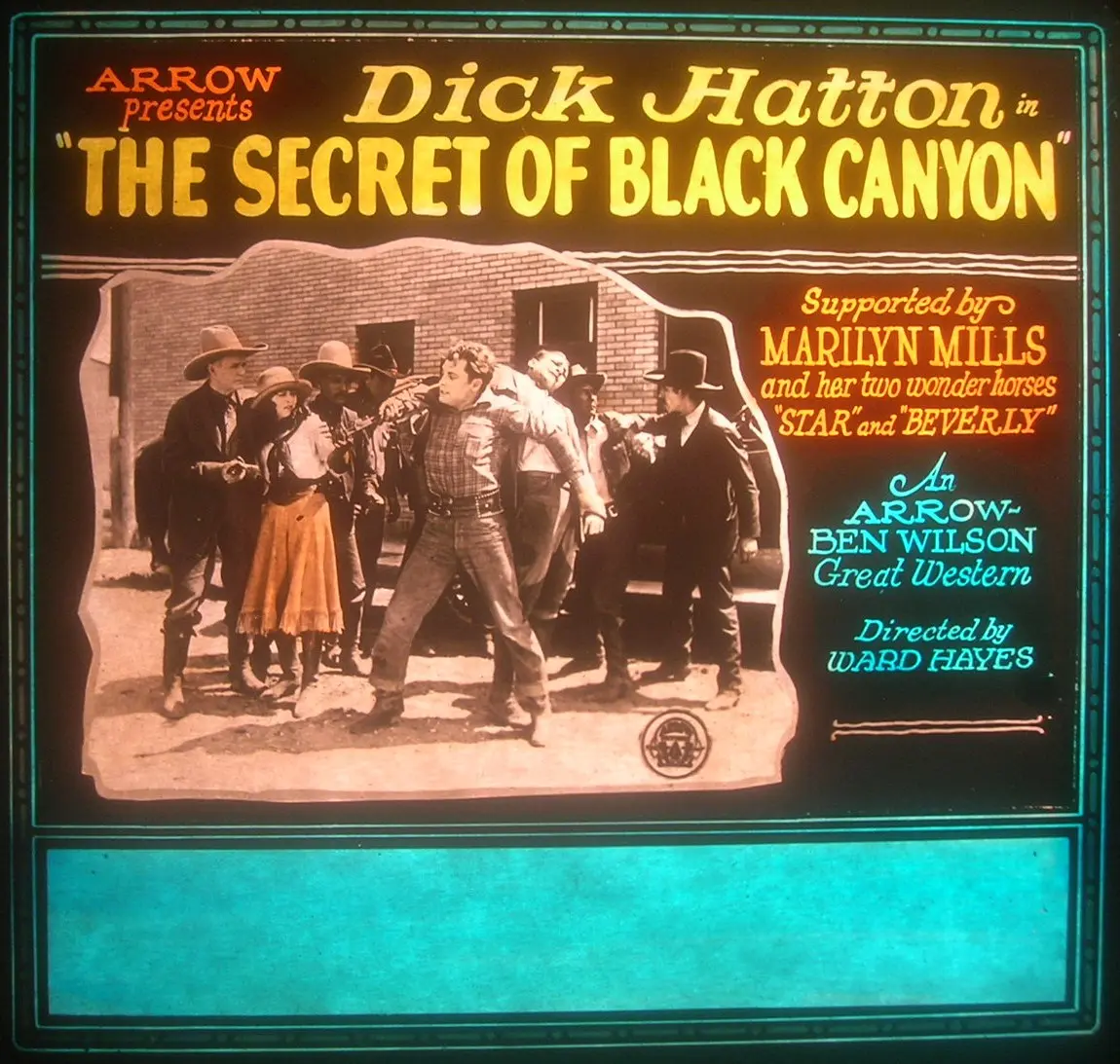
Is The Secret of Black Canyon worth unearthing from the vast cinematic archives today? Short answer: yes, but with significant caveats that demand a specific kind of viewership. This is a film for the dedicated historian, the silent film aficionado, and anyone genuinely curious about the foundational elements of the Western genre, not for casual viewers seeking modern narrative sophistication or high-octane thrills.
It's a journey back to the very roots of American storytelling on film, offering a raw, unvarnished glimpse into the tropes and techniques that would define an entire century of cinema. But if your cinematic palate leans towards contemporary pacing, complex character arcs, or dialogue-driven drama, you will find its silent, often melodramatic, charms elusive.
To engage with The Secret of Black Canyon is to step into a time capsule, a silent echo from an era when cinema was still finding its voice. Directed by an unknown hand and penned by P.G. Sleeman, this Dick Hatton vehicle embodies the quintessential early Western: a lone hero, a damsel in distress (or, in this case, an entire community in distress), and a clear-cut villain whose greed threatens the very fabric of frontier justice. It’s a simple story, told simply, yet its historical weight is undeniable.
The film works because it is an authentic, if rudimentary, example of genre filmmaking from its period. Its unpretentious narrative and reliance on visual storytelling offer a unique window into the nascent techniques that captivated audiences before the advent of synchronized sound. The stark beauty of its location photography, even through the haze of aged prints, manages to convey a sense of genuine wilderness that many studio-bound productions often missed.
However, this film fails because its technical limitations and the conventions of its time frequently overshadow its narrative potential. The pacing is often glacial, the characterizations broad to the point of caricature, and the dramatic beats are telegraphed with an earnestness that can feel almost comical to modern eyes. The relentless reliance on intertitles to convey exposition, while necessary, breaks any sense of fluid immersion.
You should watch it if you possess a deep appreciation for cinematic history, particularly the development of the Western, and are prepared to engage with a film on its own historical terms, forgiving its inherent anachronisms and technical shortcomings for the sake of its cultural significance.
The direction in The Secret of Black Canyon is functional, prioritizing clarity of action over artistic flourish. This isn’t a criticism, but an observation rooted in the practicalities of early filmmaking. The primary goal was to tell a story visually, and in this, the film largely succeeds. Scenes are framed to emphasize movement and the vastness of the Western landscape, often utilizing long shots to establish setting before moving into closer, albeit still somewhat distant, views of the actors.
There's a raw honesty to the cinematography that's hard to replicate. Shot on location, the film captures the rugged beauty of its setting with an almost documentary-like sensibility. The sun-drenched canyons and dusty plains are not just backdrops; they are active participants in the narrative, lending an air of authenticity that grounds the otherwise theatrical performances.
Consider the numerous horse-riding sequences. While perhaps lacking the dynamic cutting of later Westerns, they capture the genuine physicality of the era. The dust kicked up by the horses, the real effort of the riders – these are not special effects, but tangible elements of the film’s production. One particularly memorable chase scene, though extended, showcases the natural terrain as a formidable obstacle, making the pursuit feel genuinely perilous.
However, the camera work is largely static, a common trait of the period. Close-ups are sparse, and when they do occur, they often feel more like an interruption than an intimate reveal. This stylistic choice, while understandable, prevents deeper emotional connection with the characters, keeping the audience at a perpetual arm's length. The lighting, too, is predominantly natural, which adds to the realism but sometimes sacrifices dramatic chiaroscuro.
It’s a stark contrast to the sophisticated visual language that would develop even a decade later, with directors like F.W. Murnau pushing the boundaries of camera movement and expressionistic lighting. The Secret of Black Canyon remains firmly rooted in an earlier, more utilitarian approach, valuing clear exposition over visual poetry. And for its time, that was a perfectly valid, even necessary, artistic choice.
Dick Hatton, a prolific figure in early Westerns, embodies the stoic heroism expected of the genre. His performance as Jim is characterized by broad gestures and expressive facial movements, a necessity in the silent era where nuanced dialogue was absent. He’s the strong, silent type, capable of both decisive action and a comforting gaze, even if that gaze is often exaggerated for the camera.
Hatton's physicality is commendable. He rides well, handles himself convincingly in the rudimentary fight sequences, and projects an aura of dependable masculinity. His portrayal of Jim is less about internal conflict and more about external resolve, a clear-cut protagonist who embodies justice. There's a particular scene where he confronts Silas Thorne in the dusty saloon; Hatton's stiff posture and unwavering stare convey defiance more effectively than any intertitle could.
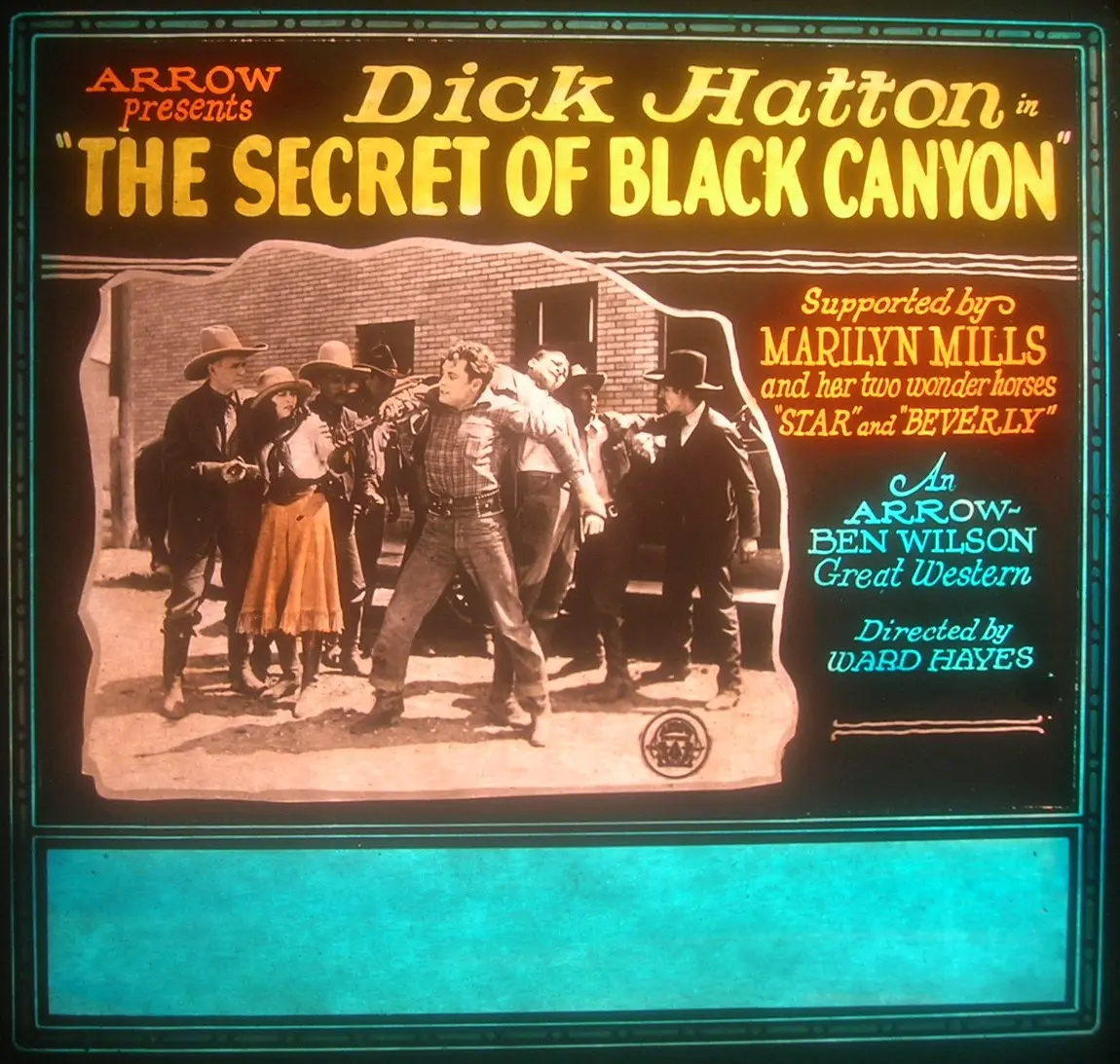
The supporting cast, while largely uncredited in the records, fulfills their archetypal roles with similar earnestness. The villain, Silas Thorne, is suitably sneering and menacing, his every appearance punctuated by gestures of avarice and cruelty. The female lead, whose family is at the heart of the conflict, portrays vulnerability and resilience with a dramatic flair typical of the period, often relying on melodramatic fainting spells or desperate pleas conveyed through wide eyes and clasped hands.
One could argue that the acting style feels dated, even simplistic. And it is. But to judge it by modern standards would be to miss the point entirely. These performers were pioneers, developing a new craft without the benefit of established conventions. They had to convey complex emotions and plot points through purely physical means, and in that context, their efforts are genuinely impressive. Hatton, in particular, carries the weight of the narrative with a rugged charm that makes his hero instantly recognizable, a blueprint for countless cowboys to follow.
It’s a style that demands patience, an understanding that emotional subtlety was often sacrificed for overt clarity. This isn’t the method acting of the mid-20th century; this is the raw, performative energy that captivated millions in nickelodeons across America.
The pacing of The Secret of Black Canyon is a deliberate, unhurried march through its narrative beats. Modern audiences accustomed to rapid-fire editing and constant plot twists will likely find it challenging. The film takes its time establishing the setting, introducing characters, and slowly building the conflict around the hidden gold and Thorne's nefarious plans. This slow burn, however, allows for a greater appreciation of the vast landscapes and the simple beauty of the practical stunts.
There are extended sequences of horse riding, long walks across the desert, and drawn-out confrontations that, while visually clear, lack the kinetic energy we now expect. The rhythm is dictated by the need to ensure every action, every reaction, is fully understood without the aid of spoken dialogue. This means pauses are longer, reactions more pronounced, and the overall narrative flow feels more like a staged play than a dynamic cinematic experience.
The film rarely deviates from its serious, dramatic intent, though moments of lightheartedness, often involving a comic relief character (if present, which is typical for the era), would have provided welcome breaks. Instead, the tension, while not always gripping, is consistently maintained through the visual representation of conflict and the dramatic intertitles.
This deliberate pacing is arguably its biggest barrier for contemporary viewers. It requires a shift in expectation, a willingness to surrender to a different kind of storytelling rhythm. But for those who do, it offers a meditative journey into a foundational genre.
Yes, if you are a film historian, a silent film enthusiast, or someone deeply interested in the origins of the Western genre. It offers invaluable insight into early cinematic techniques and storytelling. No, if you seek modern pacing, complex characters, or high-definition visual spectacle.
This film stands as an important historical document. It showcases the conventions, limitations, and surprising strengths of early cinema. While it certainly doesn't hold up to modern standards of entertainment in a casual viewing context, its value as a piece of cultural heritage is undeniable.
Watching it is an exercise in empathy for a bygone era of filmmaking. You learn to appreciate the ingenuity required to tell a story without spoken words, relying solely on visual cues, physical performances, and written intertitles. It’s a slow burn, but an educational one.
Compare it to something like The Darkening Trail or El caporal. The Secret of Black Canyon fits squarely into that early Western mold, prioritizing clear narrative progression over visual experimentation. It’s not groundbreaking, but it’s foundational.
The Secret of Black Canyon is not a film for everyone. It works. But it’s flawed. It’s a piece of living history, a testament to the formative years of cinema, and a fascinating look at how stories were told before the talkies arrived. Its value lies not in its ability to entertain a mass modern audience, but in its profound historical and academic significance. For those willing to adjust their expectations and engage with it as an educational experience, it offers a rewarding, if sometimes challenging, glimpse into the past. It’s a film that demands patience and rewards curiosity. While it may never achieve the widespread recognition of more polished silent classics, its place in the lineage of the Western genre is secure, a foundational stone in the dusty trail of cinematic history.
IMDb —
1917
Community
Log in to comment.