DbcultAccessing Vault...
Cult Review
Senior Film Conservator
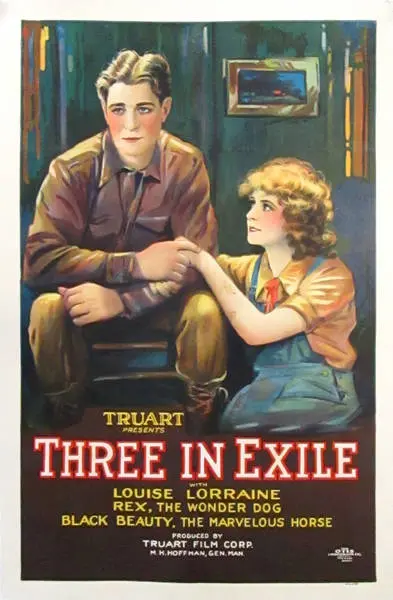
Is Three in Exile a hidden masterpiece of the silent era? Short answer: No, but it is an essential watch for those who value the kinetic energy of animal-led adventure over complex human plotting.
This film is for enthusiasts of early 20th-century B-westerns and fans of 'wonder animal' subgenres. It is absolutely not for those who require sophisticated dialogue (via intertitles) or moral ambiguity in their protagonists.
1) This film works because the physical coordination between Art Acord and the animal performers creates a sense of authentic peril that modern CGI simply cannot replicate.
2) This film fails because the narrative transition from a gritty fugitive drama to a domestic mining dispute is jarring and lacks a cohesive thematic bridge.
3) You should watch it if you want to see one of the best examples of how silent cinema utilized non-human actors to carry the emotional weight of a scene.
In the 1920s, the 'Wonder Dog' was a box-office titan, and Three in Exile leans heavily into this craze. While Art Acord provides the rugged human face of the film, it is Rex the Dog and Black Beauty who often dictate the pacing. The way director Eastel E. Gould frames these animals isn't merely as pets, but as equal members of a survival unit.
Consider the scene where the trio first encounters the stream. The camera lingers on the animals' reactions, prioritizing their relief over Flanders'. This choice highlights a specific era in filmmaking where the boundary between nature and civilization was a primary obsession. It reminds me of the raw environmental tension found in Two Moons, though with a more optimistic slant.
The animal performances are remarkably disciplined. Rex doesn't just bark; he communicates intent. Black Beauty isn't just a mount; he is a tactical asset. This isn't the sanitized animal acting of later decades. There is a roughness here—a sense that these creatures are actually navigating the harsh terrain alongside the crew.
Art Acord was a real-life rodeo champion, and it shows in every frame. Unlike the more polished stars of the era, Acord moves with a heavy, grounded realism. His portrayal of Art Flanders starts with a burst of violence that feels surprisingly modern. The fight with the foreman isn't a choreographed dance; it’s a desperate, ugly struggle.
This grittiness carries over into his 'exile' phase. Acord doesn't play the hero; he plays a man who is tired. This makes his eventual decision to help Lorraine Estes feel less like a knight-errant fantasy and more like a pragmatic choice for a man who has run out of places to hide. It’s a performance of exhaustion rather than bravado.
When compared to the lead in Big Dan, Acord’s Flanders is more internal. He doesn't seek out trouble; it finds him because he is a man of action in a world that demands bureaucracy. The way he handles the manual labor of the mining claim is shot with a focus on the sweat and the strain, grounding the film in a physical reality that contrasts with the more theatrical elements of the plot.
Tom London plays Jed Hawkins with a sneering efficiency that defines the B-western villain. He is the personification of greed, a man who sees the desert not as a place of freedom, but as a ledger of resources to be stolen. While the performance is standard for the time, London’s chemistry with the environment is notable.
The plot to dynamite the mine is the film’s narrative peak. It introduces a level of stakes that elevates the movie from a simple survival story to a high-tension thriller. The use of explosives in silent film always carries a certain 'real-world' weight because the audience knew the pyrotechnics were being handled on-site with minimal safety protocols.
The thwarting of the dynamiters is where the 'Three' in the title truly earns its keep. The coordination between Flanders, Rex, and Beauty during this sequence is a masterclass in silent editing. It’s fast, rhythmic, and clear. It lacks the convoluted plotting of something like Who Killed Simon Baird?, opting instead for pure, visceral action.
The cinematography in Three in Exile manages to make the desert feel both vast and claustrophobic. The wide shots of the trio wandering the dunes emphasize their isolation, while the tight shots within the mining claim focus on the domesticity they are trying to build. The lighting is harsh, as one would expect from location shooting in 1925, but it adds to the film's rugged charm.
There is a specific shot of Black Beauty silhouetted against a ridge that is genuinely striking. It captures the spirit of the 'Old West' that was already disappearing when this film was made. The film serves as a bridge between the historical reality of the frontier and the mythologized version that would dominate Hollywood for the next fifty years.
The pacing, however, stumbles in the second act. The transition from the desert survival to the mining claim legalities feels like a different movie. It’s a common flaw in films of this era, such as The Third Degree, where the need for a 'civilized' ending often undermines the raw energy of the opening.
Yes, Three in Exile is worth watching for anyone interested in the evolution of action cinema. While the plot is predictable, the interplay between the human and animal actors is a fascinating relic of a time before heavy regulation. It offers a raw look at the physicality required of silent stars.
If you are looking for deep character studies or complex social commentary, you will be disappointed. However, if you want to see a dog tackle a villain and a horse outsmart a group of henchmen, this is top-tier entertainment. It is a film that understands its strengths and leans into them with unapologetic enthusiasm.
Pros:
- Authentic location shooting that captures the true scale of the desert.
- Art Acord provides a grounded, physical performance.
- The animal stunts are genuinely impressive and well-integrated into the plot.
- The film moves at a brisk pace, rarely lingering too long on unnecessary exposition.
Cons:
- The villain’s motivations are paper-thin.
- The domestic 'epilogue' feels forced and diminishes the characters' wild nature.
- Some intertitles feel redundant, explaining actions that are already clear on screen.
Three in Exile is a fascinating artifact. It works. But it’s flawed. The film is a testament to the era's obsession with the 'natural' hero—the man who finds his true self only when stripped of society's trappings. While the ending caves to the period's demand for a 'happily ever after' (complete with puppies and babies), the first two-thirds of the film offer a surprisingly stark look at survival.
The most surprising observation? The horse, Black Beauty, is treated with more dignity as a wild fugitive than as a domesticated pet. The final shot of him 'flirting' with a hobby horse is a bizarre, almost insulting downgrade for a character that just helped foil a dynamite plot. It’s a weirdly domestic end for a film that starts with a man nearly killing another with his bare hands. Despite this tonal whiplash, the film remains a compelling example of 1920s genre filmmaking that deserves a spot in the conversation alongside more famous contemporaries like Stop That Wedding or A Friendly Husband. It is a rough, dusty, and ultimately charming piece of cinema history.
IMDb 5.3
1934
Community
Log in to comment.