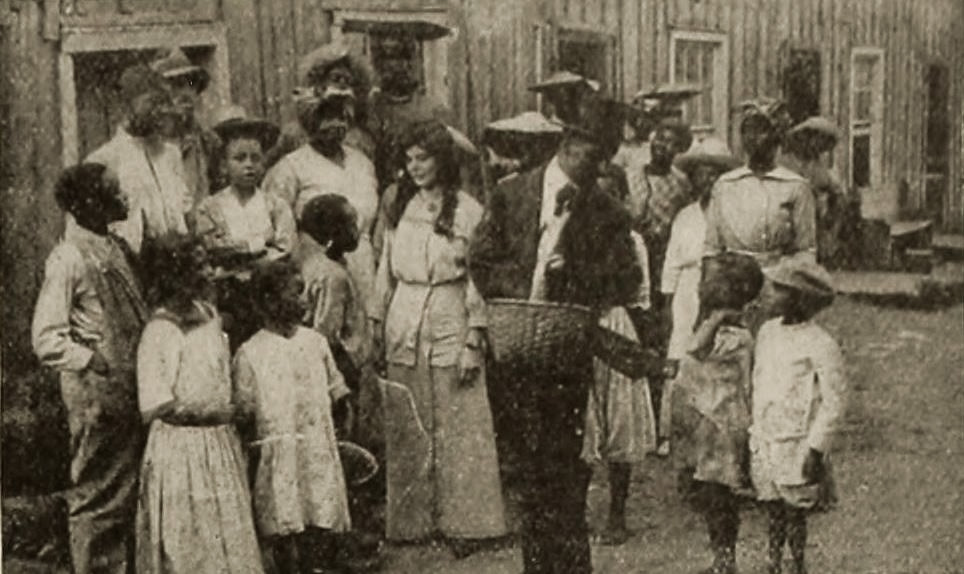
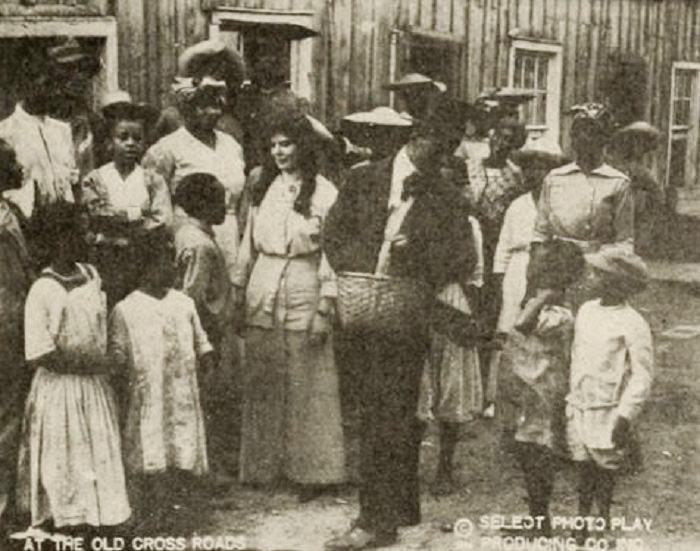
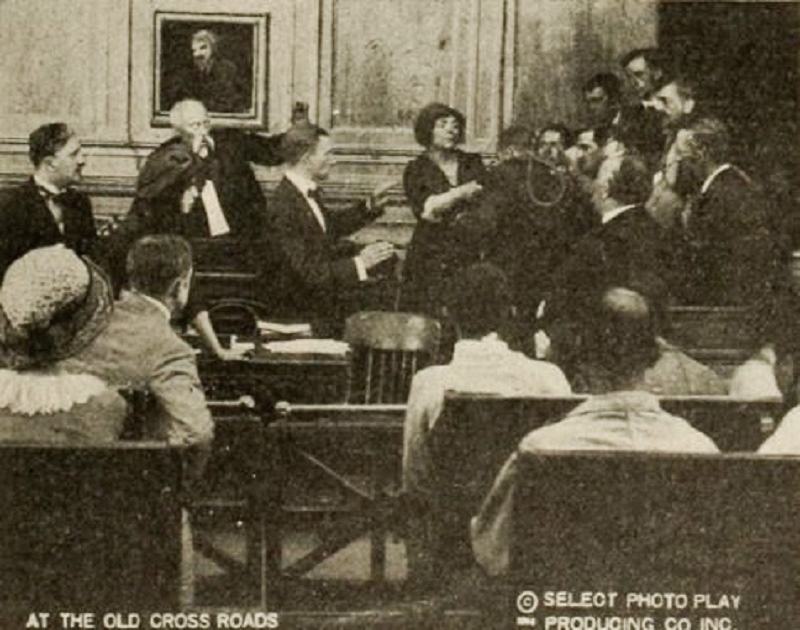
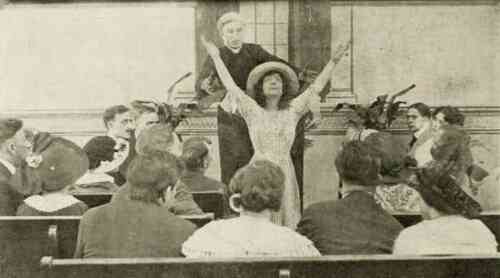
Silent cinema has always loved a fork in the path, but At the Cross Roads plants four of them beneath the audience’s ribcage and snaps them like matchsticks. Shot through with the acrid perfume of coal smoke and courtroom iodine, the picture opens on a tracking shot that feels like a trespass: the camera noses along ...

still_frame
still_frame
still_frame
still_frame
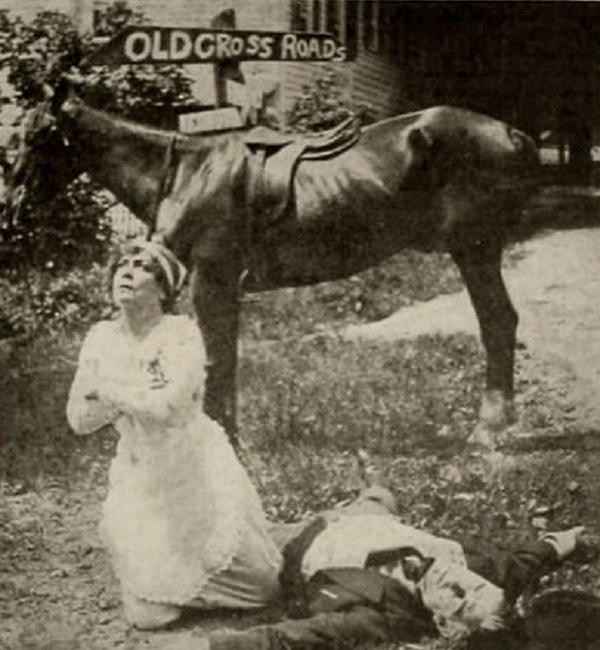
still_frame
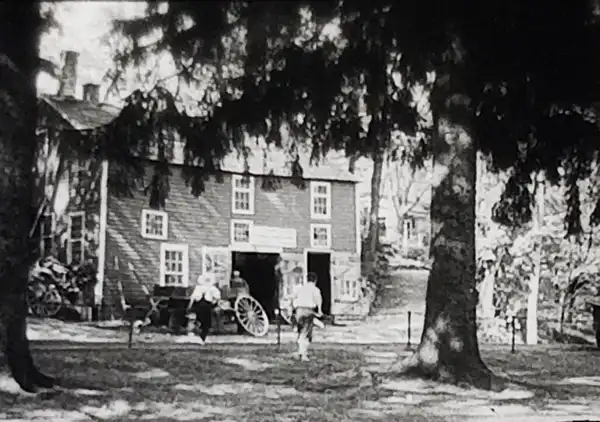
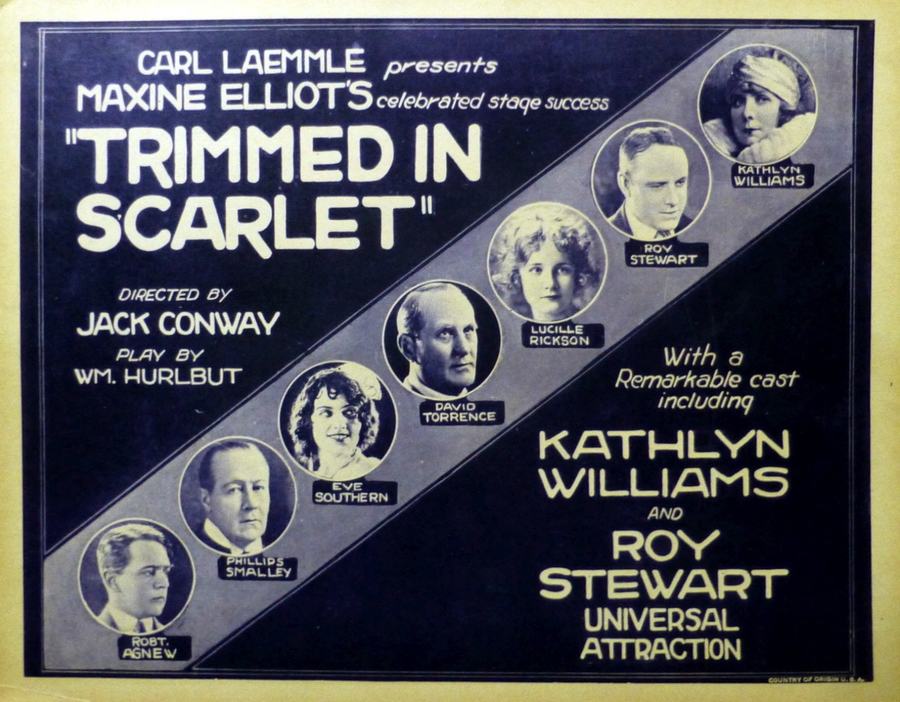
Comparing the cinematic DNA and archive impact of two defining moments in cult history.
Frank L. Dear
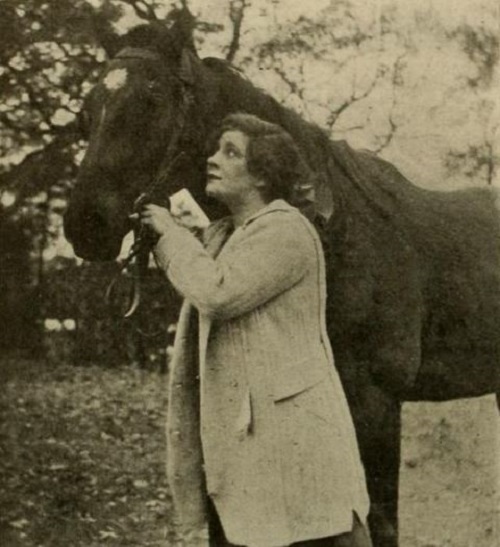
Frank L. Dear
Community
Log in to comment.
" Silent cinema has always loved a fork in the path, but At the Cross Roads plants four of them beneath the audience’s ribcage and snaps them like matchsticks. Shot through with the acrid perfume of coal smoke and courtroom iodine, the picture opens on a tracking shot that feels like a trespass: the camera noses along a cobblestone artery where arc-lights buzz like captive bluebottles. Esta Williams materializes out of the gloom, her cheekbones strobed by the nickelodeon marquee opposite. She is..."
Deep dive into the cult classic
Discover similar cinematic experiences
A Directorial Spotlight on Frank L. Dear
