The Mexican Revolt of 1910-1911..
H. Hood
United States
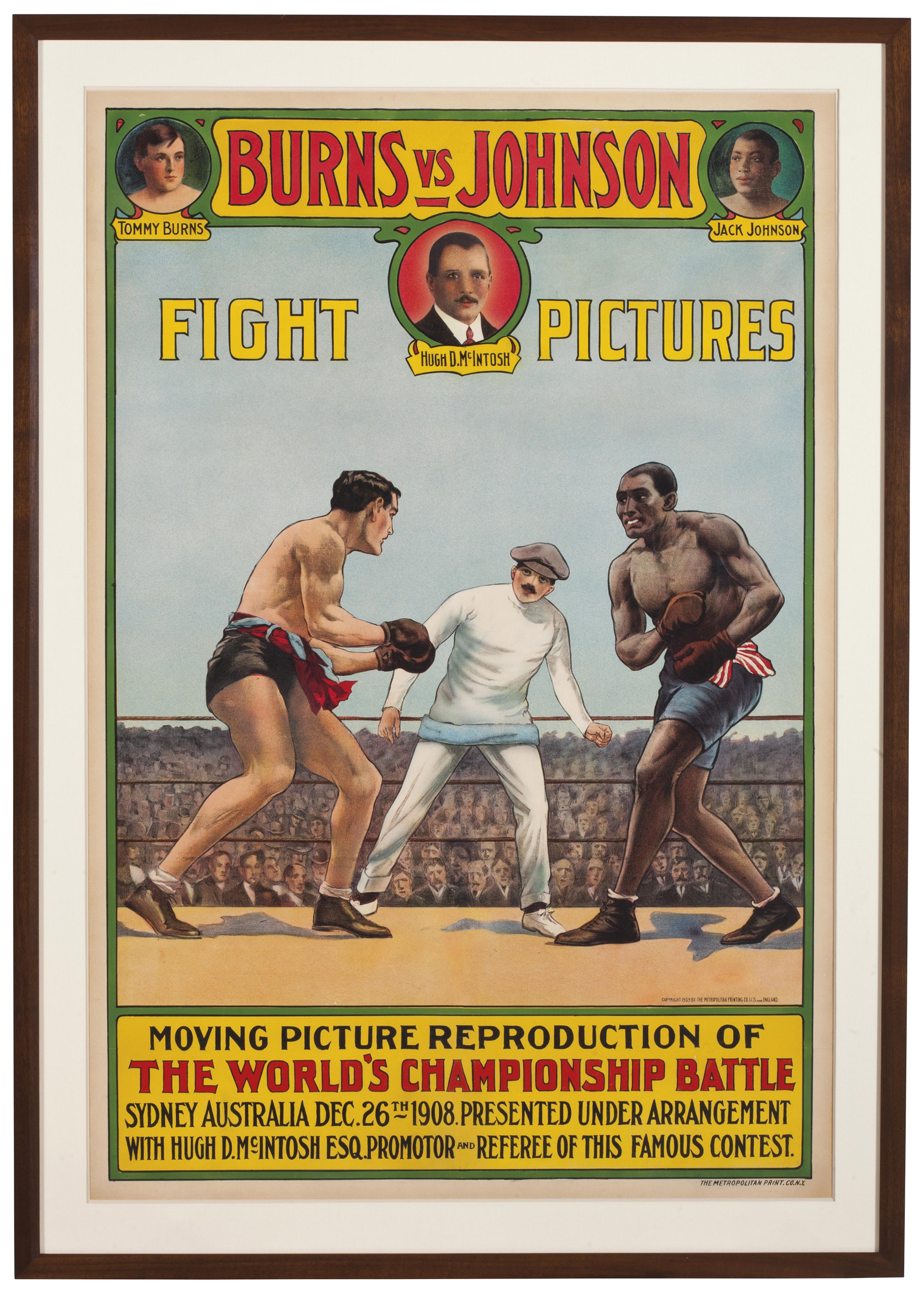
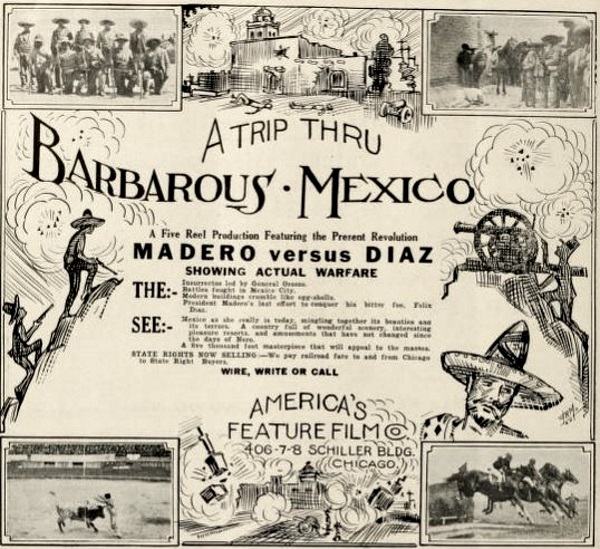
Imagine the year 1911: Europe teeters on the lip of modernism, Griffith is still tinkering with cross-cuts in Fort Lee, and out of a makeshift studio in Mexico City emerges Barbarous Mexico—a film that arrives like a live round across the sternum of polite cinema. H. Hood, an itinerant cameraman previously content to...
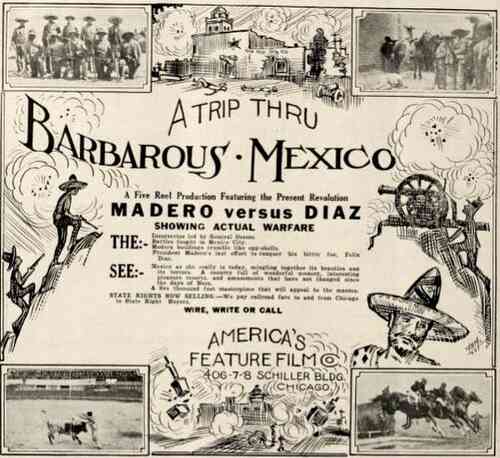
production_art
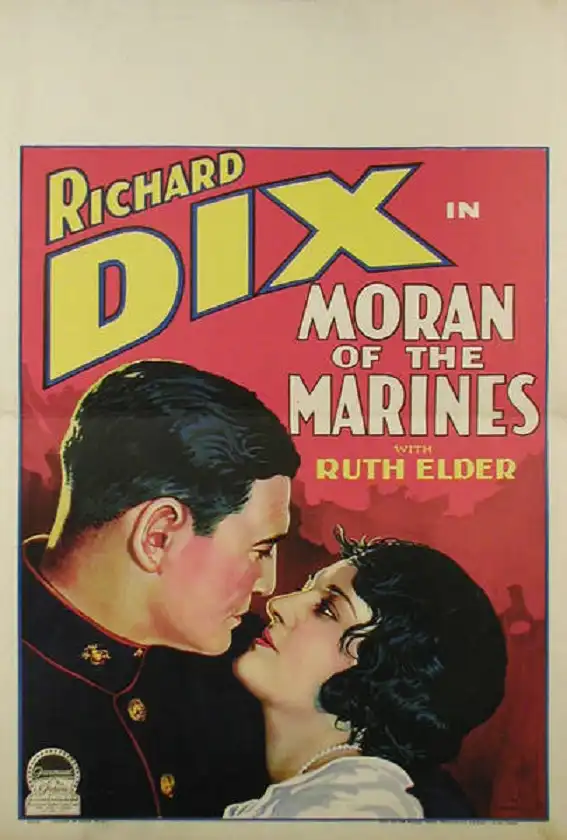
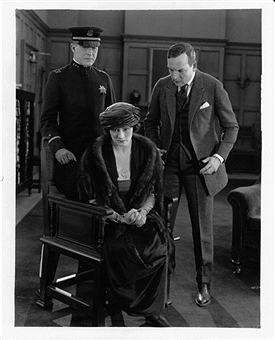
Comparing the cinematic DNA and archive impact of two defining moments in cult history.
Unknown Director

Unknown Director
Community
Log in to comment.
" Imagine the year 1911: Europe teeters on the lip of modernism, Griffith is still tinkering with cross-cuts in Fort Lee, and out of a makeshift studio in Mexico City emerges Barbarous Mexico—a film that arrives like a live round across the sternum of polite cinema. H. Hood, an itinerant cameraman previously content to chase boxing belts and royal processions, now trains his hand-crank on a country ripping itself open. The resulting images feel less like archival curios than shrapnel you can sti..."
Unknown Director