Summary
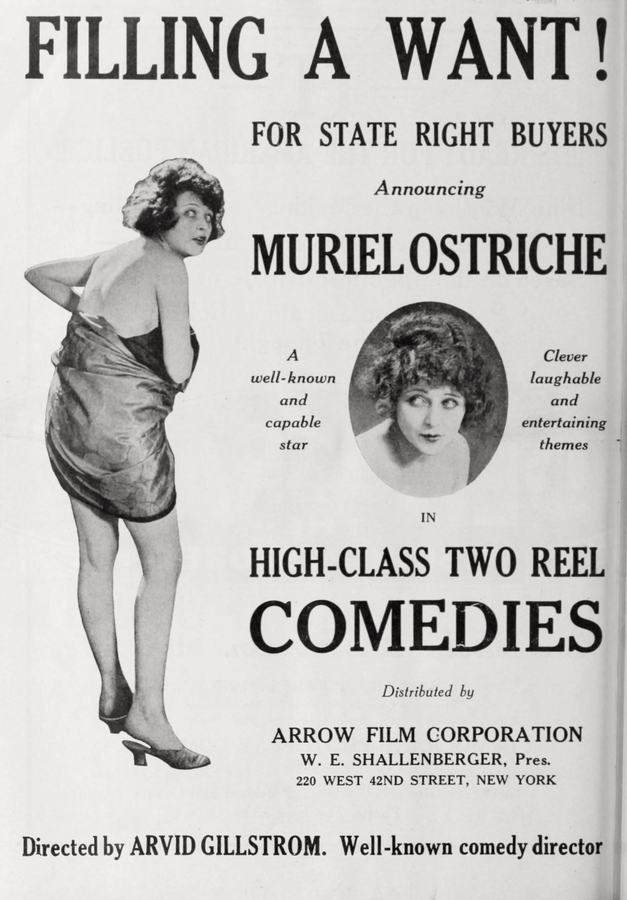
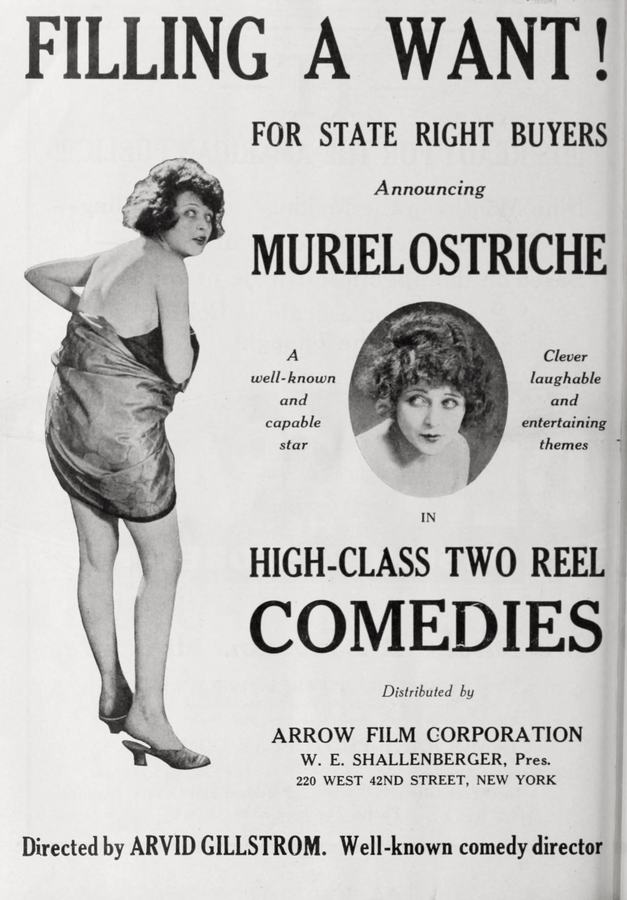
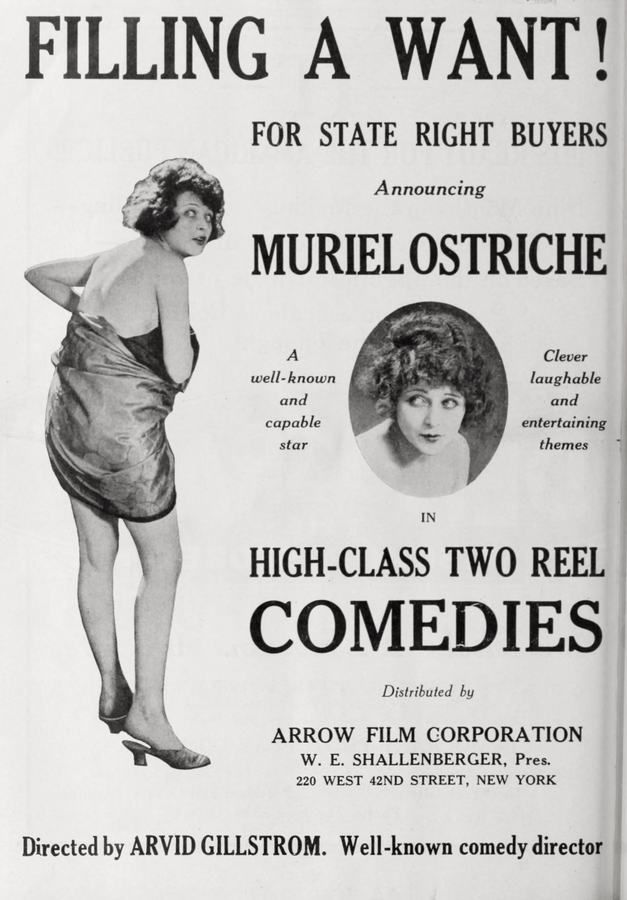
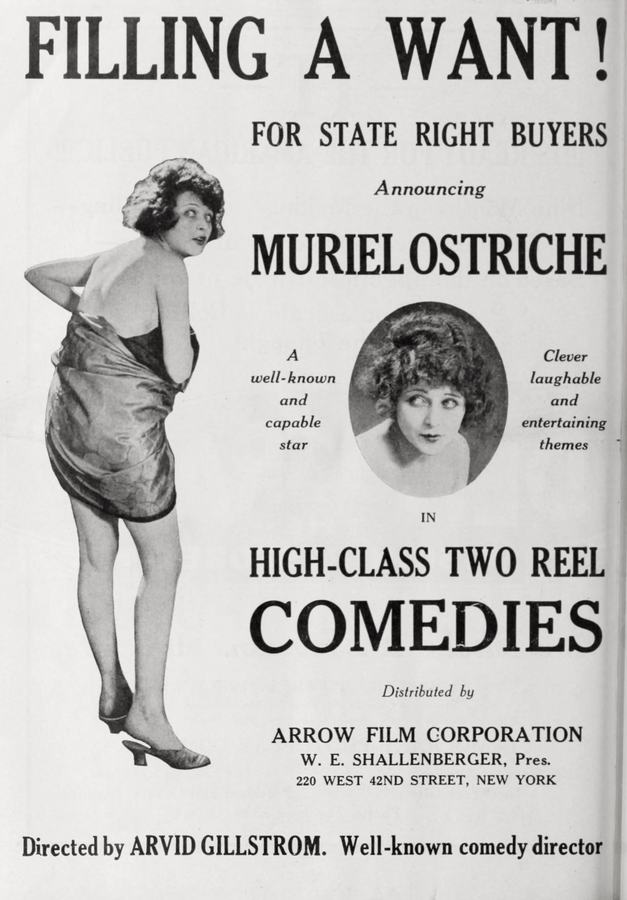
A lone roadster coughs asphalt dust across a sun-bleached Connecticut horizon, its scarlet paintwork glinting like fresh blood against a field of withered corn. At the wheel sits Betty Benton—silk scarf snapping, goggles fogged by equal parts ambition and perspiration—determined to outrun not merely the rival racers who snicker at her "petticoat pistons," but the gravitational pull of a 1915 world that insists a woman’s place is the parlor, not the pit. Behind her, the crumbling grandstand of the county fair—bunting faded to bruised lavender—echoes with the hollow applause of gamblers who have wagered their last nickel on her mechanical demise. Ahead, a ribbon of primitive macadam unfurls toward New York, promising prize money large enough to rescue her widowed mother from the bank’s leering foreclosure agent. Yet every sputter of the carburetor whispers sabotage: a loosened bolt here, a sugared tank there, the fingerprints of Preston Ward, silver-spoil heir and heir-apparent to the automobile conglomerate that views Betty’s independent garage as an embarrassing wart on the family ledger. Muriel Ostriche incarnates Betty with a kinetic cocktail of flapper ferocity and Victorian steel, her cheekbones cutting shadows sharp enough to slice the patronizing smiles off male lips. When oil meets gravel and her front tire explodes, Betty improvises a vulcanized tourniquet with her own garter belt, a moment so electrically pragmatic it could power the projector bulb. Meanwhile, Preston’s covert campaign escalates from schoolboy pranks to criminal conspiracy: a forged telegram announcing Betty’s disqualification, a staged newspaper photo implying moral turpitude, and finally the theft of her beloved racer under cover of darkness. The film’s visual lexicon toggles between Keystone slapstick velocity and Griffith intimacy: cross-cut chases through moonlit corn mazes, a hand-cranked camera bolted to a Model T chassis so the audience feels every rut, a single-take confession inside a lantern-lit barn where grease-streaked close-ups reveal Betty’s trembling lip yet unbroken gaze. In the climactic fifty-mile handicap, she reclaims her machine at the starting line, hood ornament snarling like a brass panther. Preston, desperate, commandeers a prototype speedster and roars beside her, tires howling like wolves in heat. For twelve wordless minutes the race becomes a Futurist canvas—blur of spokes, flurry of semaphore flags, dust clouds that turn the lens into a pointillist fog. Betty wins by the length of a petticoat hem, but instead of basking, she turns her trophy into collateral, buys back her mother’s mortgage, and rechristens her garage "Benton & Daughter—Repairs While U Wait." Preston, defeated yet oddly exhilarated, tips his cap, acknowledging that the new century has just shifted gears.
Review Excerpt
"
p,li{margin-bottom:1em;}
a{color:#0E7490;text-decoration:none;border-bottom:1px dotted #0E7490;}
a:hover{color:#EAB308;border-color:#EAB308;}
blockquote{border-left:4px solid #C2410C;padding-left:1em;margin:1.5em 0;font-style:italic;color:#EAB308;}
h2{color:#C2410C;font-size:1.8em;margin-top:1.4em;}
h3{color:#EAB308;font-size:1.4em;margin-top:1.2em;}
ul{list-style:square inside;margin-left:0;padding-left:1em;}
strong{color:#EAB308;}
em{color:#0E7490;}
There’s a moment—about seventeen minutes..."