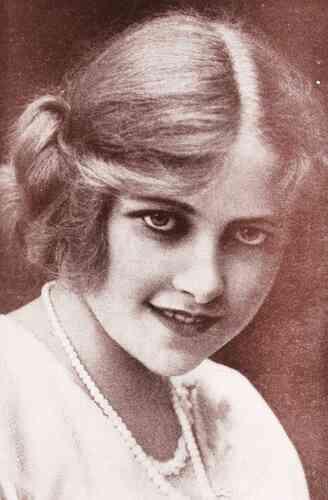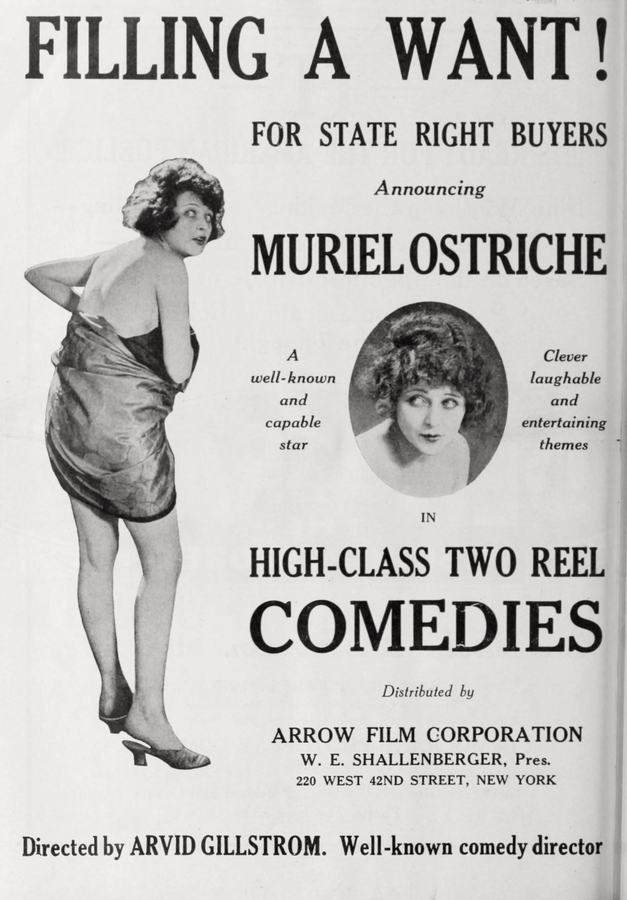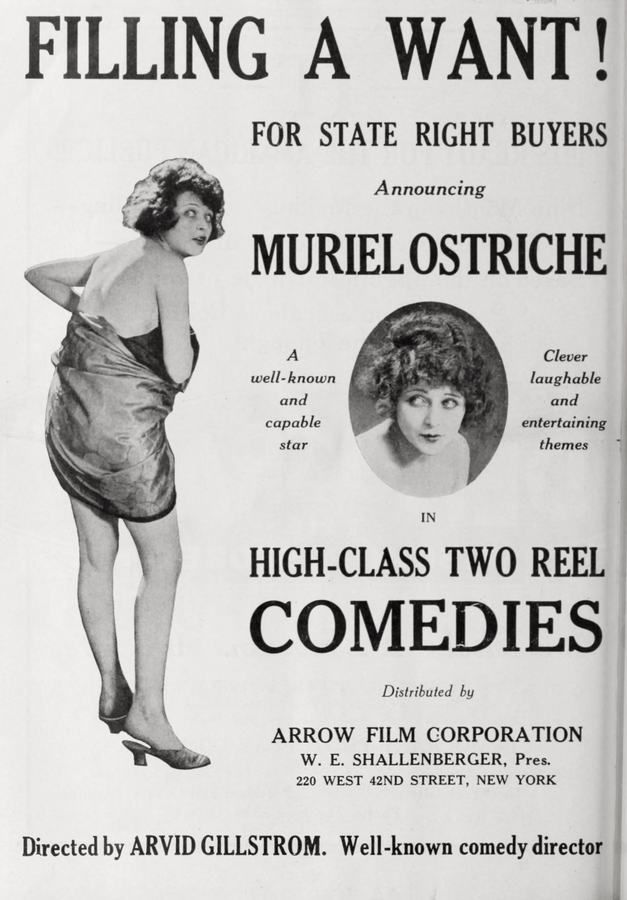
There are performances that act, and performances that haunt—Muriel Ostriche’s Betty belongs to the latter phylum, a celluloid succubus still humming with erotic static more than a century after her reel debut. Viewed today through the brittle mercy of a 2K scan, Betty, the Vamp crackles like a Tesla coil flung into a...

behind_the_scenes
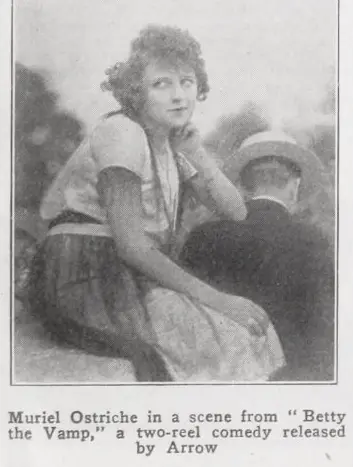
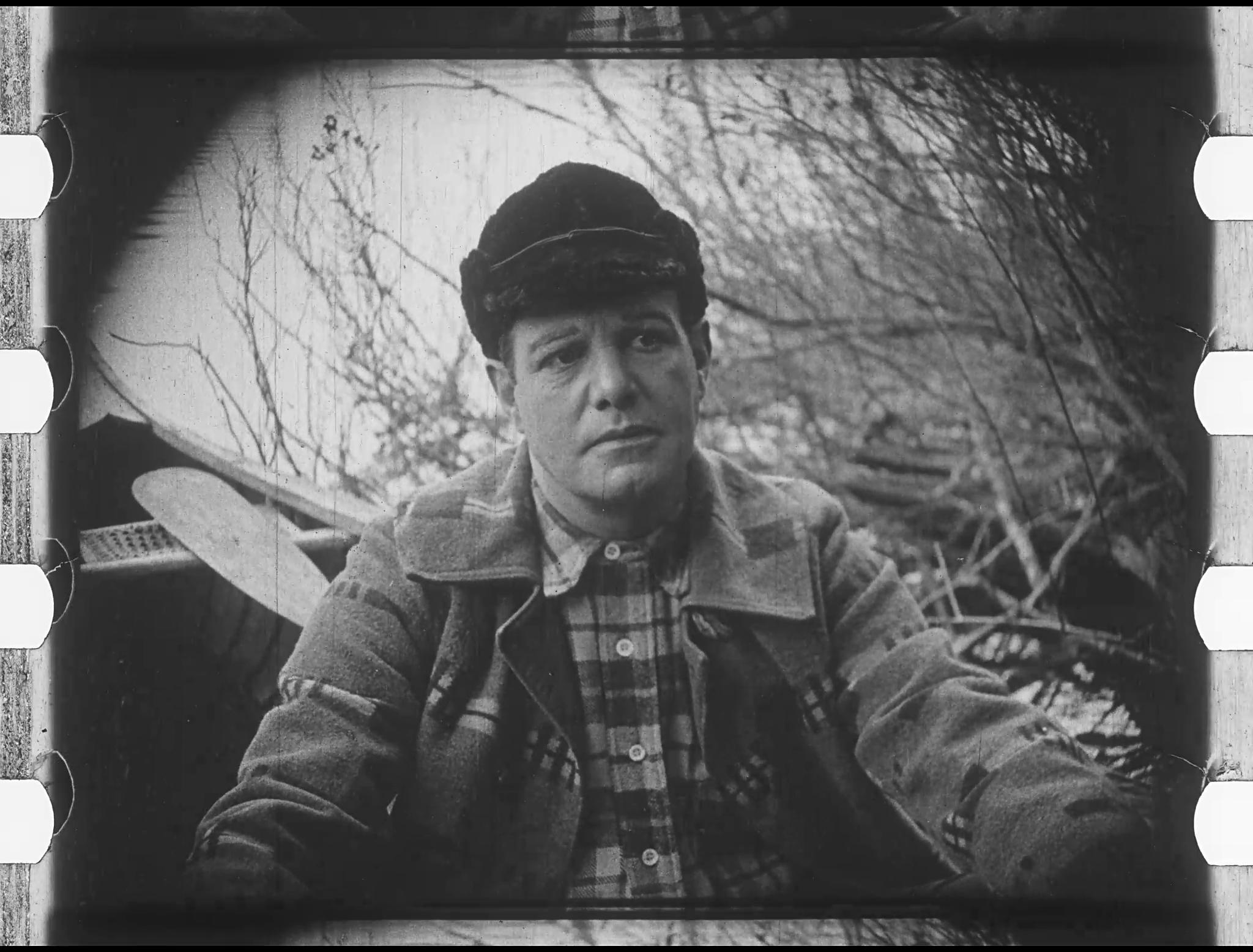
still_frame
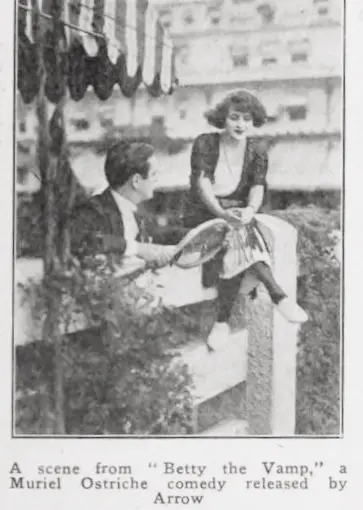
still_frame
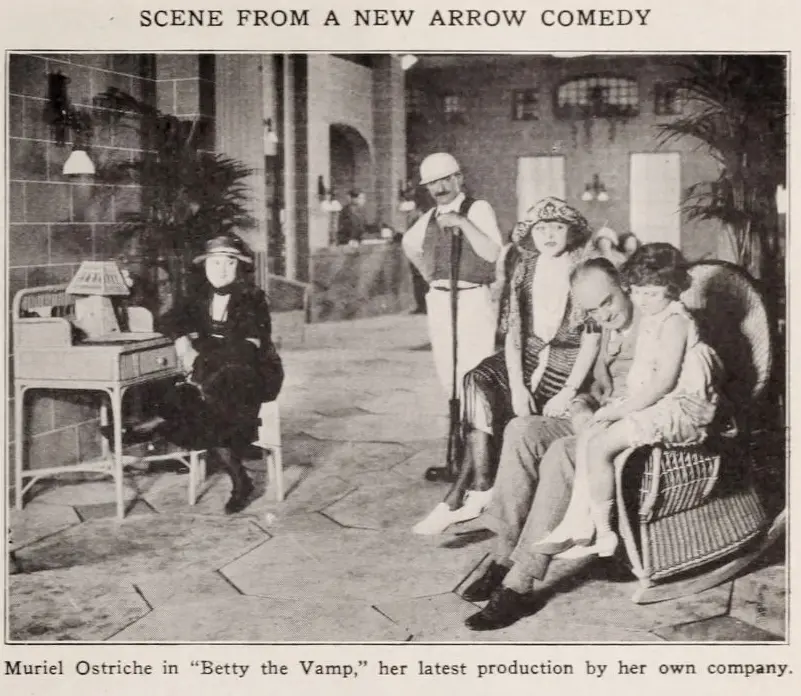
still_frame

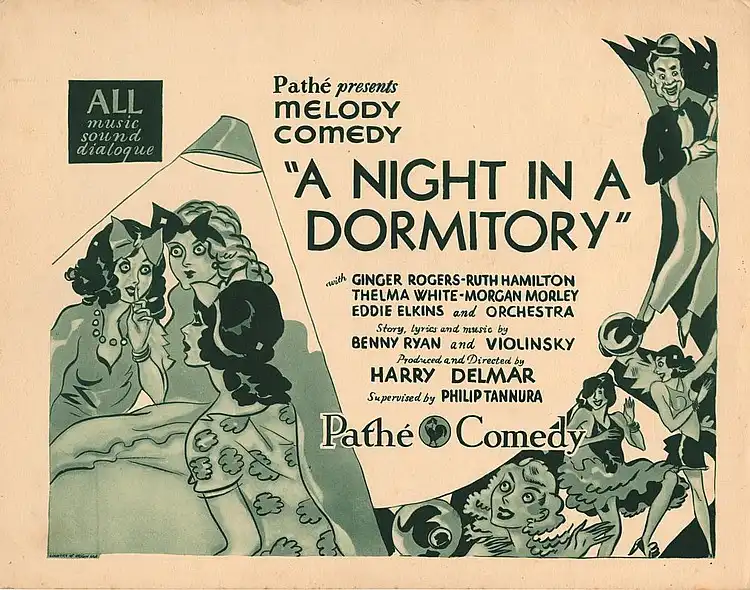
Comparing the cinematic DNA and archive impact of two defining moments in cult history.
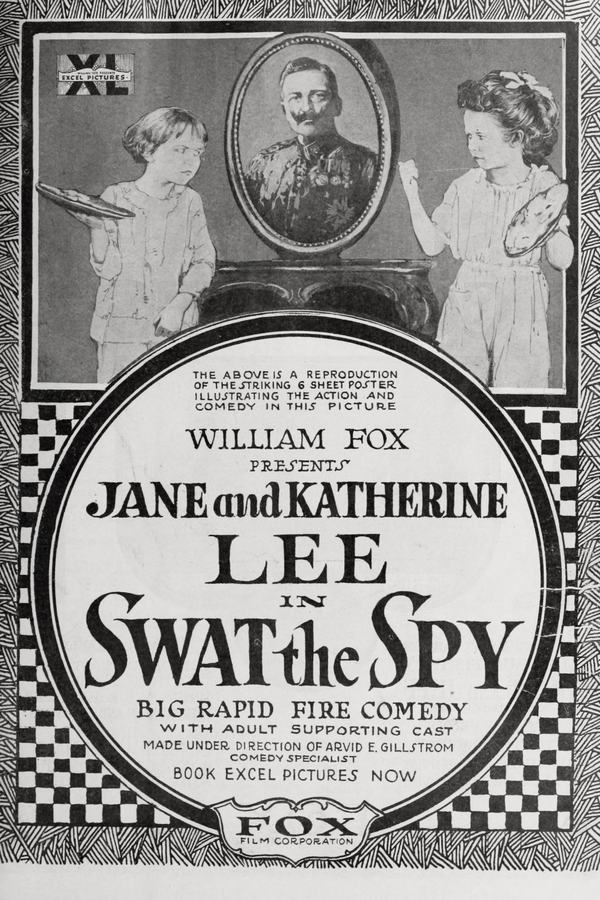
Arvid E. Gillstrom
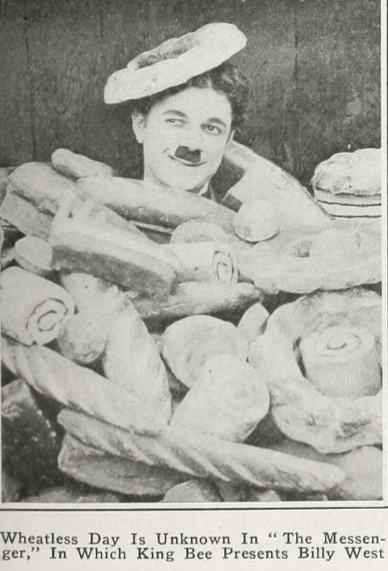
Arvid E. Gillstrom
Community
Log in to comment.
" There are performances that act, and performances that haunt—Muriel Ostriche’s Betty belongs to the latter phylum, a celluloid succubus still humming with erotic static more than a century after her reel debut. Viewed today through the brittle mercy of a 2K scan, Betty, the Vamp crackles like a Tesla coil flung into a Victorian parlour. The film’s very emulsion seems aroused, each frame flushed with the fever of a nation stumbling from Gibson-Girl propriety into the Jazz Age abyss. Director/wri..."


Deep dive into the cult classic
Discover similar cinematic experiences
A Directorial Spotlight on Arvid E. Gillstrom