DbcultAccessing Vault...
7/10
Senior Film Conservator
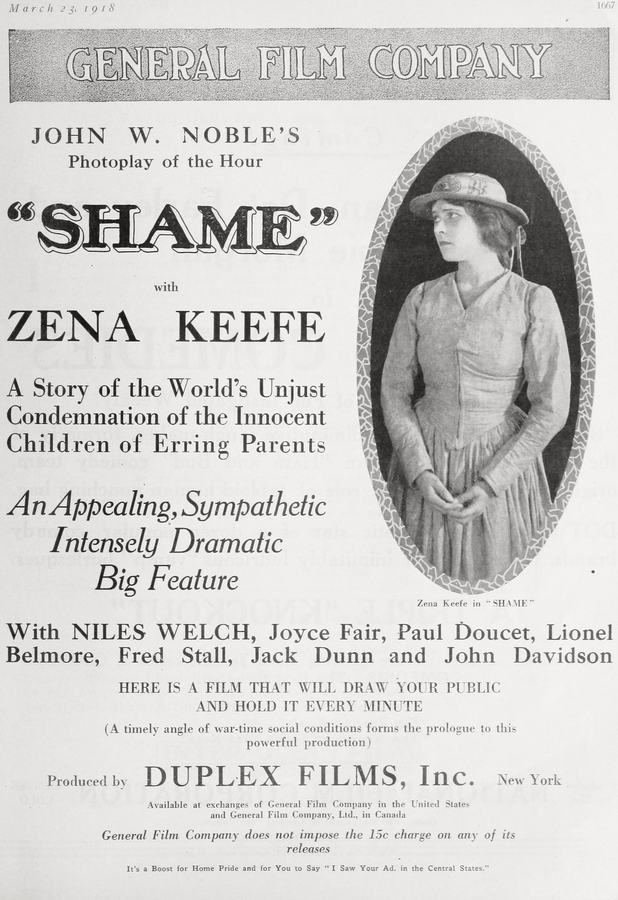
A definitive 7/10 rating for a film that redefined the boundaries of cult cinema. Shame remains a cornerstone of transgressive art.
In the vast tapestry of early 20th-century cinema, where narratives often served as moral parables or dramatic escapades from the mundane, Shame (1917) emerges as a particularly poignant and searing indictment of societal hypocrisy and the arbitrary cruelties inflicted upon the vulnerable. This cinematic artifact, penned by John W. Noble, delves deep into the devastating repercussions of a single, unforgivable transgression in the eyes of a rigid society: illegitimacy. It's a film that, even a century later, resonates with a stark emotional power, reminding us that the human heart, for all its capacity for love, can be equally marred by prejudice and the fear of social censure. The narrative unfurls with a grim inevitability, painting a portrait of a young life irrevocably shaped by circumstances beyond her control, forcing audiences to confront uncomfortable truths about justice, compassion, and the true meaning of honor.
The film's genesis is rooted in the tumult of the Spanish-American War, a conflict that serves not merely as a historical backdrop but as a catalyst for personal devastation. John Grey, a man of duty and conviction, enlists, leaving behind his sweetheart, Mary. Their love, though fervent, remains unsanctified by legal union, a detail that will prove tragically consequential. Mary discovers her pregnancy, a revelation that should herald joy but instead casts a long, ominous shadow, especially when news arrives of John’s untimely demise on the battlefield. This initial tragedy sets a somber tone, immediately immersing the viewer in a world where fate deals cruel hands with dispassionate regularity. The mother, Mary, succumbs to the weight of her circumstances, leaving her infant daughter, Little Mary, adrift in a world that has already judged her. This orphan's journey begins not with a blank slate, but with a societal scarlet letter invisibly etched upon her very being.
Little Mary's subsequent placement in an orphanage is a stark commentary on the era's social safety nets—often more akin to holding pens than nurturing environments. Her adoption by the farmer Peters, a character whose villainy is etched in the very fabric of his being, marks a descent into a form of indentured servitude. Here, the film echoes the grim realities depicted in works like The Two Orphans, where the vulnerability of children without familial protection is mercilessly exploited. Peters is no benevolent guardian; he is a taskmaster, extracting labor from a child, effectively turning her into a chattel. This period of Mary's life is a crucible of hardship, forging a resilience born of desperation. The desolate rural landscape, reminiscent of the struggles portrayed in The Plow Woman, amplifies her isolation, highlighting the sheer physical and emotional toil she endure.
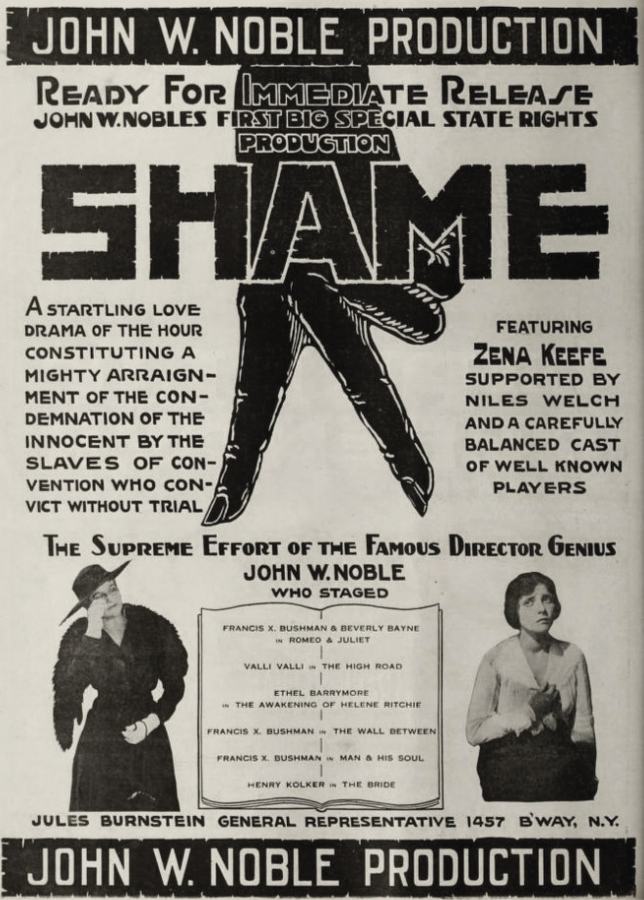
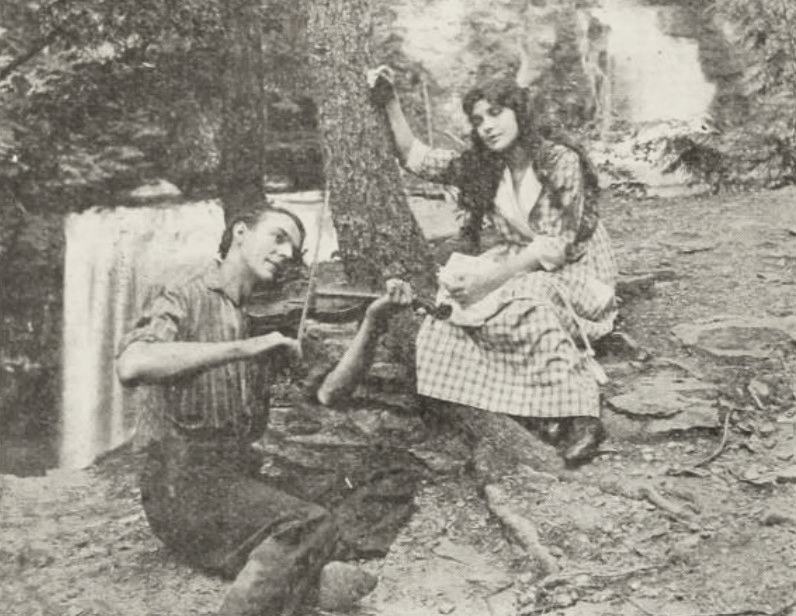
Amidst this oppressive existence, a singular ray of humanity pierces the gloom: Seppe, the hunchback farmhand. Seppe, himself a product of similar, unacknowledged parentage and burdened by a visible deformity that marks him as an outsider, recognizes a kindred spirit in Mary. His physical 'shame' is a parallel to Mary's invisible social stigma. Their bond is one of profound empathy and shared suffering, a silent pact against a world that has discarded them both. Seppe's character is crucial; he embodies unconditional loyalty and a fierce protective instinct, qualities that stand in stark contrast to the transactional and cruel nature of Peters. Their escape to the city is not merely a physical journey but a symbolic quest for dignity and a chance at self-determination, a desperate gamble for a life free from the shackles of their past.
The urban environment initially offers Mary a semblance of hope and purpose. Finding work at Dr. Strong's hospital, she enters a sphere of healing and service, a stark departure from the brutal exploitation of the farm. Here, her innate compassion and work ethic shine, attracting the attention of Donald Strong, the doctor's son. Their romance blossoms, a tender bloom against the backdrop of her scarred past. Donald represents everything Mary has been denied: social acceptance, legitimate love, and a future free from want. His marriage proposal is not just an offer of love, but a lifeline, a promise of integration into a respected social stratum, an erasure of the 'shame' that has defined her existence. It is the dream of a conventional, respectable life, finally within reach.
However, the past, as the film powerfully illustrates, is not easily shed. The reappearance of Peters, the malevolent specter from Mary's youth, shatters this fragile idyll. His sole purpose is to reclaim his "property," but in doing so, he weaponizes the truth of Mary's birth. The revelation of her illegitimacy acts like a poison, instantly corroding Donald's affection and commitment. Despite his professed love, the rigid social conventions of the era prove insurmountable for him. Donald, a product of his privileged upbringing, recoils from the perceived stain on his family's reputation. This moment is a brutal commentary on the superficiality of societal 'honor' and how easily personal affection can be overridden by the fear of social ostracism. It's a stark reminder that even well-meaning individuals can be prisoners of their time's prejudices, prioritizing status over genuine human connection.
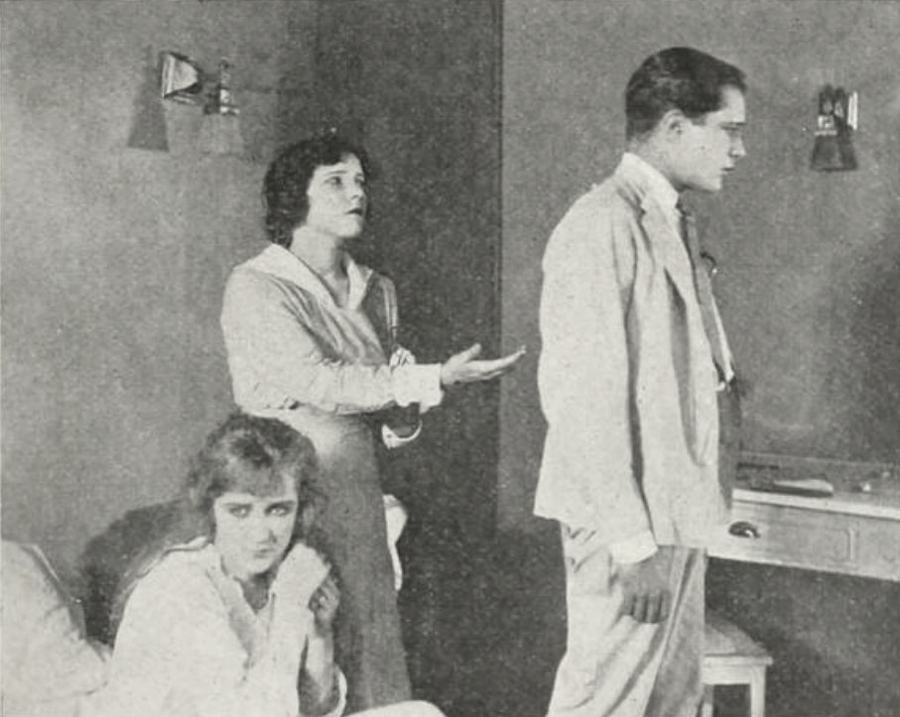
In the ensuing chaos, Seppe's unwavering loyalty shines brightest. Witnessing Mary's distress and Peters' relentless cruelty, he acts instinctively, shooting the farmer. While the wound is minor, the act itself is a profound statement of protection, a desperate attempt to sever the ties that bind Mary to her tormentor. This dramatic turn of events, a violent eruption against injustice, jolts Donald from his complacency. The visceral shock of the incident forces him to confront the moral implications of his decision, prompting a reevaluation of his superficial prejudices. He begins to see Mary not through the lens of her birth, but through the crucible of her suffering and the fierce devotion she inspires in others. The legal ramifications are quickly resolved; Mary and Seppe are freed from Peters' claim and the law's grasp.
Yet, the film's climax delivers its most profound and heartbreaking twist. Despite Donald's change of heart and the removal of all external obstacles, Mary makes a choice of extraordinary self-sacrifice. She refuses to compromise Donald's reputation, understanding that even with his acceptance, the shadow of her past would forever linger, a potential source of gossip and social discomfort for him. In a display of profound dignity and love that transcends personal desire, she chooses to retreat from his world, returning to the quiet solitude of the countryside with Seppe. This act of renunciation elevates Mary from a victim of circumstance to a figure of immense moral fortitude. It is a testament to a love so pure that it prioritizes the beloved's well-being and societal standing above her own happiness. This selfless act resonates with the spirit of devotion found in films like Greater Love Hath No Man, where profound sacrifices are made in the name of a higher, more enduring love. Her decision is not one of defeat, but of quiet triumph, a reclamation of her own agency in the face of insurmountable social barriers.
The performances, characteristic of the silent era, rely heavily on exaggerated expressions and gestures, yet within this stylistic framework, the cast of Shame manages to convey a remarkable depth of emotion. Joyce Fair, as Little Mary, navigates the character's journey from innocent victim to self-possessed woman with a compelling authenticity. Her eyes, even without spoken dialogue, communicate volumes of sorrow, hope, and ultimately, resolve. Niles Welch, as Donald, portrays the internal conflict of a man torn between societal expectation and burgeoning affection, his eventual remorse feeling earned rather than forced. But perhaps the most enduring performance comes from Fred Stall as Seppe, whose portrayal of the loyal, protective hunchback transcends mere caricature, imbuing the character with a profound humanity that anchors the film's emotional core. His quiet strength and unwavering devotion are the moral compass of the narrative, a stark contrast to the fickle nature of societal judgment.
John W. Noble's writing, while adhering to the melodramatic conventions of the period, crafts a narrative that is surprisingly nuanced in its exploration of character motivations and societal pressures. The pacing, typical of early feature films, allows for a deliberate unfolding of events, building emotional tension gradually. The use of intertitles, while a necessity, is handled with a poetic economy, providing just enough context without disrupting the visual storytelling. The film's direction, though uncredited in the provided details, effectively utilizes the visual language of silent cinema to convey Mary's isolation, her moments of joy, and her ultimate, heartbreaking decision. The stark contrast between the bucolic but cruel countryside and the bustling yet judgmental city serves as a powerful metaphor for Mary's internal and external struggles.
Shame is more than just a historical curiosity; it is a timeless examination of the corrosive power of social stigma and the enduring strength of the human spirit. It asks profound questions about what truly constitutes honor and whether love can truly conquer all when pitted against deeply entrenched societal norms. The film's conclusion, while bittersweet, offers a powerful statement on personal integrity. Mary's choice, to step away from a life that would require Donald to constantly defend her, is not a capitulation but an assertion of her own worth and dignity, an understanding that true happiness cannot be built on a foundation of compromise and quiet apology. She chooses a path where her identity is not defined by her birth, but by her actions and her profound capacity for selflessness.
The film’s thematic concerns remain strikingly relevant in contemporary discourse. While the specific stigma of illegitimacy may have receded in many parts of the world, the broader issues of prejudice, class discrimination, and the judgment of individuals based on circumstances beyond their control persist. Shame serves as a powerful reminder of how readily society can cast judgment, and how much courage it takes to forge one's own path, even if that path leads away from conventional happiness. It celebrates the quiet heroism of characters like Mary and Seppe, whose moral compass remains true despite overwhelming adversity. Their journey, marked by hardship and profound loyalty, speaks to the universal human desire for acceptance, dignity, and unconditional love. This enduring quality ensures that Shame, despite its age, continues to resonate, challenging viewers to look beyond superficial judgments and recognize the inherent worth in every individual, regardless of their origins or perceived societal 'stains'. It's a powerful testament to the fact that true honor often resides not in adherence to societal dictates, but in the quiet, courageous choices of the heart. The film, in its quiet, melancholic grandeur, leaves an indelible mark, urging introspection on the very nature of compassion and the societal structures we build and dismantle.
IMDb —
1920
Community
Log in to comment.