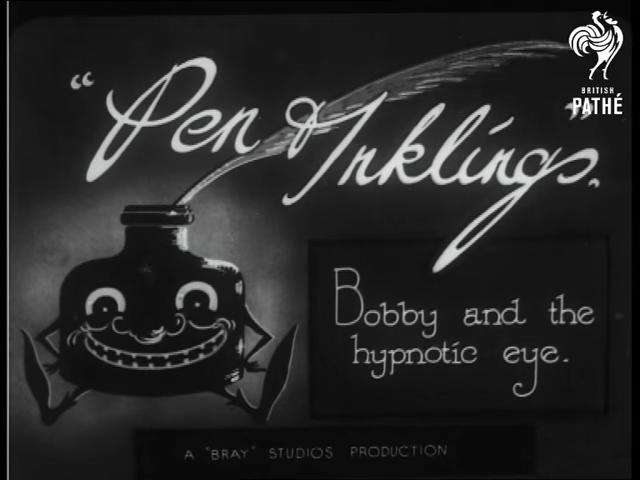
A little boy and his beloved puppy find themselves in and out of mischief..
United States
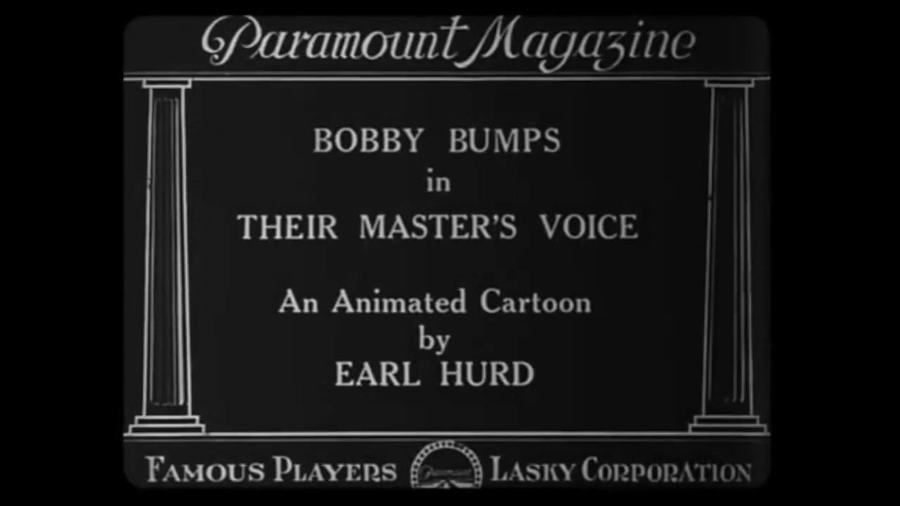
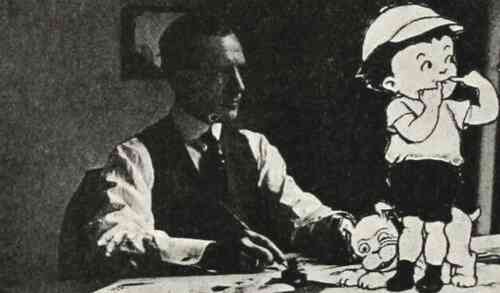
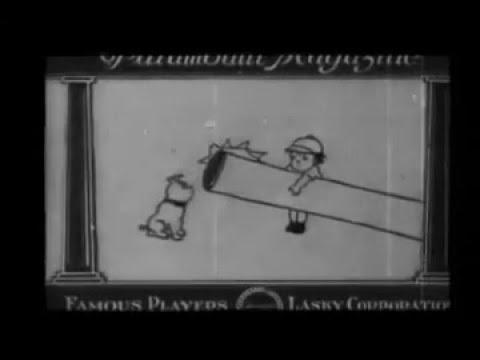
A nitrate-sparked fever dream of ink, noise, and tail-wagging insurrection—Earl Hurd’s 1917 miracle feels like someone shoved a jazz solo inside a zoetrope and let it howl. Bobby Bumps in Their Master's Voice is not merely a cartoon; it is a time-capsule of pre-Looney mayhem, a hand-drawn stick of dynamite wedged be...
Comparing the cinematic DNA and archive impact of two defining moments in cult history.
Earl Hurd
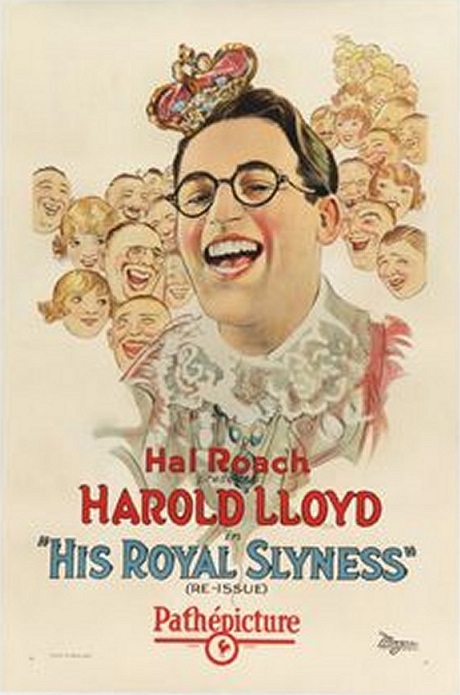
Hal Roach
Community
Log in to comment.
" A nitrate-sparked fever dream of ink, noise, and tail-wagging insurrection—Earl Hurd’s 1917 miracle feels like someone shoved a jazz solo inside a zoetrope and let it howl. Bobby Bumps in Their Master's Voice is not merely a cartoon; it is a time-capsule of pre-Looney mayhem, a hand-drawn stick of dynamite wedged between Victorian parlor etiquette and the roaring ‘20s. Hurd, who patented the celluloid overlay that freed animators from retracing backgrounds ad nauseam, weaponizes that very inv..."
Short, Animation
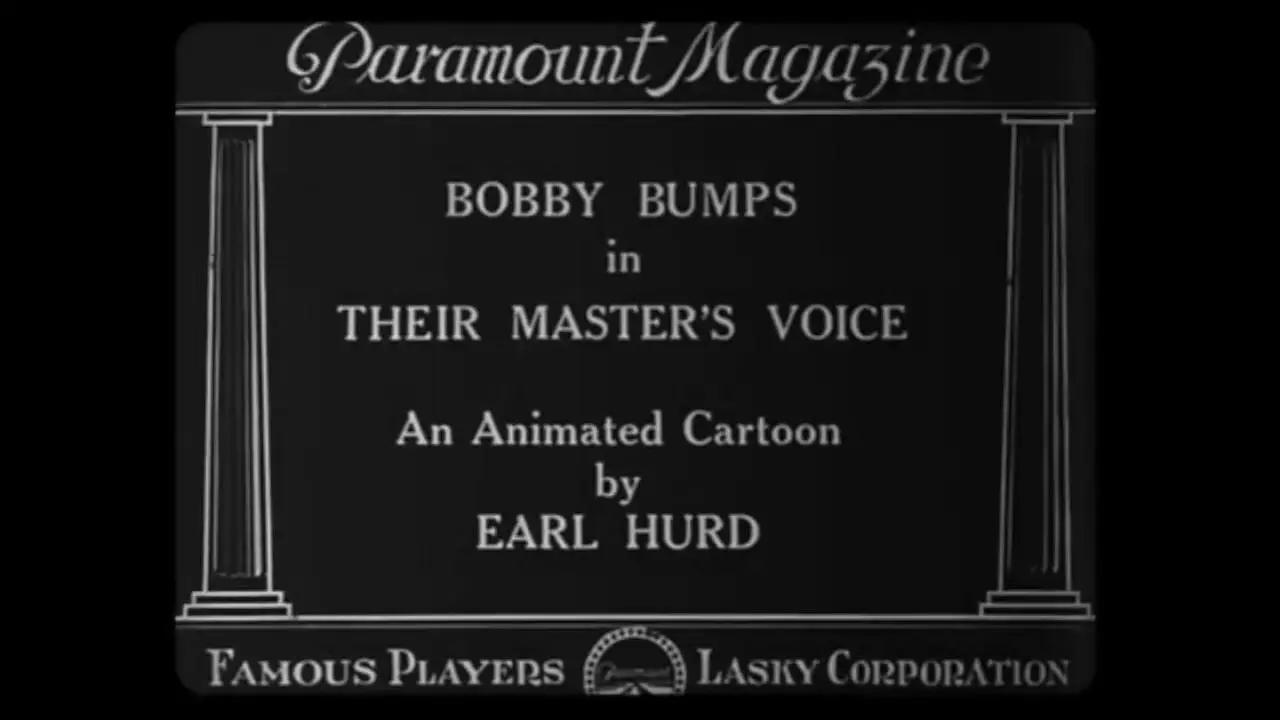
still_frame
Deep dive into the cult classic
Discover similar cinematic experiences
A Directorial Spotlight on Earl Hurd