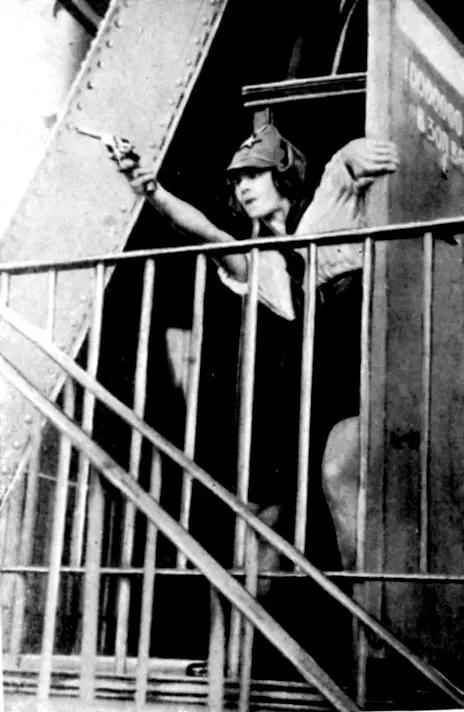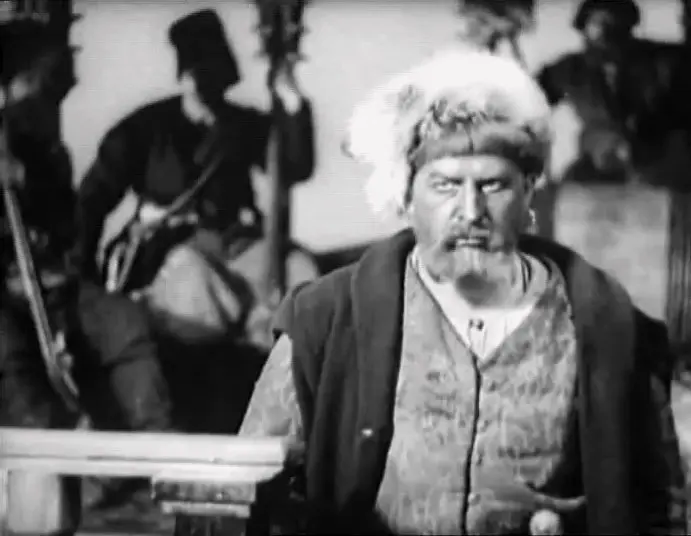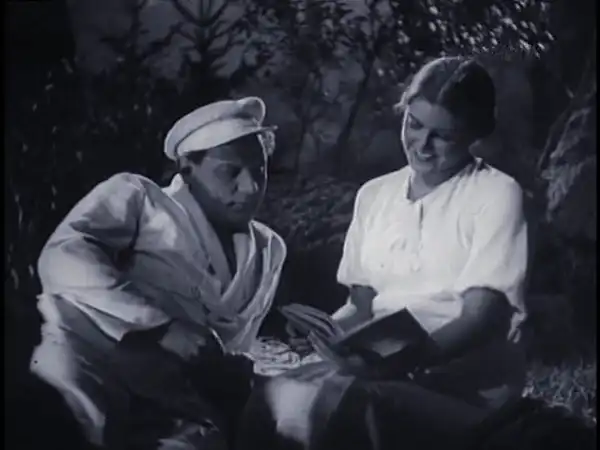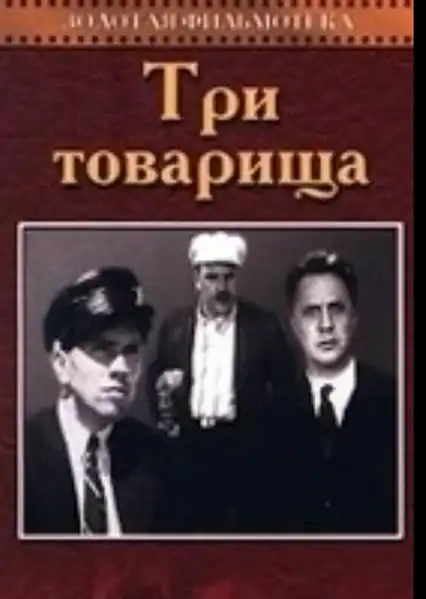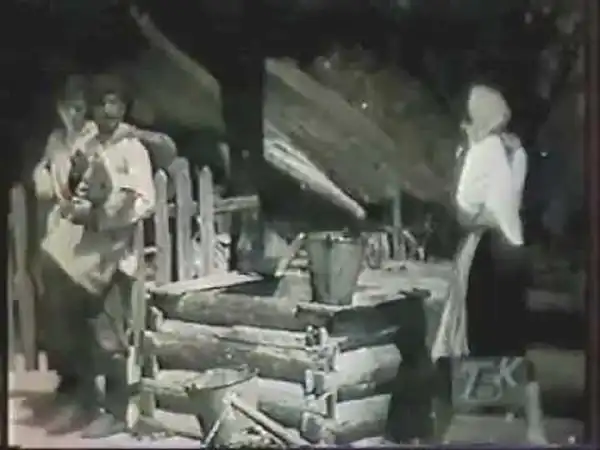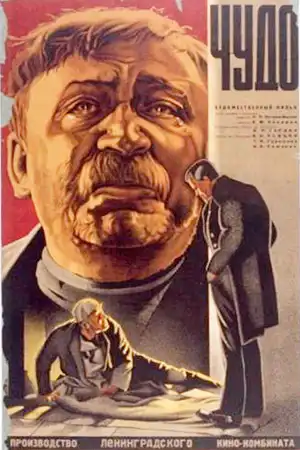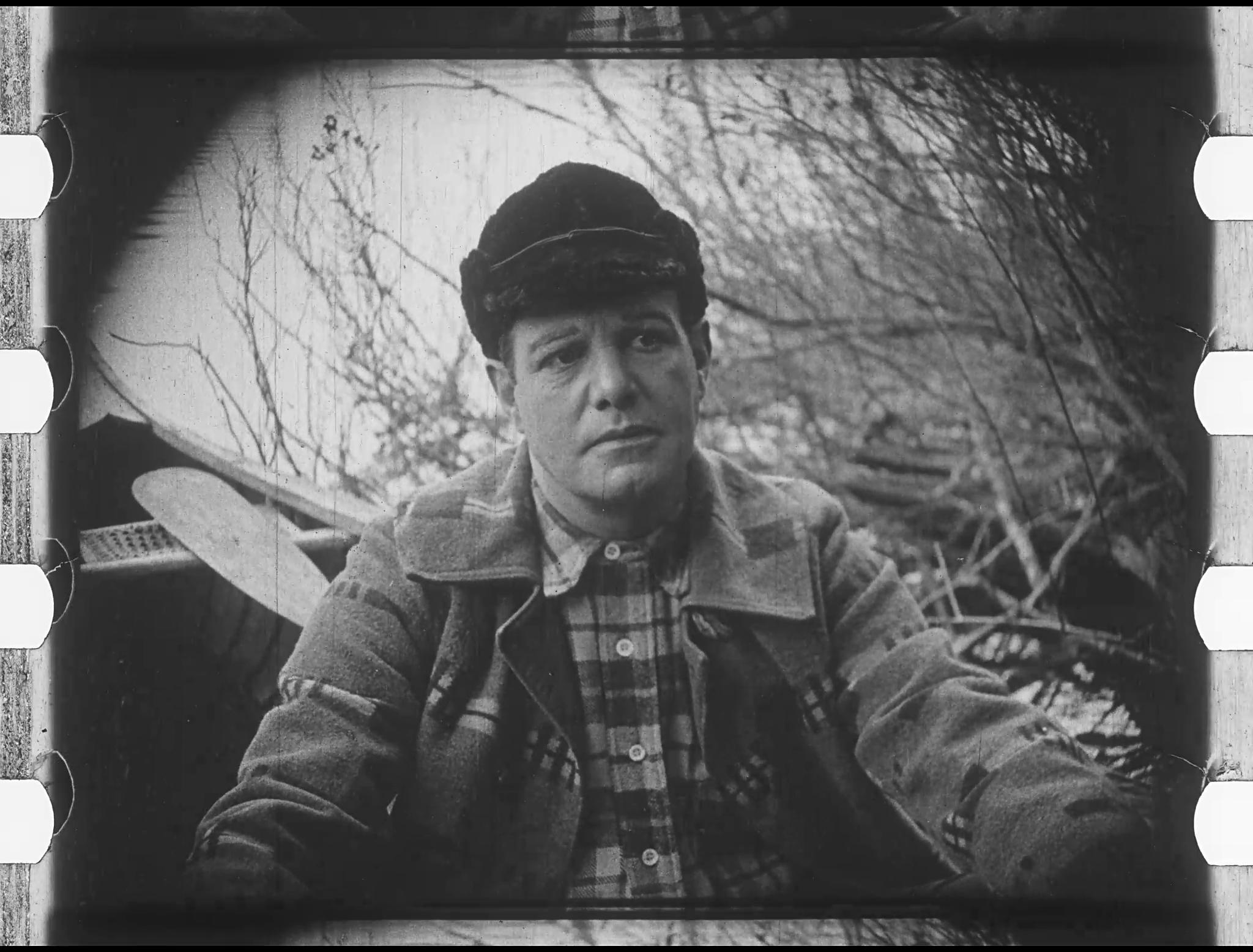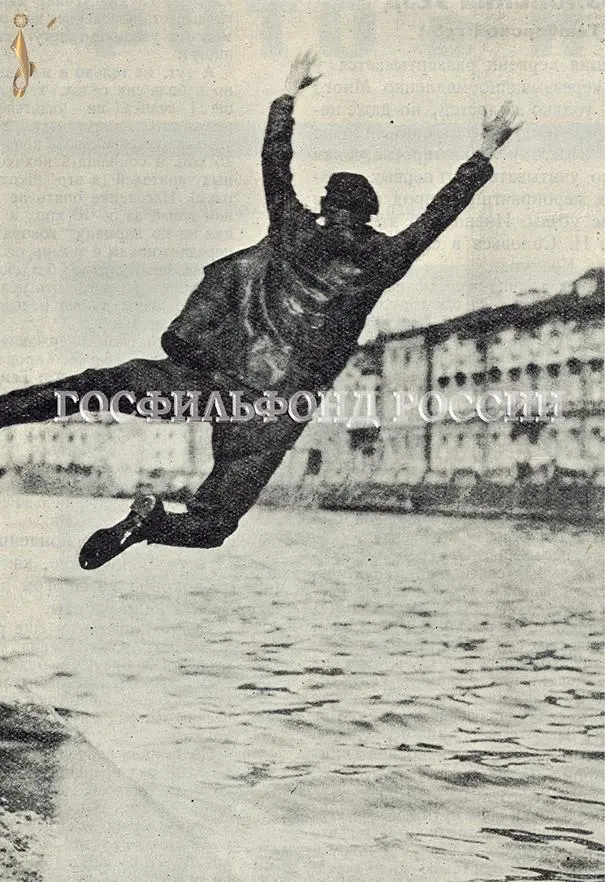
Is this film worth watching? Is Bratishka still relevant in the crowded landscape of modern cinema? Absolutely, but with a significant caveat. This isn't a film for everyone, yet its historical significance and raw, unbridled cinematic energy make it a compelling watch for specific audiences today. It's a foundational ...


Comparing the cinematic DNA and archive impact of two defining moments in cult history.
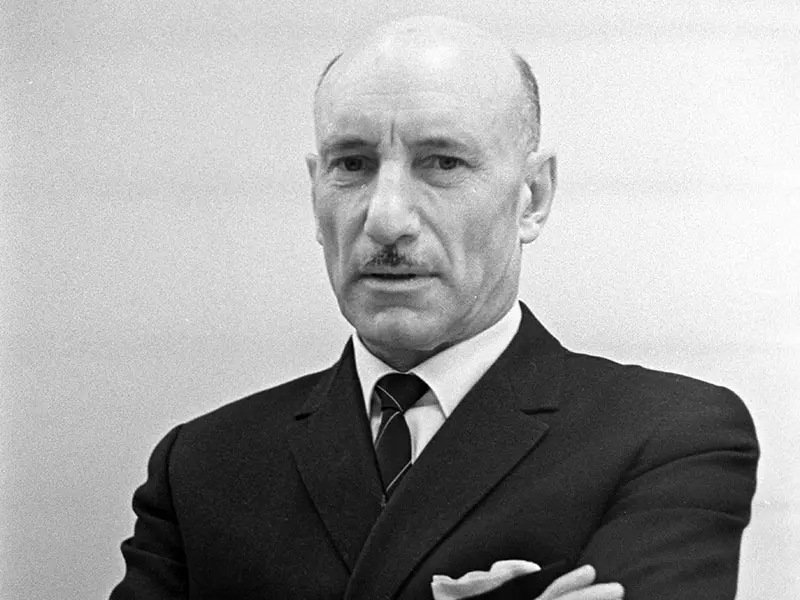
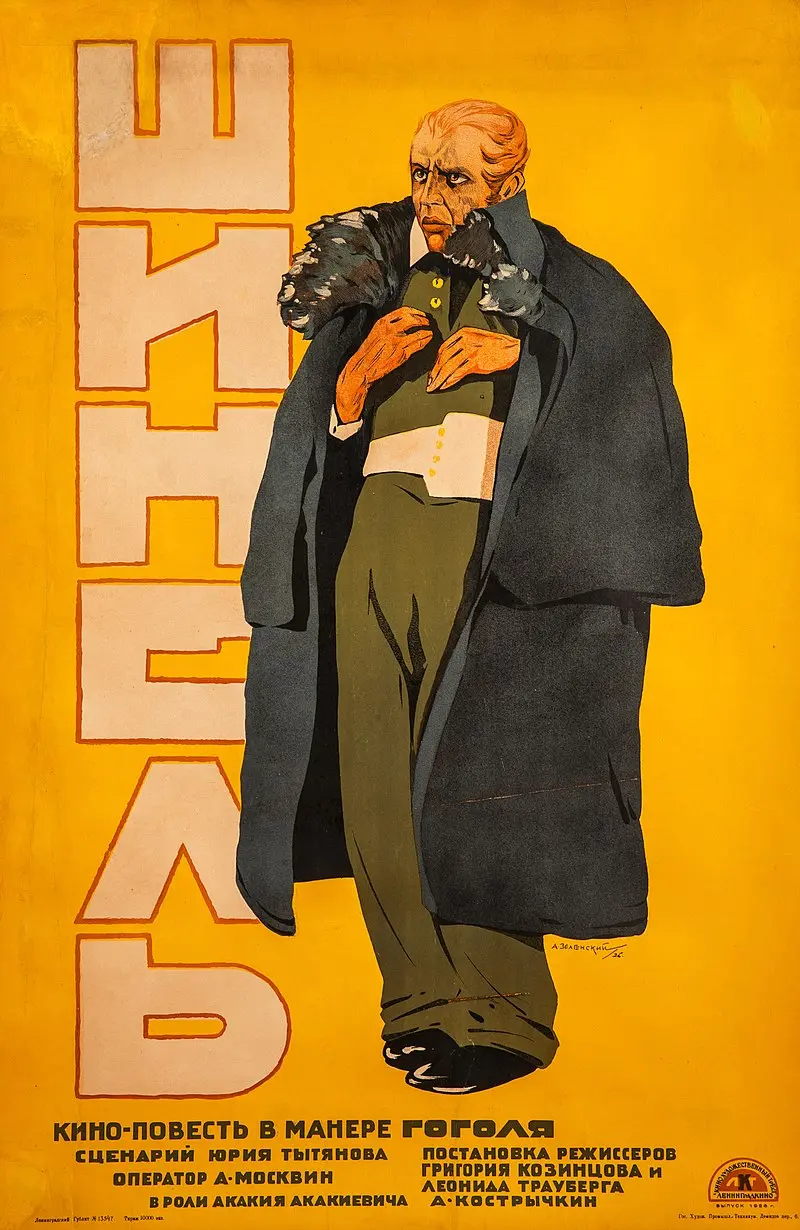
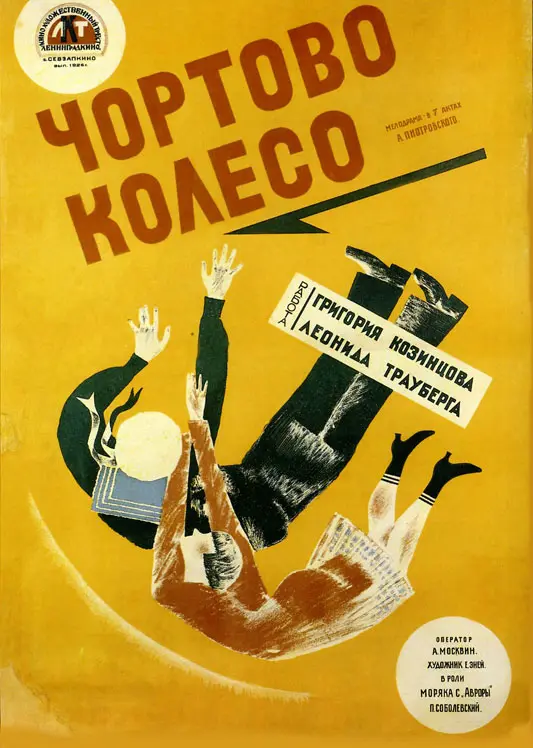
Grigoriy Kozintsev

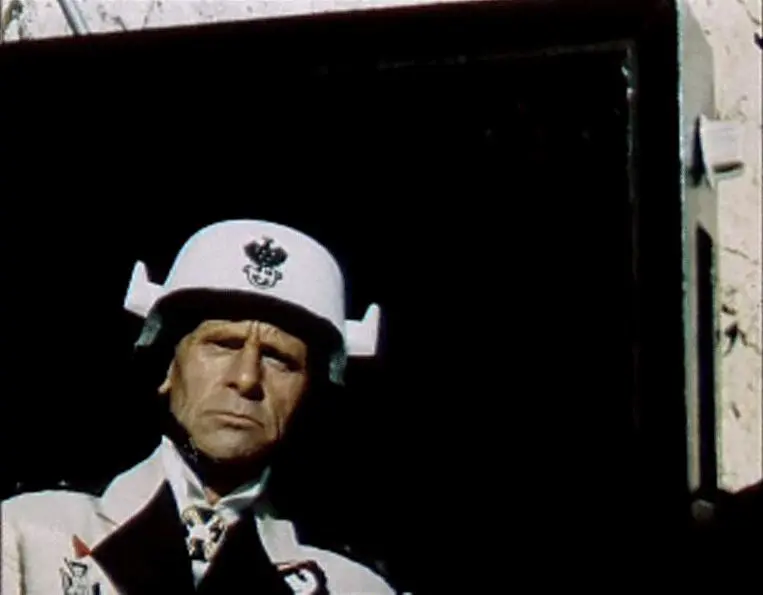
Hal Roach
Community
Log in to comment.
"Is this film worth watching? Is Bratishka still relevant in the crowded landscape of modern cinema? Absolutely, but with a significant caveat. This isn't a film for everyone, yet its historical significance and raw, unbridled cinematic energy make it a compelling watch for specific audiences today. It's a foundational piece of Soviet avant-garde, a vibrant, if sometimes bewildering, relic that demands engagement rather than passive consumption. This film is for students of cinema, historians, an..."
Grigoriy Kozintsev, Leonid Trauberg
Soviet Union