DbcultAccessing Vault...
Cult Review
Senior Film Conservator
Is Bratishka still relevant in the crowded landscape of modern cinema? Absolutely, but with a significant caveat. This isn't a film for everyone, yet its historical significance and raw, unbridled cinematic energy make it a compelling watch for specific audiences today.
It's a foundational piece of Soviet avant-garde, a vibrant, if sometimes bewildering, relic that demands engagement rather than passive consumption. This film is for students of cinema, historians, and those with a deep appreciation for experimental storytelling. It is emphatically NOT for viewers seeking conventional narrative arcs, character-driven drama, or a relaxed viewing experience. If you’re allergic to silent film conventions, or if you prefer plot over pure visual audaciousness, you'll find it a struggle.
This film works because of its audacious visual language, its relentless energy, and its unapologetic commitment to a specific, experimental aesthetic. It captures a moment in time with a raw vitality rarely seen.
This film fails because its narrative coherence often takes a backseat to stylistic experimentation, leading to moments of genuine confusion for modern viewers, and its ideological underpinnings can feel heavy-handed.
You should watch it if you are fascinated by the birth of cinematic language, the early Soviet period, or the sheer, unadulterated power of montage. It’s an essential, if challenging, historical document.
Bratishka, a product of the legendary Factory of the Eccentric Actor (FEX) collective led by Grigoriy Kozintsev and Leonid Trauberg, is less a traditional film and more a cinematic manifesto. Released during a period of intense artistic and political ferment in the Soviet Union, it embodies the FEX principles of theatricality, circus aesthetic, and a rejection of traditional narrative realism. The writers, Kozintsev and Trauberg, were not just filmmakers; they were provocateurs, aiming to create a new form of art for a new society.
Their work, including this early effort, was a deliberate break from the psychological dramas of the past, embracing instead a dynamic, almost cartoonish energy that prioritized movement, rhythm, and visual metaphor. "Bratishka" isn't just a film; it's a historical artifact, a tangible piece of a revolutionary era's artistic output. It’s a bold statement about what cinema could be, stripped of bourgeois conventions and imbued with a working-class spirit.
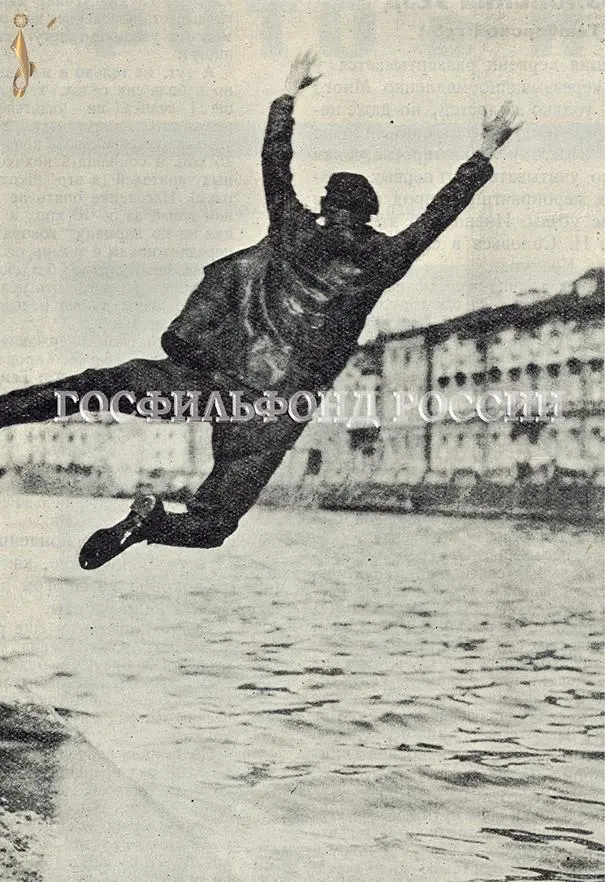
At the heart of "Bratishka" lies the electrifying performance of Emil Gal in the titular role. Gal, a FEX regular, doesn't simply act; he performs a kinetic ballet of youthful exuberance and bewildered determination. His 'Bratishka' is a character defined by exaggerated gestures, wide-eyed expressions, and an almost Chaplin-esque physicality that conveys his journey from naive village boy to a man grappling with urban complexities.
Consider the scene where Bratishka first encounters the city's sprawling industrial landscape. Gal's body language shifts from wide-eyed wonder to a frantic, almost overwhelmed energy, his movements mirroring the frenetic pace of the factory floor. It’s a performance that transcends the silent film medium, communicating pure emotion and drive through sheer physical force. Sergey Martinson, another FEX stalwart, provides a memorable counterpoint, often embodying the bureaucratic or cynical urban elements that Bratishka must navigate. His presence, even in smaller roles, adds a layer of theatricality that grounds the film's more abstract moments.
Kozintsev and Trauberg’s direction is, without exaggeration, a masterclass in early montage theory. "Bratishka" is a whirlwind of rapidly cut sequences, juxtaposed images, and dynamic camera angles designed to evoke emotion and ideological meaning rather than simply tell a story. The cinematography, while perhaps technically raw by today's standards, is incredibly inventive for its time.
The use of close-ups on machinery, the sweeping shots of bustling cityscapes, and the stark, expressionistic lighting in moments of internal conflict are all hallmarks of a directorial duo pushing the boundaries of the medium. There's a particular sequence involving a train journey that is a tour de force of rhythmic editing, with the chugging locomotive becoming a metaphor for the relentless march of progress. It's a sequence that could stand alongside the iconic Odessa Steps sequence from The Wizard of Oz (though stylistically very different) in its pure visual impact and ability to convey energy through editing.
The pacing of "Bratishka" is relentless. It moves with the urgency of a revolutionary pamphlet, rarely allowing the viewer a moment to settle. This frenetic energy is both its greatest strength and its most significant challenge. For those accustomed to slower, more contemplative narratives, it can feel exhausting. Yet, for those attuned to its rhythm, it’s exhilarating.
The tone swings wildly, often within the same scene, from slapstick comedy to moments of genuine pathos, from satirical critique of old ways to celebratory hymns for the new. This eccentric blend, a hallmark of FEX, ensures that the film is never boring, even if it sometimes feels disjointed. It's a tonal tightrope walk that few filmmakers would dare attempt today, making it a fascinating study in early cinematic experimentation.
Beyond its stylistic flourishes, "Bratishka" grapples with the core Soviet theme of idealism confronting the messy reality of nation-building. Bratishka's journey is a microcosm of the larger societal transformation, where the grand promises of a new world are met with practical difficulties and human imperfections.
The film subtly critiques bureaucracy, human greed, and the remnants of old-world thinking, even as it champions the spirit of collective effort. It’s not a simplistic propaganda piece; there's a nuanced, almost melancholic understanding of the sacrifices and challenges inherent in forging a new path. This makes it more than just a historical curiosity; it's a commentary on the eternal struggle between aspiration and actuality, a theme that resonates even when viewed through the specific lens of early Soviet history.
Bratishka is not an easy film. It’s a demanding, sometimes frustrating, but ultimately rewarding experience for the right viewer. Kozintsev and Trauberg, along with their FEX collaborators, created something truly unique – a film that bursts with the energy and idealism of a nascent nation, even as it grapples with its inherent contradictions. It works. But it’s flawed. Its historical context is paramount, and without an understanding of the FEX movement and the revolutionary spirit of the time, much of its brilliance might be lost.
However, for those willing to engage with its eccentricities, its visual audacity remains breathtaking. It’s a testament to the power of pure cinema, a reminder that storytelling doesn't always need neatly tied bows or easily digestible characters. Sometimes, it just needs raw energy, bold vision, and a willingness to break every rule. This is one of those times. It stands as a vital, if challenging, piece of cinematic history, offering a window into a bygone era of artistic experimentation that continues to influence filmmakers to this day. Don't expect a comfortable watch; expect an invigorating lesson in film history. It's a film that demands your attention, and for the right audience, it profoundly earns it.
IMDb —
1922
Community
Log in to comment.