DbcultAccessing Vault...
7.5/10
Senior Film Conservator
A definitive 7.5/10 rating for a film that redefined the boundaries of cult cinema. The Foolish Virgin remains a cornerstone of transgressive art.
In the annals of silent cinema, where grand gestures and stark moralities often painted the screen, Albert Capellani’s 1924 feature, The Foolish Virgin (also known by its original title), emerges as a profoundly resonant exploration of romantic disillusionment, the corrosive nature of crime, and the arduous, often circuitous, path to redemption. Penned by Albert Capellani himself alongside Thomas Dixon Jr., this cinematic endeavor transcends mere melodrama, offering a nuanced psychological portrait of characters grappling with the collision of their internal worlds and the unforgiving realities of circumstance. It’s a film that asks us to ponder the very essence of innocence, the cost of idealism, and the transformative power of a love forged in the crucible of despair. Far from a simplistic fable, it presents a complex narrative tapestry, rich with human fallibility and the enduring hope for grace, making it a compelling study for any aficionado of early cinematic artistry.
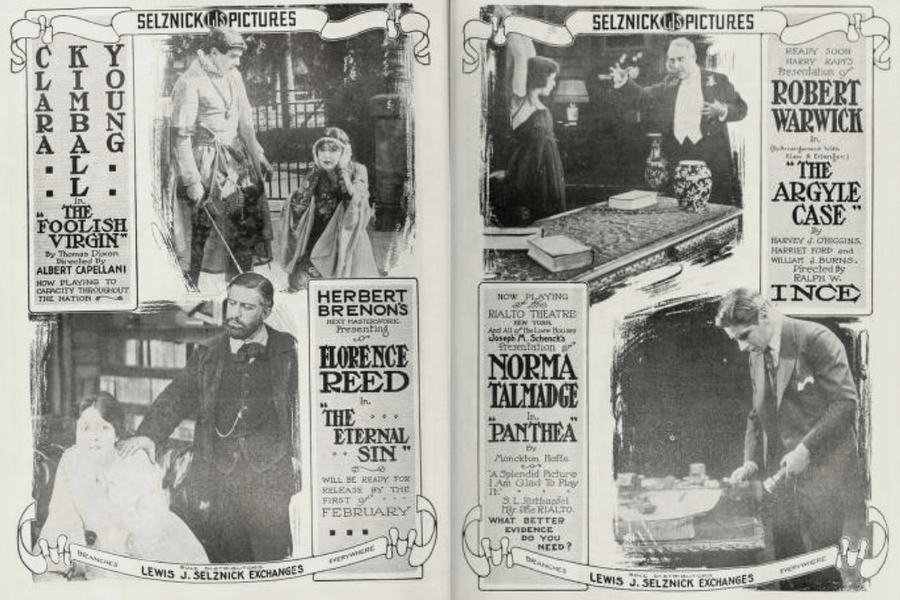
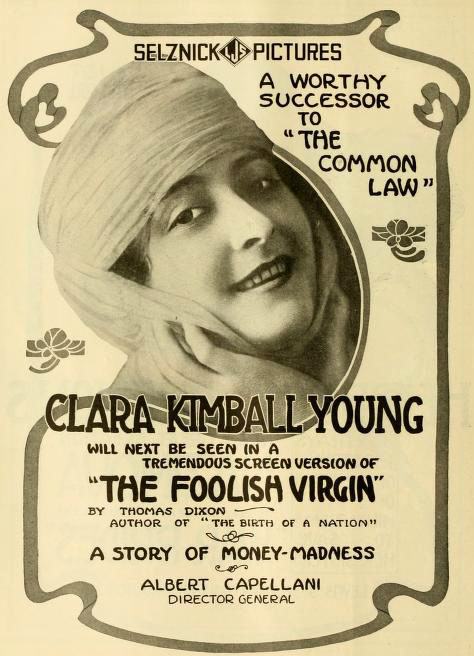
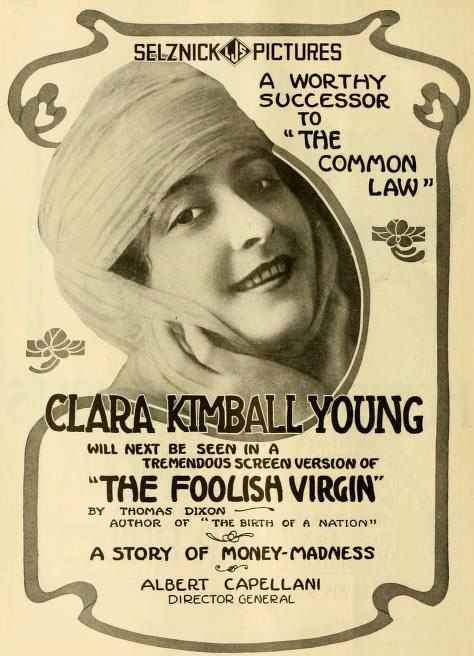
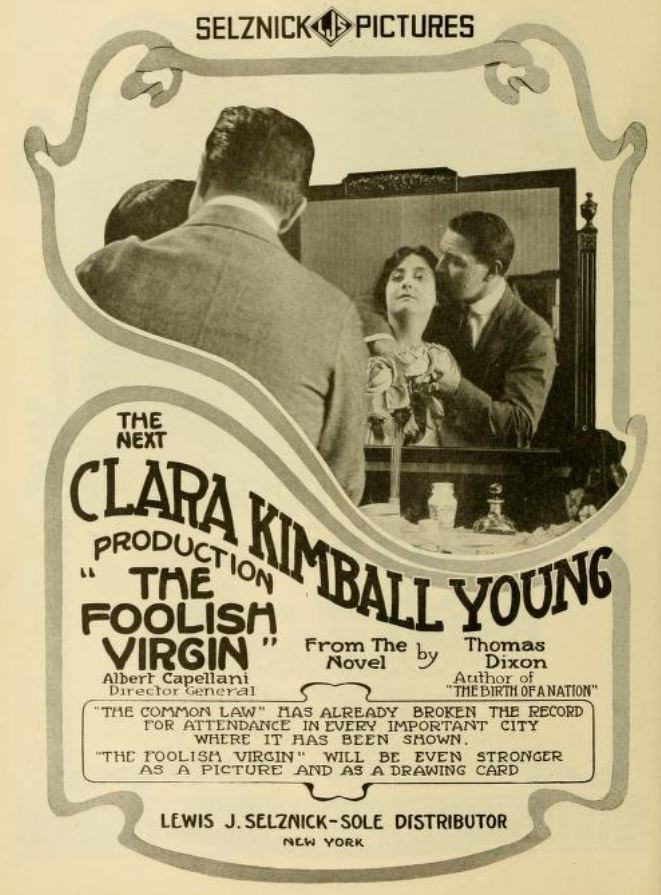
At its heart, The Foolish Virgin is the tragicomic odyssey of Mary Adams, portrayed with exquisite sensitivity by the luminous Clara Kimball Young. Mary is not merely a schoolteacher; she is an anachronism, a living relic of a bygone era, her imagination perpetually peopled by the noble knights and damsels in distress of chivalric lore. Her perception of the world is filtered through the rose-tinted lens of romance, rendering her susceptible to the allure of a heroic ideal. When she is rescued from a street ruffian by the enigmatic Jim Anthony, her fervent imagination immediately casts him as her modern-day Sir Galahad, a figure embodying all the virtues of her cherished fantasies. This initial encounter, fraught with the dramatic tension of peril and salvation, sets the stage for a romance built on a foundation of profound misunderstanding and idealization. Mary’s 'foolishness,' as the title implies, lies not in a lack of intelligence, but in her unwavering commitment to an idealized vision of love and heroism, a vision that inevitably clashes with the gritty, unvarnished truth of human experience.
Opposite Mary stands Jim Anthony, a character brought to life with a brooding intensity often associated with Rudolph Valentino, whose presence in the cast list hints at the film's star power. Anthony is a man tragically shaped by the harsh hand of fate, a mechanic whose inventive talents are cruelly exploited and his creation stolen. This act of profound injustice, rather than propelling him towards legitimate success, plunges him into a spiral of bitterness and criminal enterprise, transforming him into a burglar. His is a narrative that echoes the moral complexities explored in films like The Might of Gold or even the darker corners of Trompe-la-Mort, where societal neglect or personal grievance can warp an individual's moral compass. Anthony’s descent is not born of inherent malice, but of a deep-seated resentment and a perverted sense of justice. He is a product of the slums, a man adrift from his roots, his past a shadowy landscape of hardship and loss. His marriage to Mary, therefore, becomes a fascinating study in contrasts: her naive faith against his jaded pragmatism, her light against his encroaching darkness. It’s a union destined for an explosive revelation, a collision of worlds that forms the dramatic core of the narrative.
The film’s narrative truly ignites when Jim, driven by a flicker of longing for his lost past, persuades Mary to accompany him on a journey to the Carolina mountains to find his estranged mother. This geographical shift from the urban labyrinth to the desolate, untamed wilderness is a masterful stroke of visual storytelling, mirroring the internal landscape of the characters. It’s a journey laden with a metaphorical weight, as Jim carries not only the hope of familial reunion but also a bag brimming with the spoils of his recent robberies – a tangible manifestation of his hidden life. Their arrival at his mother's isolated hut reveals a figure utterly transformed by hardship and neglect. The old woman, a wretched, almost feral creature, fails to recognize her own son, a poignant testament to the ravages of time and poverty. This scene, steeped in pathos and dramatic irony, is a powerful precursor to the ensuing tragedy. While unpacking, Mary's discovery of the glittering jewels shatters her idyllic world with the force of a thunderclap. Jim's confession, raw and unvarnished, strips away her romantic illusions, leaving her exposed to the brutal truth. Her subsequent reaction – ordering him from the room and locking herself away – is not merely an act of anger, but a desperate attempt to reassert control over a reality that has suddenly become terrifyingly alien. This moment of profound betrayal and the subsequent emotional chasm it creates is reminiscent of the moral quandaries explored in The Edge of the Abyss, where characters find themselves teetering on the precipice of moral collapse.
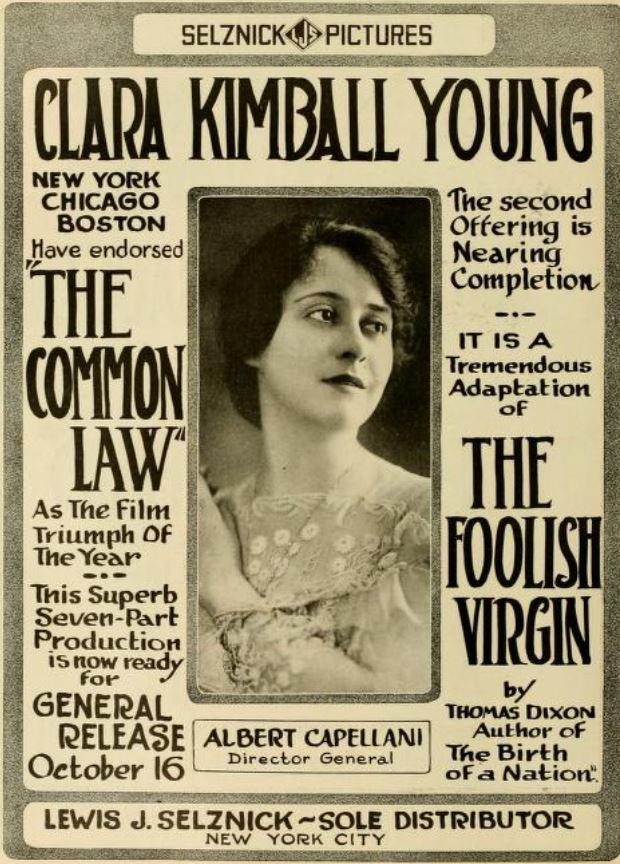
The narrative takes a darker, almost Shakespearean turn with the old woman's unwitting act of violence. Driven by a primal, almost animalistic cupidity upon discovering the jewels, she attempts to murder the man she unknowingly recognizes as her son. This shocking twist underscores the destructive power of greed, a theme powerfully echoed in films such as Az aranyásó (The Gold Digger), though here infused with a tragic familial irony. Mary, discovering Jim wounded and unconscious, is jolted from her initial horror into action, rushing to the village for medical aid. This act of compassion, despite her recent trauma, speaks volumes about her inherent goodness and the enduring flicker of love. However, the immediate aftermath is marked by a palpable distance. Mary, unable to fully reconcile the man she loved with the criminal he revealed himself to be, keeps her distance. Jim, on his recovery, embarks on a solitary journey of atonement, returning to the city to make restitution for his stolen property. This period of separation and self-imposed penance is crucial for his character arc, a necessary purgatorial phase before any possibility of true redemption can emerge. It mirrors the arduous moral journeys seen in narratives like The Redemption of White Hawk or Redeeming Love, where the path to forgiveness is paved with sacrifice and genuine change.
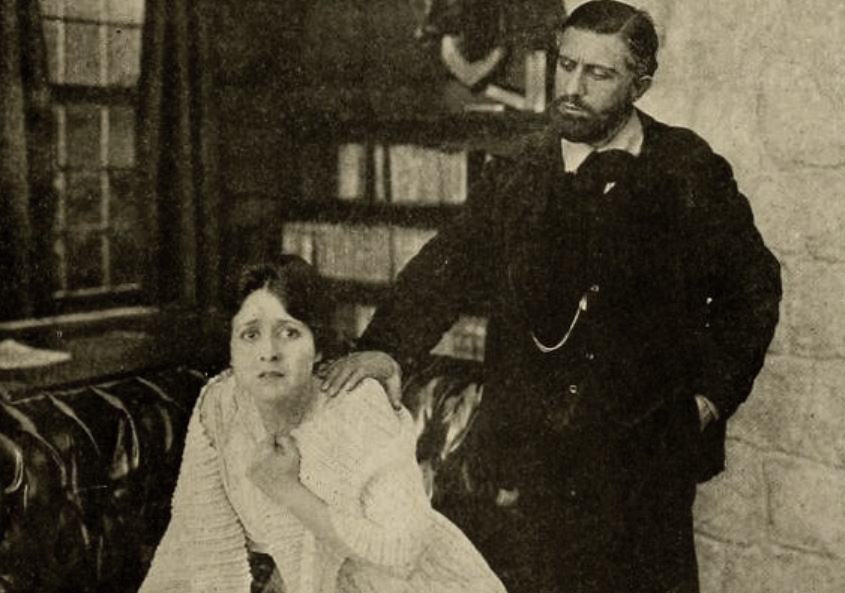
The power of The Foolish Virgin rests heavily on the shoulders of its lead performers, particularly Clara Kimball Young and Rudolph Valentino. Young, as Mary, delivers a performance of remarkable depth, effortlessly transitioning from wide-eyed romanticism to gut-wrenching despair, and finally to a quiet, chastened strength. Her expressive face and nuanced gestures convey the profound emotional upheaval Mary experiences, making her journey relatable despite the dramatic circumstances. Valentino, whether as Jim Anthony or in another significant role, brings his signature intensity and magnetic screen presence. His portrayal would undoubtedly imbue Jim with a complex blend of vulnerability, brooding resentment, and a desperate yearning for something better, allowing the audience to empathize with his tragic choices without condoning them. The supporting cast, including Edward Elkas and Catherine Proctor, contribute to the film's rich tapestry, grounding the more melodramatic elements in believable human emotion. Even lesser-known names like Virginia Rappe, Paul Capellani, and Freddie Verdi, play their parts in creating the immersive world of the film, showcasing the ensemble talent prevalent in early Hollywood. The film’s ability to evoke such strong emotions without dialogue is a testament to the actors' craft and Capellani's direction, relying on visual storytelling, body language, and intertitles to carry the narrative weight. This skill is a hallmark of the era, distinguishing it from later sound pictures and demanding a particular kind of expressive artistry from its players.
Albert Capellani, a director renowned for his sophisticated storytelling and visual flair, crafts The Foolish Virgin with a keen eye for dramatic impact and psychological nuance. His direction ensures that the film, while undeniably melodramatic in its premise, avoids descending into mere theatricality. Instead, he focuses on the internal lives of his characters, using close-ups and carefully composed shots to convey their emotional states. The contrast between the bustling, dangerous city and the stark, isolating beauty of the Carolina mountains is rendered with evocative cinematography, enhancing the narrative's thematic resonance. Thomas Dixon Jr.'s writing, often controversial for its social and racial themes in other works (like The Birth of a Nation), here focuses on a more universal tale of moral transgression and personal redemption. The screenplay, co-written with Capellani, deftly navigates the complexities of Jim’s fall from grace and Mary’s struggle with shattered ideals, culminating in a reconciliation that feels earned rather than simply bestowed. Dixon’s penchant for strong moral narratives is evident, but it's tempered by a humanistic understanding of the characters' flaws and their potential for growth. The film’s exploration of societal pressures and individual responsibility aligns it, in spirit, with works that examine the human condition under duress, such as the philosophical underpinnings one might find in Creation or the social critiques of Down with Weapons, albeit through a more intimate lens.
The film culminates in a reconciliation that is neither instantaneous nor entirely romanticized. Several years pass, allowing both Mary and Jim the space to heal, to reflect, and for Jim to genuinely atone for his transgressions. This delayed gratification underscores the film's maturity; it understands that true forgiveness is not a simple act but a process, often requiring significant personal transformation. When the reconciliation finally occurs, it is not a return to Mary's initial, naive idealization, but a more profound, chastened understanding of love’s enduring complexities. It suggests a bond forged not in fantasy, but in the shared experience of pain, growth, and hard-won wisdom. This nuanced ending elevates The Foolish Virgin beyond a mere cautionary tale, transforming it into a testament to the resilience of the human spirit and the possibility of renewed connection even after profound betrayal. It stands as a powerful counterpoint to more simplistic narratives of immediate forgiveness, offering a more realistic, and ultimately more moving, portrayal of the healing process. In this sense, it shares thematic kinship with films that explore the long-term consequences of choices and the difficult road back, much like the journey depicted in The Galley Slave or the quiet dignity found in the resolution of Pierre of the Plains.
The Foolish Virgin, with its compelling narrative and powerful performances, remains a significant artifact of early 20th-century cinema. It captures a particular zeitgeist, reflecting societal anxieties about crime, morality, and the changing roles of women, even as it tells a timeless story of love and redemption. The film showcases the immense talent of Clara Kimball Young, whose star power was undeniable, and capitalizes on the burgeoning fame of Rudolph Valentino, whose presence alone would draw audiences. Beyond its individual merits, it offers valuable insight into the filmmaking techniques and storytelling conventions of the silent era, demonstrating how complex emotional landscapes could be conveyed without the benefit of spoken dialogue. It's a film that invites re-evaluation, challenging modern audiences to look beyond the perceived limitations of silent cinema and appreciate the artistry and depth that characterized its finest examples. For those interested in the evolution of cinematic narrative, the portrayal of moral dilemmas, or simply a deeply moving human story, The Foolish Virgin is far from a foolish choice; it is a rich, rewarding experience that continues to resonate with timeless truths about the human heart.
IMDb 6.8
1936
Community
Log in to comment.