Summary
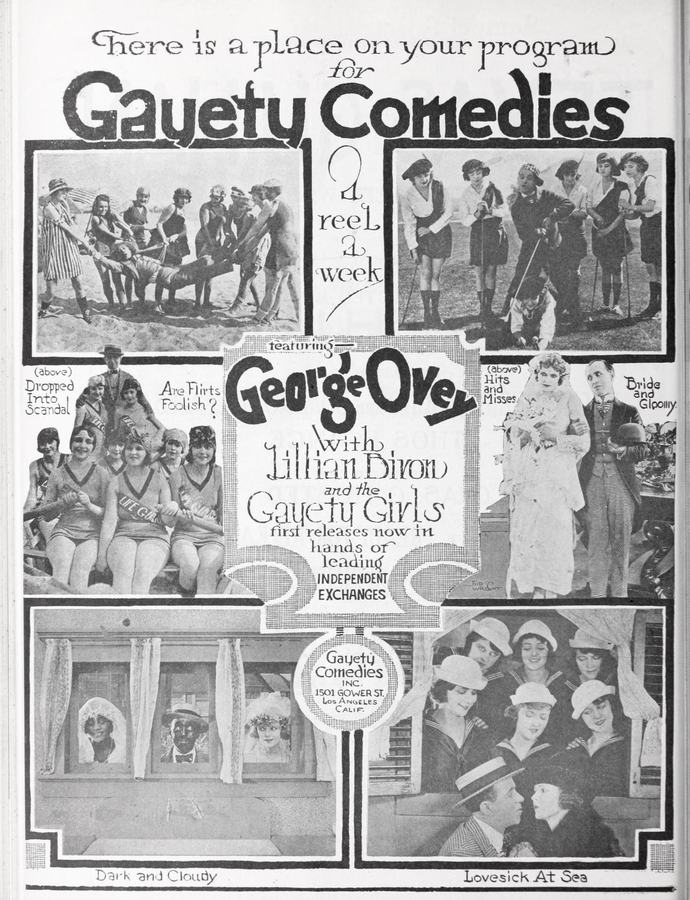
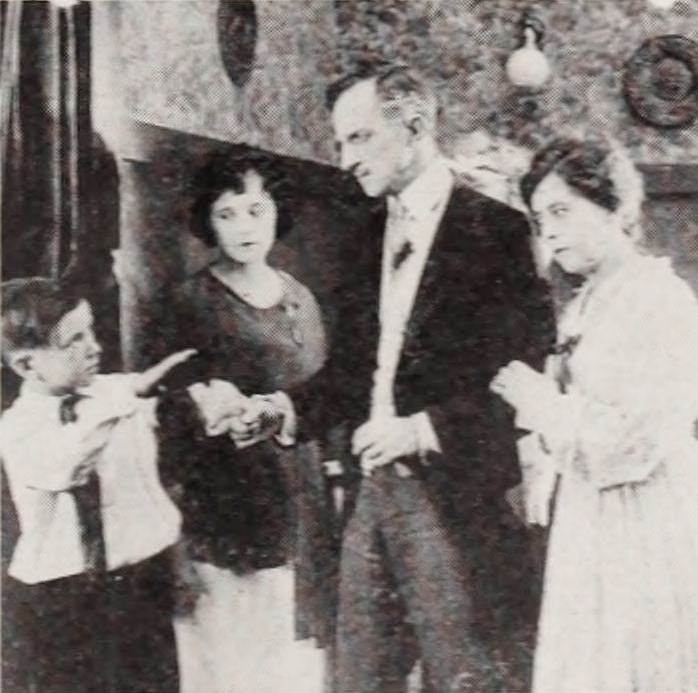
In the labyrinthine societal constructs of the early 20th century, Frank Roland Conklin's 'Bride and Gloomy' unfolds as a poignant, yet often farcical, exploration of agency stifled by avarice and expectation. At its heart lies Ophelia (Lillian Biron), a young woman of exquisite spirit and modest means, cruelly orphaned and now under the suffocating guardianship of her Aunt Agatha, a matriarch whose piety thinly veils a rapacious hunger for Ophelia's dormant inheritance. Agatha, in a Machiavellian maneuver, orchestrates a matrimonial union between Ophelia and Bartholomew Buttercup (George Ovey), a man of considerable fortune but utterly devoid of charm or intellectual depth, and tragically, a complete stranger to Ophelia's true affections. The film meticulously charts Ophelia's escalating despair as the wedding day looms, a day she perceives not as a joyous union but as a descent into an emotional abyss, a transaction of her soul for material security she neither desires nor needs. Her heart, however, belongs to Alistair Finch, a struggling poet whose eloquence and idealism stand in stark contrast to Bartholomew's pedestrian pragmatism. The narrative masterfully juxtaposes the opulent, yet hollow, preparations for the 'gloomy' nuptials with Ophelia's clandestine encounters with Alistair, painting a vivid tableau of star-crossed lovers battling the insurmountable walls of social convention and familial greed. As the climax approaches, a hidden codicil to Ophelia's father's will, long suppressed by Aunt Agatha, threatens to unravel the carefully constructed façade, promising either liberation or utter ruin. The film transcends mere melodrama, delving into the psychological toll of forced conformity and the defiant, albeit fragile, power of the human spirit yearning for authentic connection.
Review Excerpt
"
Ah, the silent era! A time when narratives were spun not through dialogue, but through the eloquent dance of gesture, the stark honesty of expression, and the rhythmic cadence of intertitles. It was an epoch of raw, unfiltered storytelling, and Frank Roland Conklin's 'Bride and Gloomy' stands as a captivating artifact from this fascinating period, a work that, upon deeper inspection, reveals layers of thematic complexity often overlooked by casual modern viewers. Released into a world teete..."