Summary
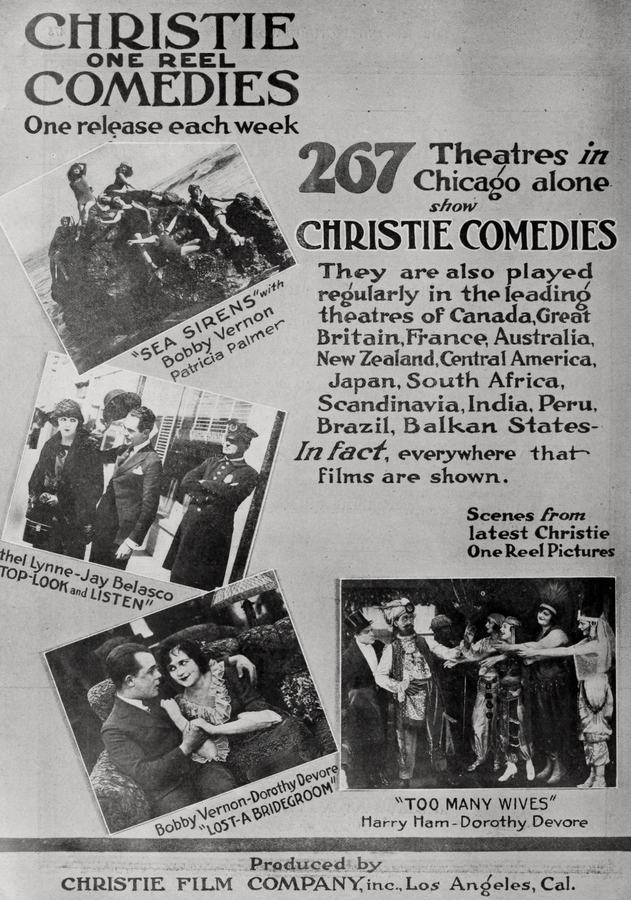
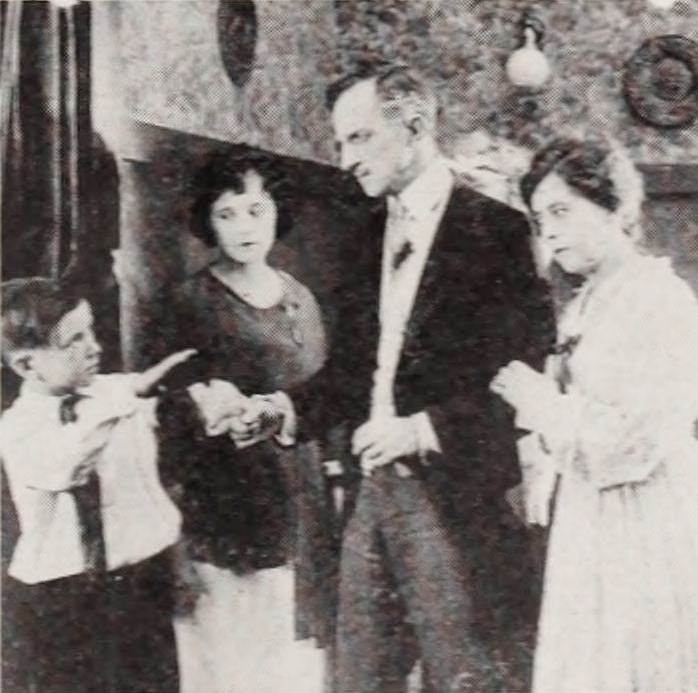
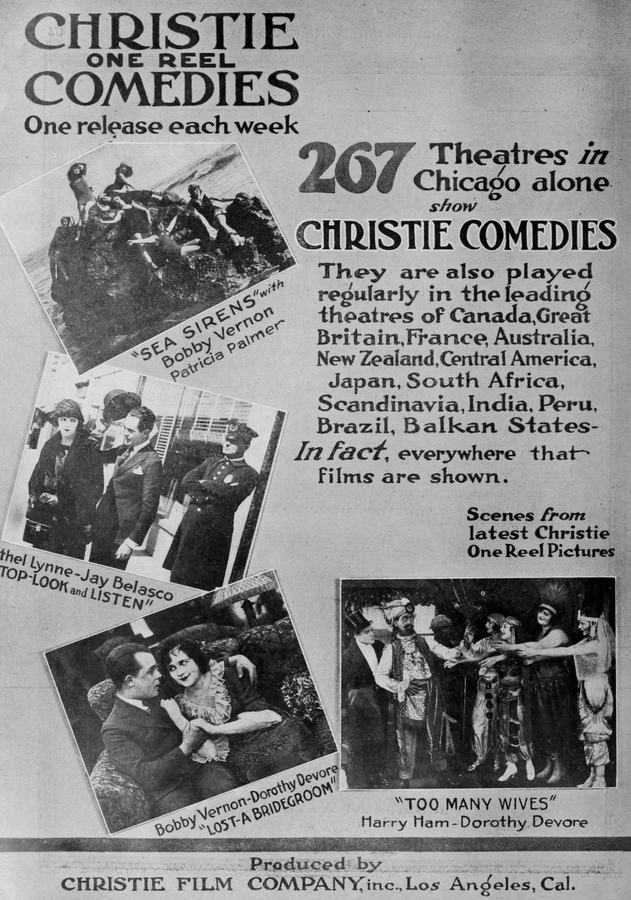
A matrimonial kaleidoscope whirls across the screen as Harry Ham, a small-town notary with the conscience of a tomcat, finds himself simultaneously pledged to three women—each convinced she is the sole Mrs. Hamlin. Dorothy Devore’s pert stenographer discovers the ruse first, brandishing a marriage certificate like a duelist’s foil; a society widow arrives with a diamond-studded wedding band and a lawyer in tow; meanwhile, a tempestuous flapper from the wrong side of the tracks claims a moonlit elopement sealed with a chipped gold ring. The film stitches these duelling nuptials into a frenetic farce of slamming doors, forged ledgers, and a courthouse clock that strikes thirteen whenever perjury is committed. Ham scuttles through boarding-house windows, pawnshops, and a séance parlor where the ghost of his bachelorhood is exhumed by a cigar-chomping medium. When the three brides collide inside a justice’s cramped chambers, the screenplay detonates into a comic opera of alibis: forged death certificates, a toddler mistakenly signed as witness, and a bloodhound that recognizes only the scent of deceit. By the final reel, the polygamous protagonist has auctioned off his duplicity to the highest bidder—only to discover that every exit is a vestibule to another altar. The curtain falls on a quadruple wedding in which the groom’s identity is obscured by a veil, leaving the audience to ponder whether monogamy itself was the real casualty.
Review Excerpt
"
p,li{line-height:1.7;margin:0 0 1em;color:#fff;font-size:17px}
a{color:#EAB308;text-decoration:none;border-bottom:1px dotted #EAB308}
a:hover{color:#C2410C;border-color:#C2410C}
blockquote{margin:2em 0;padding:1em 1.5em;border-left:4px solid #0E7490;font-style:italic;color:#e0e0e0}
h2{color:#C2410C;margin:2em 0 0.6em;font-size:1.9em;letter-spacing:-0.5px}
h3{color:#EAB308;margin:1.8em 0 0.5em;font-size:1.4em}
ul{list-style:square inside;margin:1em 0 2em}
hr{border:0;height:2px;background:linea..."