Summary
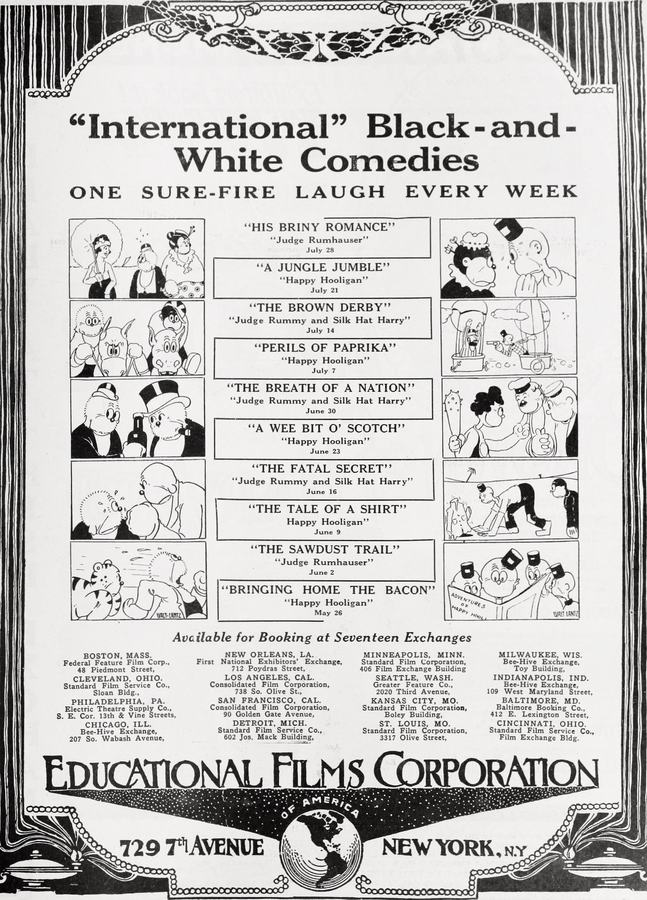
In a soot-choked metropolis where gaslight gutters against iron skies, a laconic butcher named Elias Dalloway inherits a derelict abattoir rumored to be mortgaged to the sinews of his own family’s past. The will is inked in blood-brown script, bequeathing not only rusted hooks and cracked marble slabs but also an impossible ledger: every pound of flesh sold must be counter-balanced by a pound of memory surrendered. Elias, whose nightmares already reek of iodine and sawdust, discovers that each carcass he dresses erases a recollection—his mother’s lullabies, the salt of his wife’s nape, the laughter of a daughter buried years prior. Commerce becomes cannibalism of the self. Into this abattoir steps a vaudevillian drifter, Clover, wearing a pork-pie hat stitched from newspaper headlines chronicling the town’s vanished children. She claims the missing are being rendered into the very lard that greases the city’s elite, pressed into coins of human tallow laundered through Dalloway’s shop. Together they descend through trapdoors and meat lockers into a subterranean railway where hogs in velvet waistcoats gamble with teeth extracted from the populace, and where the phrase “bringing home the bacon” is literalized as citizens are smoked, cured, and parcel-posted back to their loved ones in wicker hampers. Frederick Opper’s screenplay fractures chronology: scenes play in reverse osmosis, dialogue arrives palindromic, and the final reel loops to the first frame—except now Elias’s eyes are hollow casings, his mouth sewn with catgut, as Clover sells him by the ounce to a clientele who no longer recognize the taste of their own histories.
Review Excerpt
"
Frederick Opper’s Bringing Home the Bacon doesn’t open so much as it exhales—a plume of refrigerated breath across the projector lens, instantly chilling the auditorium. What follows is neither linear narrative nor Gothic yarn but a carnivorous fugue set inside an abattoir that commodifies remembrance. The film’s conceit is deceptively tidy: sell meat, lose memory. Yet Opper weaponizes that simplicity until it mushrooms into an indictment of every supply chain that converts sentience into prof..."