Summary
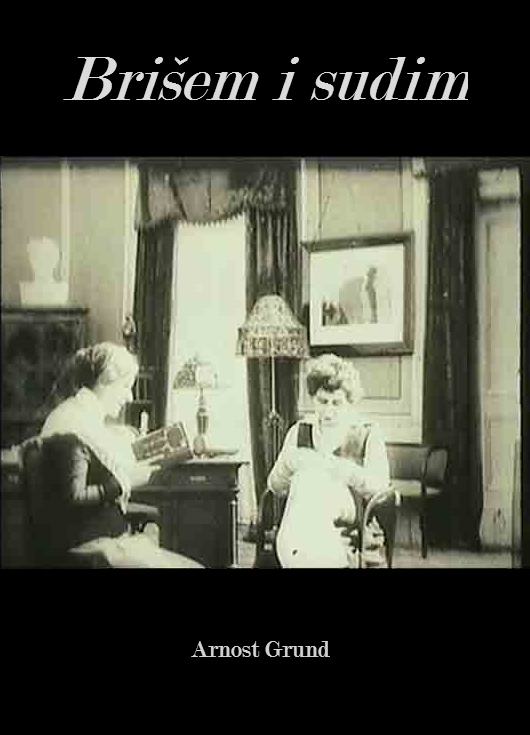
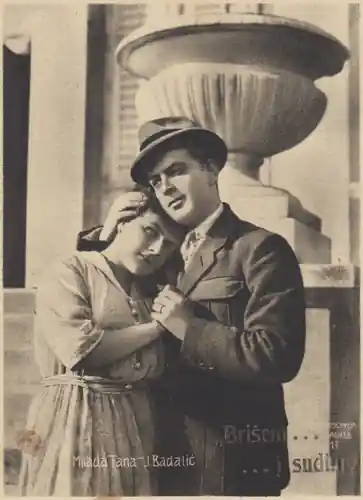
A quill, poised above parchment like a guillotine, hovers in the candle-gutted gloom of a nameless chancellery; ink beads, trembles, then plummets—each droplet a verdict—onto the life of Tito Strozzi, a provincial archivist whose only heresy is remembering too precisely. Around him, the city-state of Varesco constricts into a paper labyrinth: edicts, marginalia, stamped seals metastasize into corridors down which Andrija Gerasic’s high-collared inquisitor prowls, sniffing for the mildew of inconvenient truth. Toso Lesić plays the mute gravedigger who can read Latin, and therefore knows every corpse by its patrician name; Milada Tana is the widowed compositor whose typeset letters rearrange themselves nightly into confessions no one signed. Konrad Schmidt’s censorious bureaucrat, all waxen skin and nicotine fingers, believes he can silence history by simply blotting out syllables, while Tonka Savić-Flieder-Mačka’s seamstress embroiders the condemned’s last words into cuffs and collars, smuggling entire testimonies past the scaffold in plain sight. Into this palimpsest of dread wanders Ivo Badić’s itinerant illusionist, pockets full of disappearing ink, promising to erase the past for the price of a drink; Josip Pavić’s one-eyed bell-ringer keeps the hours that no clock dares mark, tolling for sentences that will never be pronounced. Alfred Grinhut’s aging archivist—Tito’s mirror yet older, frailer—guards a locked drawer said to contain the original draft of the city’s founding lie; Ignjat Borstnik’s own cameo as the ghost of a poet hanged in the previous century flickers through tavern mirrors, reciting verses that splice themselves into the dialogue of the living. Cara Negri’s child oracle, face powdered corpse-white, recites tomorrow’s indictments while skipping rope. The narrative itself behaves like damp ledger paper: fold once, and a name vanish; fold again, and an entire bloodline reappears. By the time the final seal is pressed, the film has interrogated not just who gets to write history, but who may even read the rough draft, leaving the viewer complicit in every silence we choose to preserve.
Review Excerpt
"
Ink, in Brisem i sudim, is not merely pigment; it is a forensic instrument, a moral solvent, a quietus. Ignjat Borstnik’s 1922 Croatian chamber-drama—long presumed lost in the Zagreb customs-office blaze—resurfaced last winter on a brittle 9.5 mm stock, and the photochemical whispers it utters feel hotter than the fire that tried to silence it. What unspools is a 71-minute indictment of archival violence: the moment when bureaucratic strike-through becomes capital punishment.
The film’s very ..."