DbcultAccessing Vault...
Cult Review
Senior Film Conservator
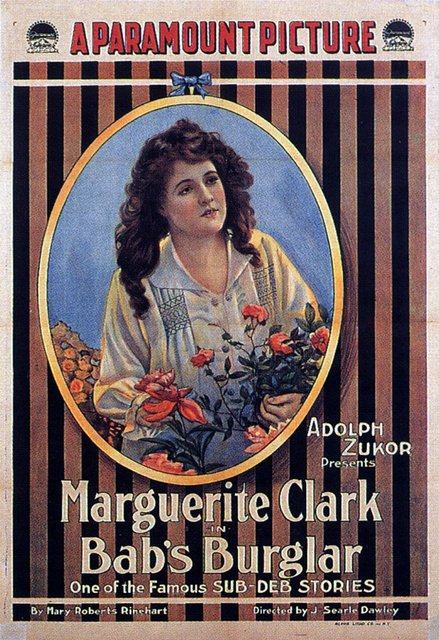
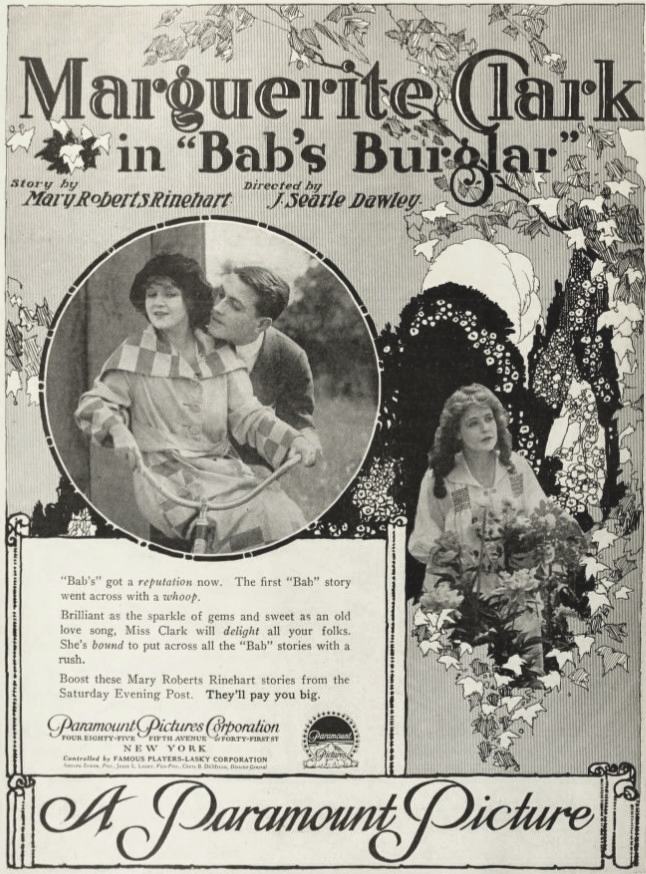
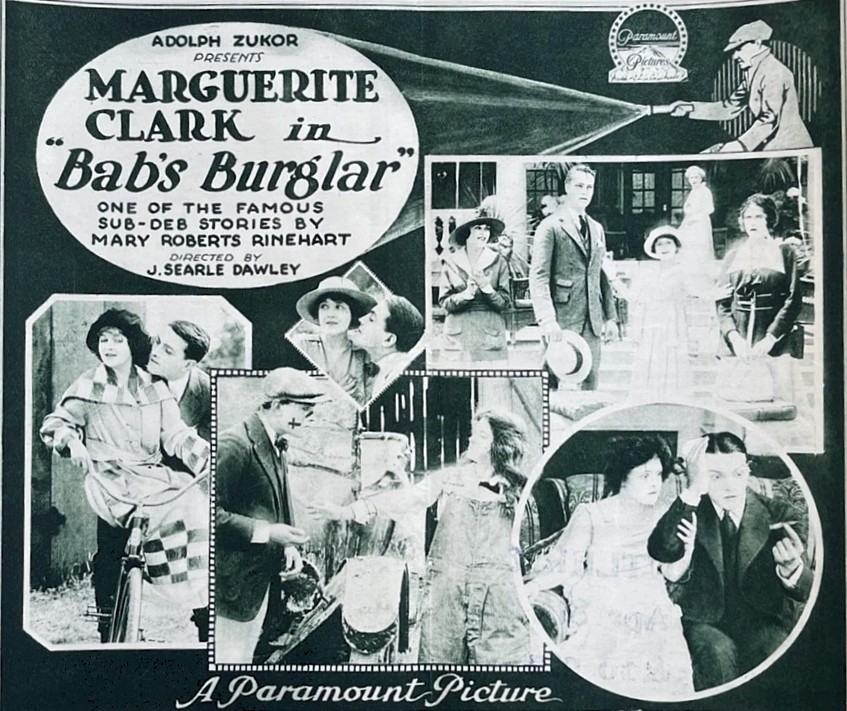
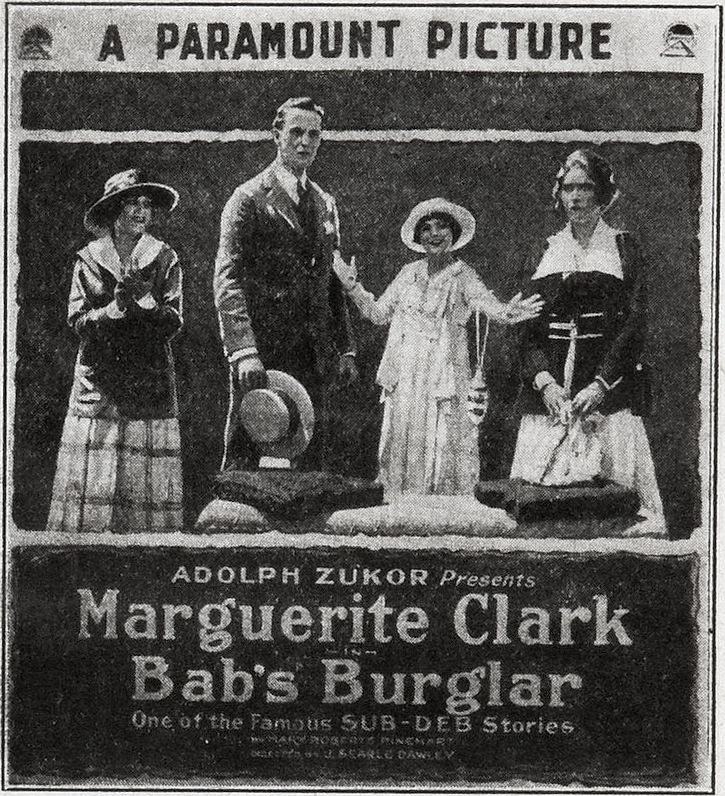
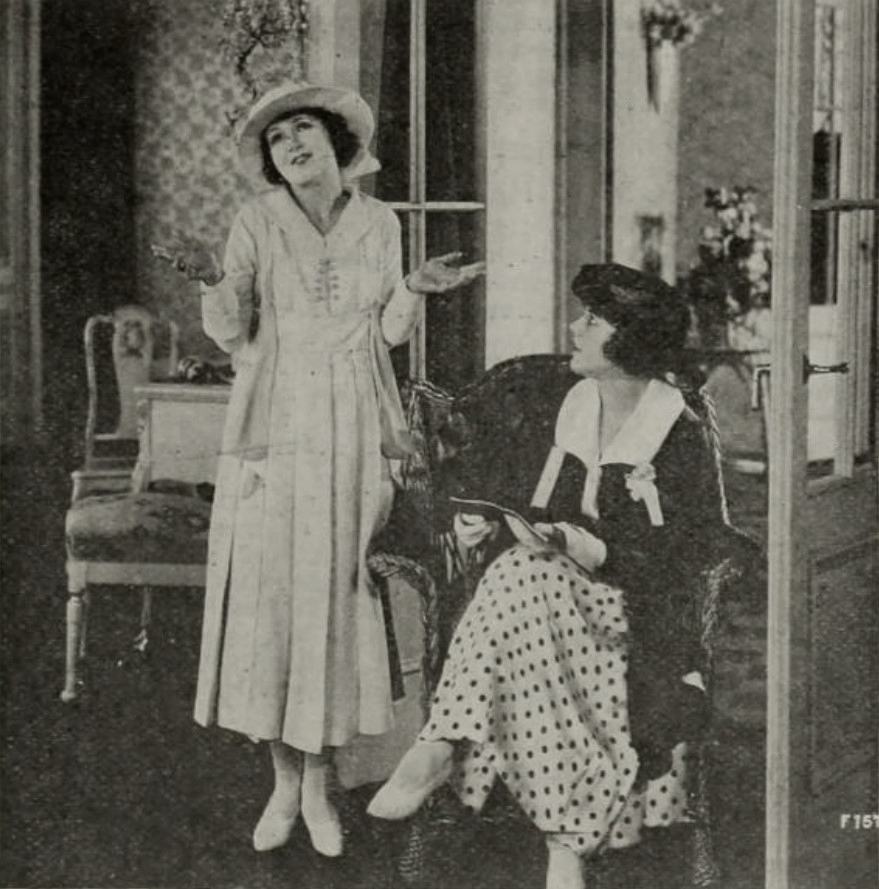
There are films you watch and films that happen to you. Bab's Burglar is the latter—a champagne-cork of celluloid that pops in your cerebellum long after the projector’s hum has died.
Picture 1922: jazz babies jitter across mahogany floors, bootleg gin glints in cut-crystal, and Mary Roberts Rinehart’s society-crime alchemy lands on the screen via Margaret Turnbull’s pen. The resulting story feels like a Joseph Cornell box smashed open by a silver spoon: fragments of privilege, peril, and proto-feminist nerve scattered in staccato title cards.
The inciting incident is a dare disguised as a lesson. Father Archibald, a steel baron who eats market crashes for breakfast, hands his daughter a check with the casual cruelty of a man flipping a coin into a beggar’s hat. One grand. Three-hundred-sixty-five days. No bailouts. Bab’s response is automotive euphoria: she buys a car the way other girls buy ribbon—swiftly, impulsively, eyes sparkling with the anarchic conviction that velocity equals liberty.
Then comes the crash. Not the stock-market sort—yet—but a balletic smash of chrome against milk cans, a cacophony of mooing cows and shattered glass that director Chester Franklin orchestrates like Mack Sennett on a bender. The local constable hauls Bab to a cell whose bars look suspiciously similar to the iron gates of her girlhood estate. Fines, damages, and pride in tatters, our heroine emerges with sixteen copper pennies clinking like bitter applause in her silk purse.
What’s a debutante to do? She dons a chauffeur’s coat three sizes too large, commandeers a taxi whose meter clicks like a nervous typewriter, and ferries drunks and dreamers through the sodium-lit labyrinth of an unnamed East-coast city. One rain-slick evening, a Farewell-Andrews-type in white gloves leaves behind a scroll: a floor-plan of the Archibald manse, every safe, every servant’s stair, inked with criminal cartography.
The film now tilts from flapper farce into chamber-piece noir. Bab becomes both bait and burglar-catcher, rigging her ancestral halls with slapstick Rube-Goldberg traps—think Bluff meets The Silent Battle. Yet each mechanism backfires, revealing that the real heist is emotional: every pilfered jewel merely stand-in for affection withheld, for independence bought at compound interest.
At four-foot-ten, Clark was Hollywood’s pocket Venus, a sprite whose eyes could oscillate from kewpie-doll innocence to razor-sharp cunning in the space of an iris flare. In Bab's Burglar she weaponizes that volatility. Watch her in the taxi seat: knuckles white on the wheel, cigarette ember reflecting off the windshield like a red star over a battlefield. One moment she’s Shirley Temple before the curls; the next she’s Clytemnestra in a cloche hat.
Contrast her with Nigel Barrie’s gentleman burglar—a silk-scarred antihero whose grin suggests he’s read The Prince Chap and decided that charm is merely larceny by other means. Their repartee unfolds in intertitles that crackle with urbanity: “You’d steal the moon if you could fit it in your pocket.” / “Only to gift it to you, Miss Archibald—postage due.”
Cinematographer William Marshall (borrowing from the German Expressionists flooding American shores) paints the mansion sequences in chiaroscuro: hallways swallowed by obsidian, single candelabra throwing trembling halos onto ancestral portraits whose eyes follow every footstep. When Bab races her roadster, he tilts the camera at a suicidal 30-degree angle; the world becomes a blur of asphalt and electric signage, a prophecy of every summer blockbuster chase that will follow a century hence.
Note how the color palette—rendered here in tones of obsidian, ivory, and gun-metal—anticipates the sea-blue morality of On the Spanish Main and the honeyed gold avarice of The Brass Bottle. Silent cinema, often caricatured as monochrome, is in truth prismatic: emotions tint the frame more vividly than any technicolor dye.
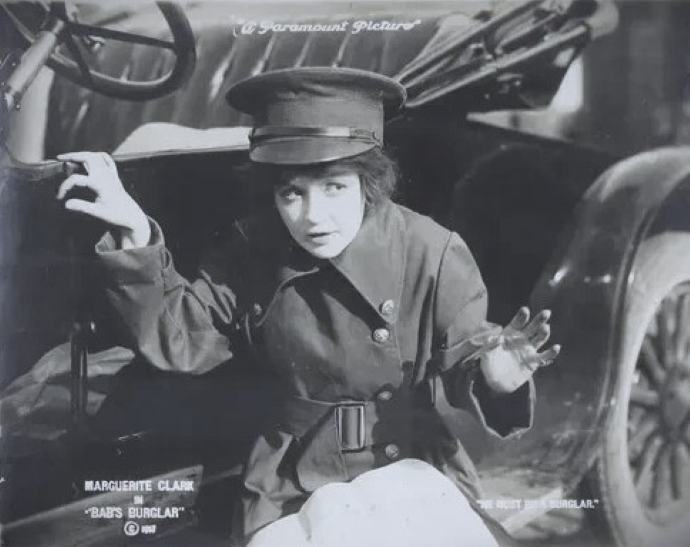
Make no mistake: beneath the pratfalls lies a radical thesis. Bab’s father attempts to use capital as leash; Bab weaponizes scarcity into self-determination. She is the missing link between Miss U.S.A.’s patriotic pageantry and Who Pays?’s socialist melodrama. When she finally unmasks the burglar, she does not turn him over to the constable—she negotiates. A cut of the loot? A partnership? The film slyly refuses to specify, letting the closing iris shot linger on her gloved hand shaking the thief’s, a capitalist compact sealed without paternal sanction.
If Raskolnikov plumbed guilt’s Siberian depths, Bab's Burglar pirouettes across the frozen lake above, giggling at the cracks. If Mysteries of London wallowed in sooty Victoriana, here the grime is lacquered with flapper glitter. Both films understand that crime is society’s mirror; only Bab has the audacity to powder her nose while staring into it.
Historians quibble over the original score, but survivors recall a live orchestra weaving klezmer clarinet with Harlem stride-piano during the taxi sequences, then pivoting to Debussy-esque strings in the mansion’s candlelit corridors. The effect: urban anxiety braided with Gothic suspense, a doppelgänger to Telefondamen’s electronic modernity.
Today’s streaming-era capers—Ocean’s 8, Baby Driver—owe their breezy gender inversion to this 65-minute marvel. Note the way Bab’s crash presages every CGI car-nage; her blueprint sleuthing foreshadows Mission: Impossible’s latex masks. Yet none replicate the film’s frangible humanity: the flicker of fear behind Clark’s bravado, the burglar’s melancholic shrug when he realizes the biggest vault is the heart.
The third act hiccups when comic momentum stalls for a pastoral dream sequence straight out of Merely Mary Ann. And Richard Barthelmess’s cameo as a traffic cop is pure studio nepotism—he looks less like law enforcement than a poet who wandered off the set of Bjørnetæmmeren. Yet these blemishes add patina, reminding us that even masterpieces arrive bearing human fingerprints.
Criterion, Kino, somebody—rescue this print from nitrate oblivion. Let new generations feel the jolt Bab felt when her last cent clinks onto the judge’s bench. Let them confront the same existential ledger: how much of our own allowance—time, love, oxygen—do we squander on chrome fantasies? Bab's Burglar does not moralize; it mesmerizes, leaving you breathless in the wreckage, counting coins that gleam like miniature moons in a velvet dark.
Verdict: 9.2/10—a kinetic fossil that still roars louder than any V8 engine on today’s multiplex screen.
IMDb 6.2
1931
Community
Log in to comment.