DbcultAccessing Vault...
Cult Review
Senior Film Conservator
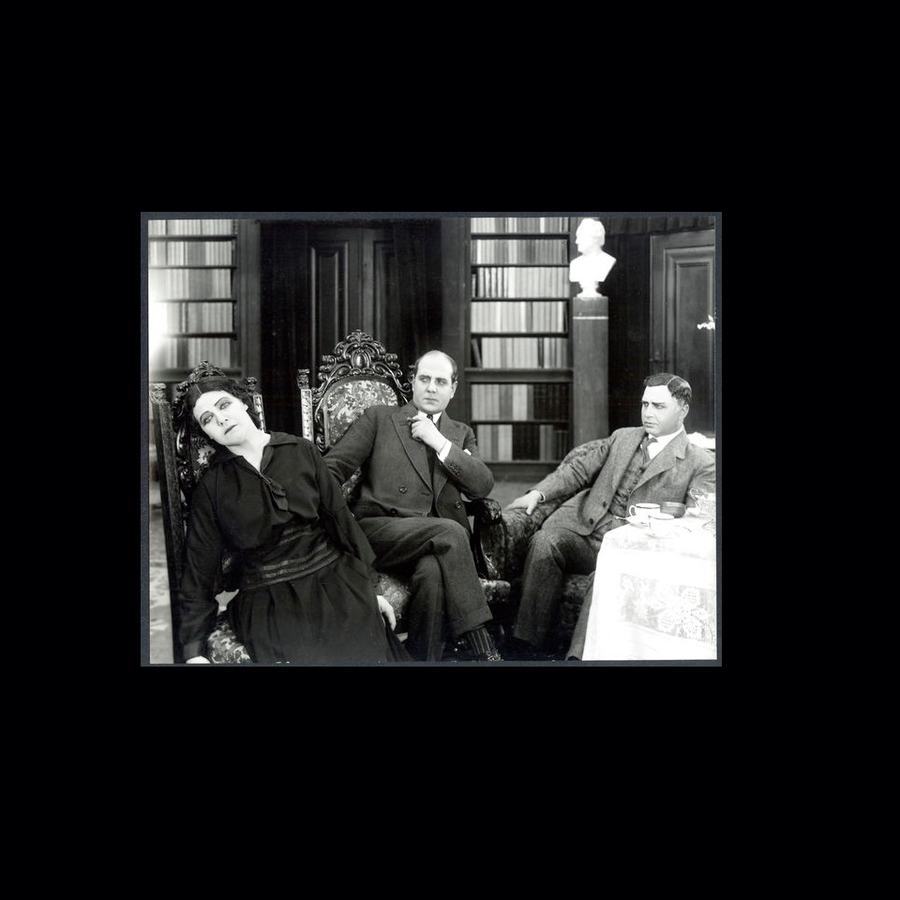
The first thing that strikes you about Brændte vinger is how aggressively the film refuses to be a museum relic. Emanuel Gregers’ 1927 chamber-piece, believed lost in a studio fire that ironically mirrored its narrative, resurfaced two years ago on a nitrate roll labeled only with the Danish word for ash. One splice, one whiff of vinegar, and suddenly the 1920s speak with the urgency of unpaid interest compounding in the dark.
Gregers, better known for maritime melodramas, trades sea-spray for smoke here. The camera glides through corridors like a creditor who already knows which heirlooms are counterfeit, lingering on Thorleif Lund’s blood-shot pupils until the iris-in feels accusatory. Lund’s performance is a masterclass in dissipation: every tremor of his silk-clad fingers calculates the remaining seconds before someone demands the return of the family silver. Opposite him, Johanne Krum-Hunderup operates like a porcelain blade—her stillness so absolute that when she finally smiles at her fiancé’s bankruptcy announcement the gesture lands like a guillotine.
“Debt, the film whispers, is simply fire deferred.”
Cinematographer Carl Theodor Dreyer—yes, that Dreyer, moonlighting before The Chimes and Sealed Lips—treats candlelight as both subject and executioner. Shadows devour cheekbones; a single flare reveals a hidden mortgage deed tucked inside a hymnal. The flicker rate was manipulated in-camera so that flames literally shiver between frames, a trick that anticipates digital glitch by nine decades and makes every spectator suspect their own retina of arson.
Where American counterparts like The College Widow chase pratfalls and Sunshine Dad peddles sentimental reconciliation, Brændte vinger excavates the Protestant terror that pleasure itself is a promissory note Satan will eventually collect. The film’s moral ledger is so bleak that even the match-girl’s charitable gesture—offering the siblings a single sulfur stick to warm their final night—feels like an invitation to self-cremation.
Peter Nielsen, usually the affable bourgeois foil in The Dancer and the King, here resembles a death-mask who’s read the small print on every contract he’s ever drafted. His voice—via Danish intertitles—snaps like brittle sugar: “Property is merely the scent of a crime that hasn’t happened yet.” You can almost hear the rustle of parchment combusting as he speaks.
Gudrun Houlberg, who would later glide through Salomy Jane with frontier swagger, inhabits her seamstress like a woman who’s memorized every scar hidden beneath the city’s corsets. In one chiaroscuro close-up, her pupils reflect the smoldering remnant of a child’s christening gown; the effect is so unnerving that contemporary Copenhagen critics accused the projectionist of secretly striking matches behind the screen.
Art director Alexander B. Brée constructed the manor as a series of concentric firetraps: doorframes narrower at the top so that ceilings appear to press downward; wallpaper hand-printed with motifs of moths whose wings, on closer inspection, form currency symbols. Floorboards were deliberately aged with blow-torches, releasing resin that perfumed the studio like a church nave on Judgment Sunday. The result is an architecture that anticipates its own cremation, a mise-en-scène so claustrophobic you scan every frame for a visible exit and find only mirrors reflecting more flames.
Editor Otto L. Christensen alternates between languid, almost opium-drenched dissolves and percussive jump-cuts timed to the hiss of extinguished candles. A single match being struck is shown in four overlapping fragments—match-head, phosphorus bloom, fingernail, charred stick—so that the spectator experiences ignition as cubist explosion. The technique predates similar experiments in Soviet montage by a full year, suggesting that Nordic despair can innovate as ruthlessly as revolutionary fervor.
Compare this to Più forte del destino, where Italian swagger elongates melodrama into operatic flourish; Gregers instead fractures duration until time itself feels singed.
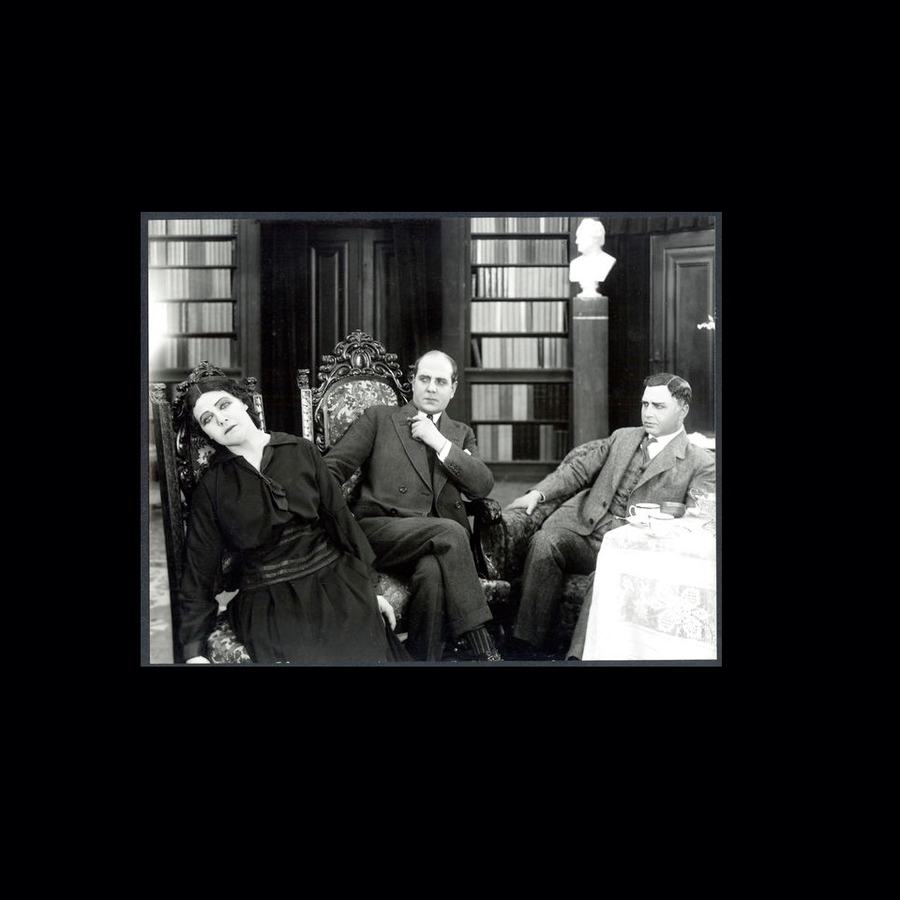
While The Last Egyptian employed a synchronized drumroll to herald each narrative twist, Brændte vinger weaponizes hush. The archival print arrives without its original score, and the vacuum is so absolute you become hyper-aware of auditorium creaks, your own pulse, the faint smell of projector dust smoldering. In that void, the flickering image feels like found footage from a crime scene, a sensation compounded when the final intertitle lingers on-screen long enough for the words to etch themselves onto your retina like after-burns.
Unlike The Primrose Path, where feminine virtue ultimately douses male excess, Gregers’ film insists that sin is gender-blind and highly portable. Krum-Hunderup’s fiancée sells her engagement ring to purchase kerosene, then uses the same ring’s box to store the match that will ignite her bridal gown during the closing scene—a circular economy of self-immolation that feels terrifyingly sustainable.
Meanwhile, Marie Dinesen’s housekeeper—usually relegated to comedic asides—delivers a monologue (via intertitle) about how fire “prefers the laundry because even linen remembers every stain it has ever cradled,” a line so incantatory you suspect Gregers of smuggling poetic scripture into what trade papers dismissed as yet another “fallen-aristocracy potboiler.”
In an era when liquidity crises flare faster than 1920s newsreels can spin, Brændte vinger feels less like historical footnote than premonition. NFT speculation, student-loan pyramids, crypto-riches vaporized overnight—these are merely new kinds of tinder. Gregers intuited that capitalism’s core fuel isn’t gold but paper promises, and paper, as the film keeps showing us, burns with the colors of sunrise.
Restoration team Lumière Nordic opted against digital de-flickering, preserving every guttering candle as ecological truth. The choice yields moments where the image seems alive, a chthonic heart pulsing beneath your ribcage. Watch it on a 4K projector and you’ll notice embers drifting across the frame that were never in the negative—optical phantoms birthed by the interplay of light and scorched gelatin. Those ghosts feel appropriate: a film about inheritance should arrive trailing spectral progeny.
Set Brændte vinger beside The Spartan Girl and you see two civilizations wrestling with fiscal shame: Hollywood papering it over with athletic escapism, Denmark staring into the ember until the retina scars. Pair it with The Cook of Canyon Camp and you realize both films equate domestic labor with alchemical power—only Gregers denies the audience the comfort of a comic sizzle, substituting instead the smell of sulfur and singed hair.
Even The Fatal Card, steeped in gambling metaphysics, lacks the nerve to suggest that the ultimate wager is your ancestral name written on a promissory note soaked in lamp oil.
If you crave reassurance that the past was quaint, stay with A Little Brother of the Rich or Souls in Bondage, where virtue ultimately balances the books. If, however, you can stomach a film that clutches your collar with soot-black fingers and whispers that redemption is just another IOU awaiting a spark, then Brændte vinger will scorch you in ways that blister long after the house lights brighten.
And when you exit the cinema, do not be surprised if the night air smells of winter chimneys, or if your own breath fogs like smoldering parchment. Some films merely end; this one combusts—leaving you to walk home carrying invisible cinders in the lining of your coat, wondering which of your own promises might be written in the most flammable ink.

IMDb 5.6
1935
Community
Log in to comment.