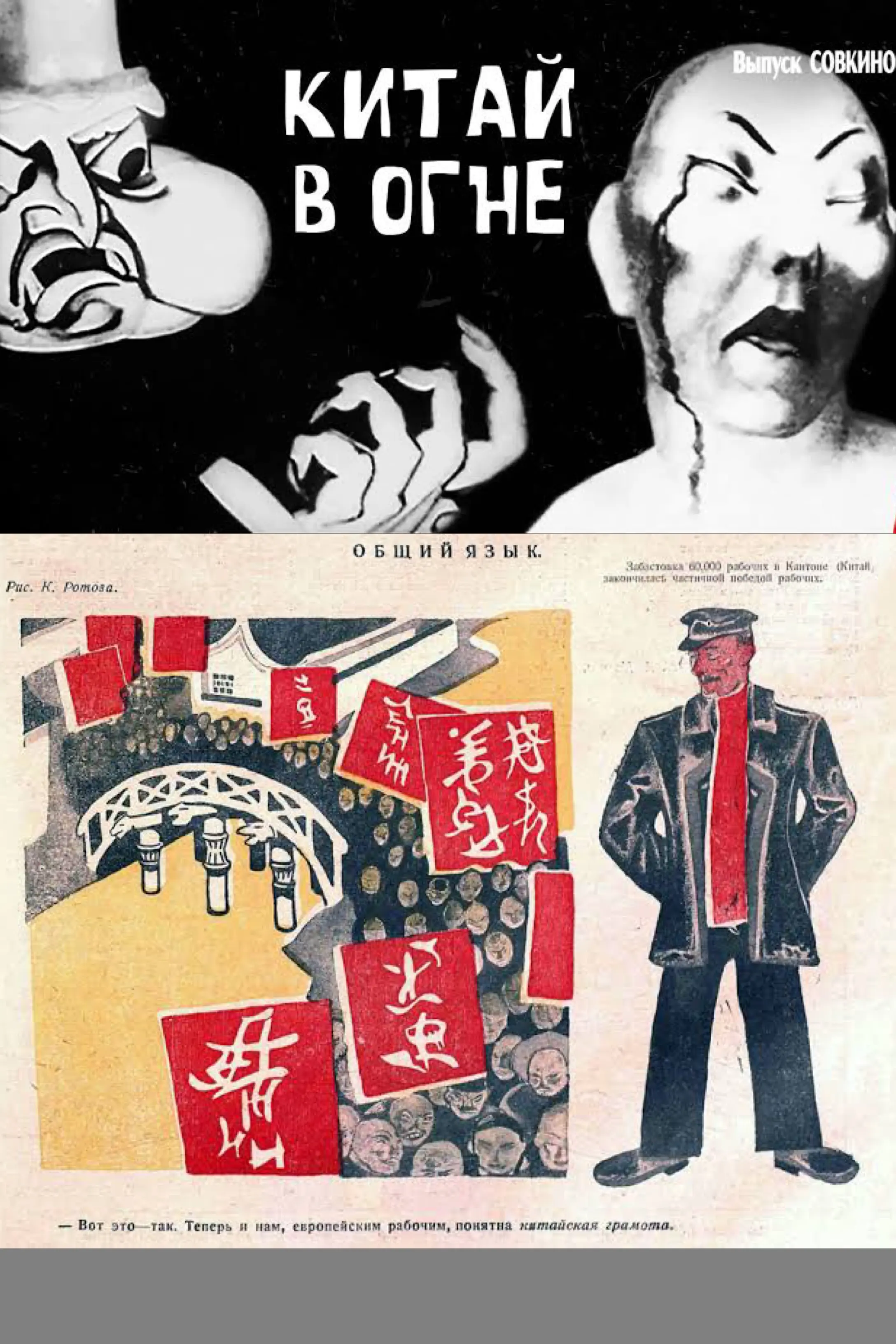
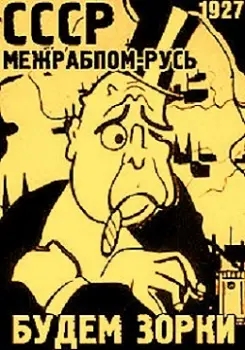
Billed as "a cinema-propaganda poster," this 1927 short advocates the purchase of government bonds as a means to combat a British trade embargo. Its dynamic interpolation of newsreel footage and animation is a good deal more radical than its political message.
Nikolay Khodataev
Soviet Union
Is 'Budem zorki' worth watching today? Short answer: absolutely, but for reasons likely far removed from its original, fervent intent. This 192...
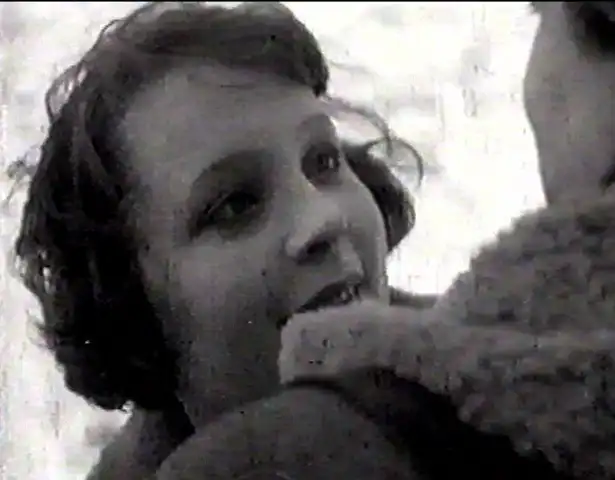
Comparing the cinematic DNA and archive impact of two defining moments in cult history.
Nikolay Khodataev
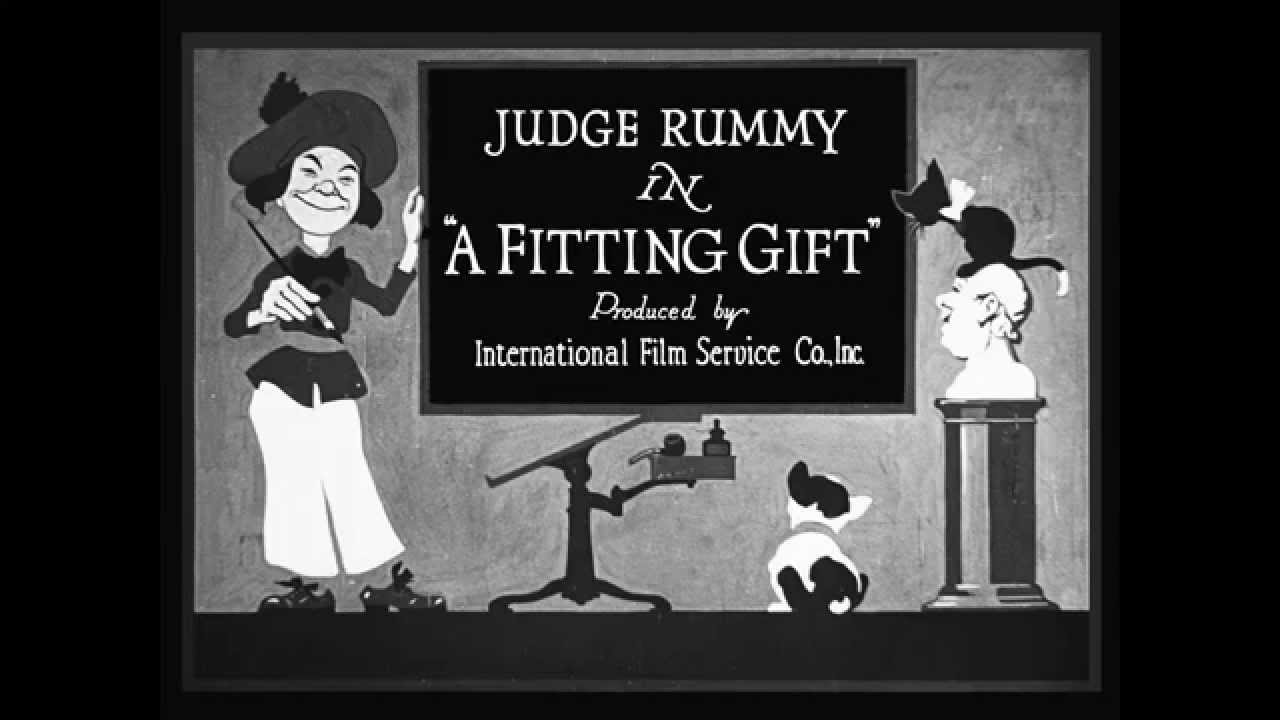
Unknown Director
Community
Log in to comment.
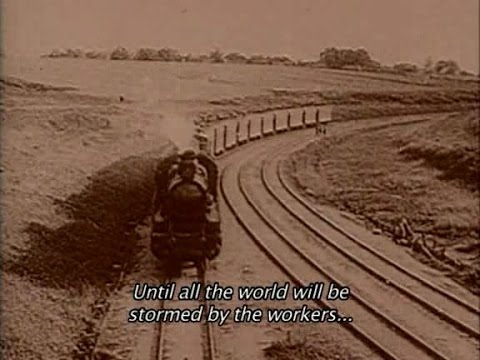
"Budem zorki," a 1927 short, emerges less as a narrative film and more as a kinetic, ideologically charged artifact. Conceived as a direct "cinema-propaganda poster," its primary objective is to galvanize the Soviet populace into purchasing government bonds. This financial initiative, the film asserts, is the crucial bulwark against a looming British trade embargo. However, its true significance transcends this explicit political mandate. The film's radical strength lies in its audacious formal experimentation: a relentless, almost jarring, fusion of authentic newsreel snippets with vibrant, often satirical, animation. This synthesis doesn't merely convey a message; it constructs a visual argument, leveraging the perceived truth of documentary footage against the allegorical power of cartooning to create a singularly persuasive and stylistically groundbreaking piece of agitprop cinema.
"Is 'Budem zorki' worth watching today? Short answer: absolutely, but for reasons likely far removed from its original, fervent intent. This 192..."
Short, Animation