DbcultAccessing Vault...
Cult Review
Senior Film Conservator
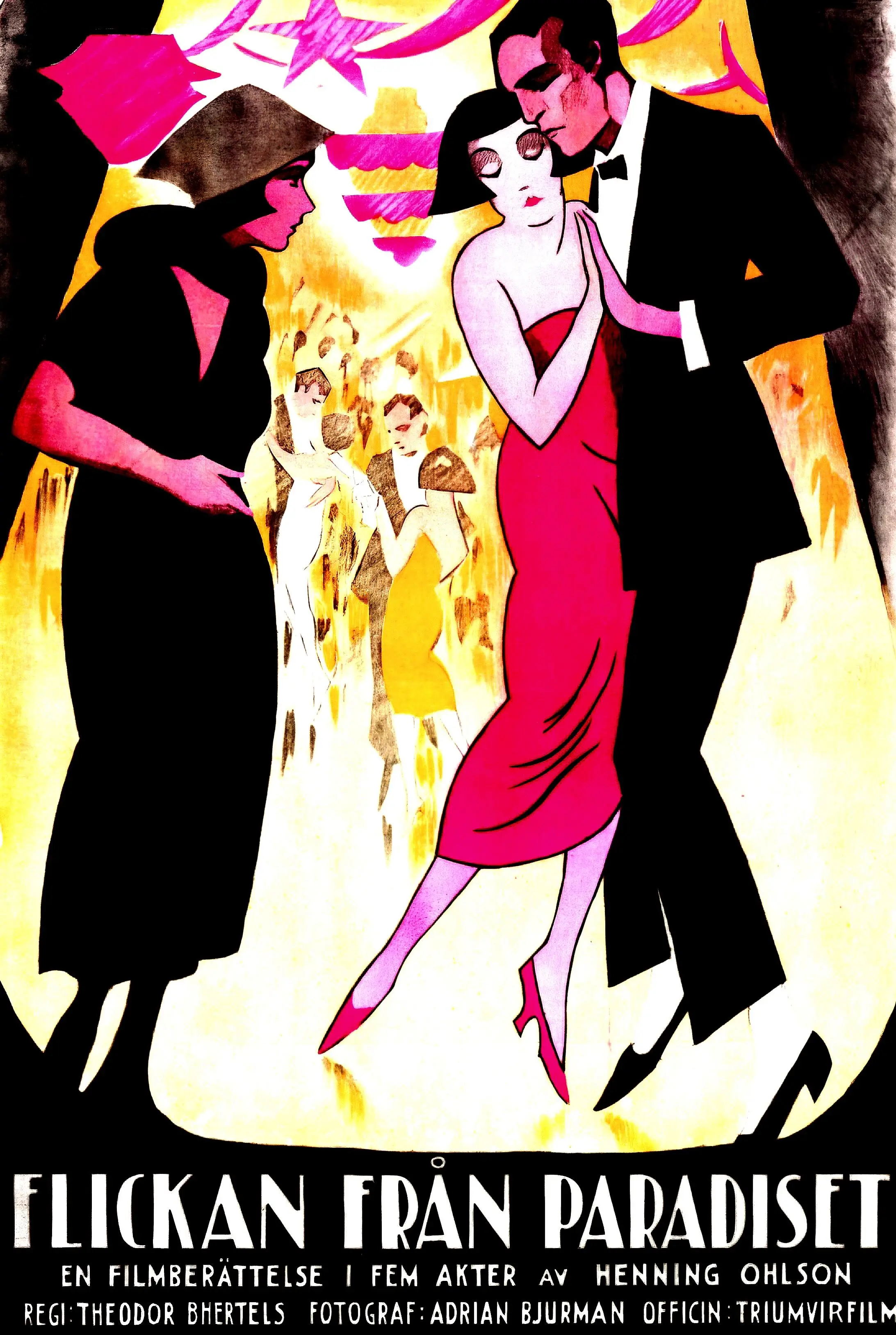
Stepping into the world of Flickan från paradiset, or 'The Girl from Paradise,' is akin to unearthing a forgotten treasure, a cinematic artifact that speaks volumes about an era’s anxieties and aspirations. This film, penned by Henning Ohlson, unfurls a narrative deeply entrenched in the soil of human ambition and the enduring struggle between the pastoral ideal and the inexorable march of industrial progress. It’s a compelling tableau, painted with broad strokes of familial duty, burgeoning greed, and the quiet dignity of a life tethered to the land. The story centers on the Gudmundson family, custodians of the aptly named Paradise farm, a sprawling estate that embodies both their heritage and their future. But this paradise is not without its serpent, or rather, its subterranean allure, threatening to unravel the very foundations upon which their lives are built.
At the heart of this unfolding drama is Torkel Gudmundson, portrayed with a gravitas that suggests years of toil and quiet contemplation by Wictor Hagman. Torkel is the patriarch, a man whose identity is inextricably linked to the land he cultivates. His concern over his eldest son, Ragnar (Gösta Nohre), becomes the initial ripple in the film's otherwise placid waters. Ragnar, it seems, possesses little of his father’s agrarian fervor, his gaze seemingly fixed beyond the fields and into a future less tethered to the earth. This generational disconnect is a poignant, universally resonant theme, capturing the perennial conflict between established tradition and burgeoning, individualistic desires. Torkel’s worry isn't merely about the continuity of a farm; it’s about the very soul of his family legacy, the potential for an ancestral way of life to simply wither on the vine. The performances here, particularly Hagman's portrayal of Torkel, would have conveyed this internal turmoil through subtle gestures, a furrowed brow, or a weary sigh, amplified by the emotive power of silent cinema.
The true catalyst, however, emerges from the very ground that sustains them. During the mundane but essential task of digging a new well, Måns, the diligent farmhand whose quiet presence is brought to life by Uno Henning, stumbles upon a discovery that promises to irrevocably alter the Gudmundsons’ fate: iron ore. This is not just a geological finding; it is a Pandora's Box, a subterranean harbinger of change. The land, once merely a source of sustenance and identity, suddenly reveals itself as a repository of immense industrial wealth. This pivotal moment shifts the film from a domestic drama of familial succession into a high-stakes conflict over land, resources, and power. The arrival of Engineer Ruterberg, a character embodying the ruthless efficiency of nascent industry, is brilliantly executed by Gösta Hillberg. Ruterberg, with his calculated demeanor and keen eye for opportunity, represents the external force that threatens to consume Paradise. His offer for the farm isn't just a business proposal; it’s an assault on Torkel’s heritage, a direct challenge to his very existence. This clash between the pastoral and the industrial is a timeless narrative, echoed in many cinematic works, but here it feels particularly raw and immediate.
The film’s brilliance lies in its ability to dramatize this conflict not just on an economic level, but on a deeply personal one. The farm, Paradise, is more than just property; it is a living entity, infused with the memories and labor of generations. The prospect of tearing it open for its mineral wealth is framed almost as a sacrilege, a violation of a sacred trust. The narrative skillfully explores the various reactions within the family and the wider community to this seismic shift. Ragnar's initial detachment might transform into a new kind of interest, perhaps swayed by the allure of quick wealth, further complicating his relationship with his traditionalist father. Other characters, like Hilda Borgström, whose presence often imbued roles with profound emotional depth, would likely portray the silent suffering or steadfast resilience of the women caught in the crosscurrents of such monumental decisions. Her portrayal, perhaps as Torkel's steadfast wife, would ground the film's grander themes in tangible human experience, offering a counterpoint to the men's more overtly economic struggles. The inherent tension in such a scenario – the promise of riches versus the preservation of heritage – provides fertile ground for profound cinematic exploration, characteristic of early 20th-century European cinema that often grappled with the societal transformations brought about by industrialization.
The silent era, in which Flickan från paradiset was produced, demanded a particular kind of storytelling, one that relied heavily on visual metaphors, exaggerated gestures, and evocative cinematography. One can imagine the sweeping wide shots of the Paradise farm, bathed in natural light, emphasizing its isolation and beauty, making the subsequent intrusion of mining machinery all the more jarring. The contrast between the verdant fields and the dark, scarred earth of an open-pit mine would have been a powerful visual statement. The film's direction would have used close-ups to capture the nuanced emotional landscape of its characters – the worry etched on Torkel’s face, the calculating glint in Ruterberg’s eyes, or the conflicted expression of Ragnar. The pacing, too, would be crucial; a slow, deliberate build-up establishing the idyllic setting, followed by a quickening rhythm as the industrial threat looms larger, culminating in a dramatic confrontation or a poignant resolution. This cinematic language, though lacking spoken dialogue, often achieved a depth of emotional resonance that modern films sometimes struggle to replicate, relying instead on the universal language of human expression and meticulously crafted mise-en-scène. The film's title itself, 'The Girl from Paradise,' hints at a central female figure, perhaps Jessie Wessel, whose journey or perspective could serve as an emotional anchor, witnessing the transformation of her world and embodying the hope or despair of a changing Sweden.
The supporting cast, featuring talents like Mathias Taube, Åke West, Carl Ström, and Fridolf Rhudin, would have added layers of authenticity and character to the rural community. Each face, each minor interaction, would contribute to the tapestry of life in and around Paradise, making the threat to its existence feel all the more impactful. Taube, known for his versatile roles, might embody a skeptical neighbor or a local official caught between tradition and progress. Rhudin, often a comedic presence, could perhaps offer moments of levity or poignant observation amidst the unfolding drama, a common technique in silent films to balance tension. The collective portrayal of this community helps contextualize the Gudmundsons' struggle, making it not just a personal battle, but a reflection of broader societal shifts occurring across Sweden and indeed, much of Europe, during a period of rapid industrial expansion.
Comparing Flickan från paradiset to other films of its era, one might draw parallels with narratives exploring the vulnerability of traditional livelihoods in the face of modern capitalism. For instance, films like Other People's Money, while perhaps more overtly about financial machinations, share a thematic core of external forces attempting to acquire and exploit existing assets for profit. The emotional and social undercurrents of family drama and societal pressure might also resonate with the nuanced character studies found in films like Blessée au coeur, where personal wounds are often inflicted by larger societal or familial conflicts. The struggle of a single individual or family against overwhelming odds, a common trope, finds poignant expression here, much like the underdog spirit in Smashing Barriers, though the battles fought are vastly different in nature. Here, the barrier isn't physical, but an ideological and economic chasm. The film's engagement with the transformation of a rural landscape under the pressure of resource extraction also echoes themes, albeit in a different vein, found in stories about communities grappling with changing circumstances, such as The Parson of Panamint, where community values are tested. This film, in its quiet Swedish way, contributes significantly to the global cinematic conversation about progress, heritage, and the soul of a nation.
The choice of Henning Ohlson as writer suggests a narrative steeped in a keen understanding of human nature and societal dynamics. Ohlson’s ability to weave a tale that is both specific to its cultural context and universally applicable is evident in the plot’s elegant simplicity and profound implications. The discovery of iron ore isn't just a plot device; it's a symbol of the larger forces at play in the early 20th century, a time when many agrarian societies were rapidly industrializing. This film, therefore, acts as a historical document, a window into the anxieties and hopes of a nation grappling with its own modernization. It forces us to ponder the true cost of progress: what do we gain, and what do we sacrifice, when we choose the path of industrial expansion over the preservation of natural beauty and ancestral ways? The narrative doesn't offer easy answers, but instead invites contemplation, leaving the audience to wrestle with the moral and ethical dilemmas presented. The visual storytelling, characteristic of the silent film era, would have allowed these complex themes to unfold with a unique grace and directness, bypassing the need for extensive dialogue and relying instead on the power of imagery and performance to convey meaning.
In essence, Flickan från paradiset is far more than a simple rural drama; it's a resonant exploration of identity, legacy, and the relentless march of time. It pits the spiritual value of land against its material worth, challenging its characters – and by extension, its audience – to consider what truly constitutes 'paradise.' Is it the untouched beauty of nature, the continuity of family tradition, or the promise of prosperity that lies beneath the surface? The film, even in its summarized form, promises a rich tapestry of human emotion and societal critique. It underscores the enduring power of cinema to capture the zeitgeist of an era, reflecting back to us the eternal conflicts that define the human condition. The final moments, whether they depict a triumphant industrialist, a broken patriarch, or a family finding a new equilibrium, would have left an indelible impression, a testament to the film's thoughtful construction and its powerful thematic core. It’s a story that continues to resonate, reminding us that the clash between progress and preservation is a battle continually refought, in different landscapes and different times, but always with the same profound questions at its heart.
IMDb —
1919
Community
Log in to comment.