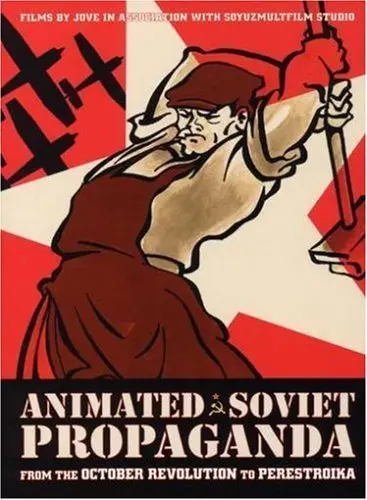
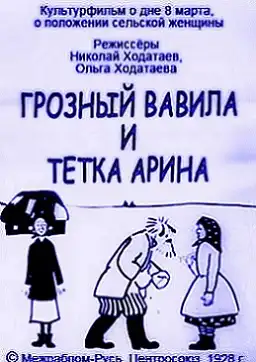
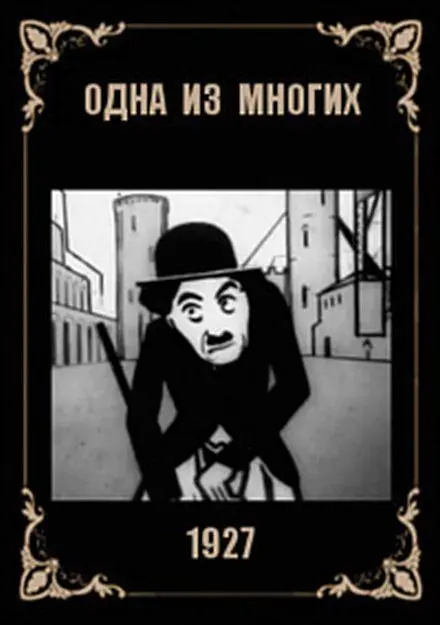
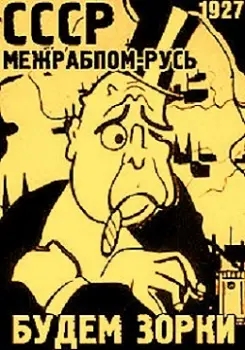
CHINA IN FLAMES rallies popular support for the Soviet Union's alliance with China using an eclectic array of animation techniques and rhetorical strategies. Bold cut-out caricatures of greedy imperialists give way to an allegorical story about rice farmers done in the style of Chinese watercolors.
I. Vinogradov
Soviet Union
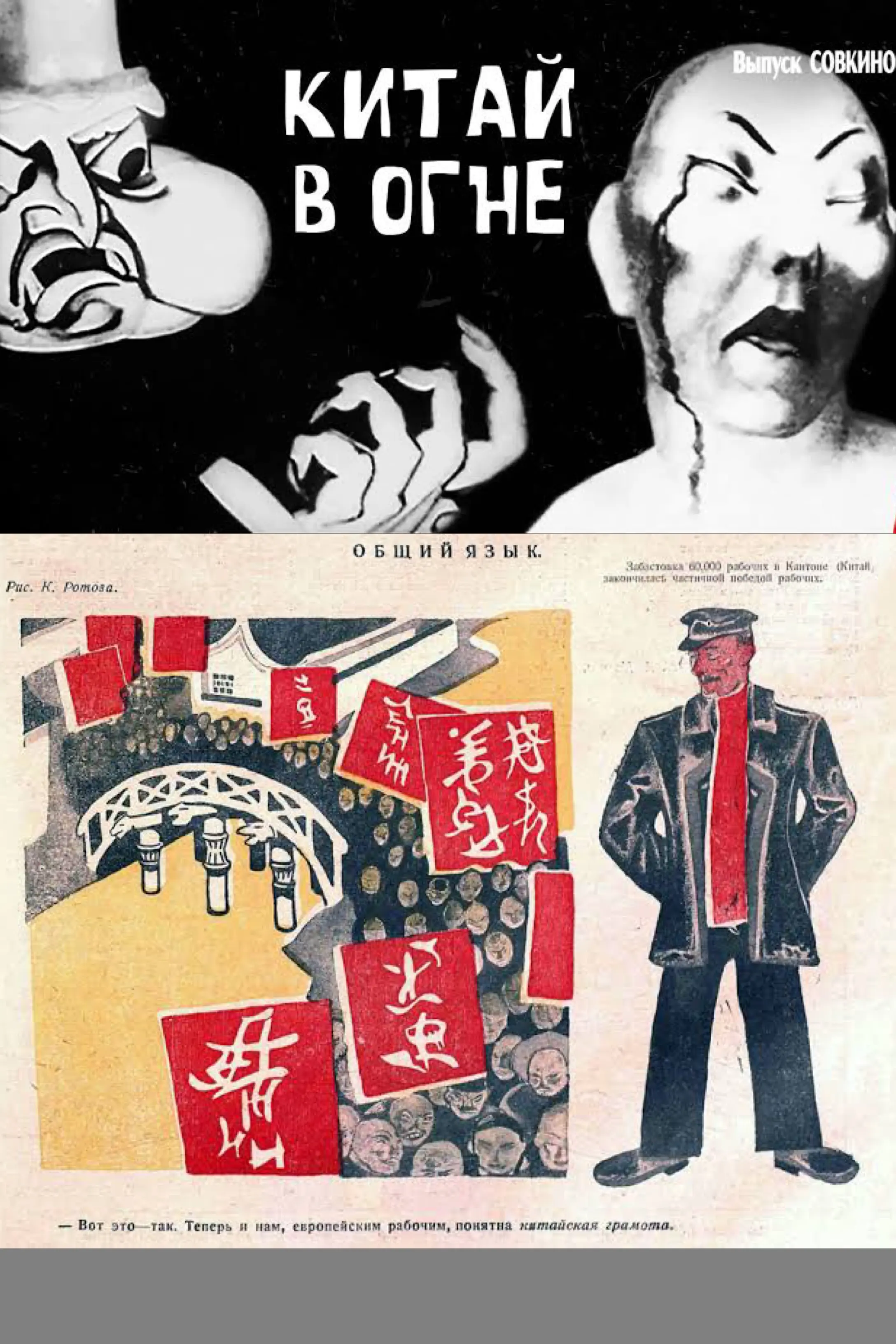
body { background-color: #000; color: #fff; }In the realm of cinematic propaganda, few films have achieved the visual and rhetorical sophistication of 'Kitay v ogne (Ruki proch ot Kitaya!)'. This cinematic endeavor, produced in the Soviet era, exemplifies the montage style's capacity for synthesizing complex ideas and...

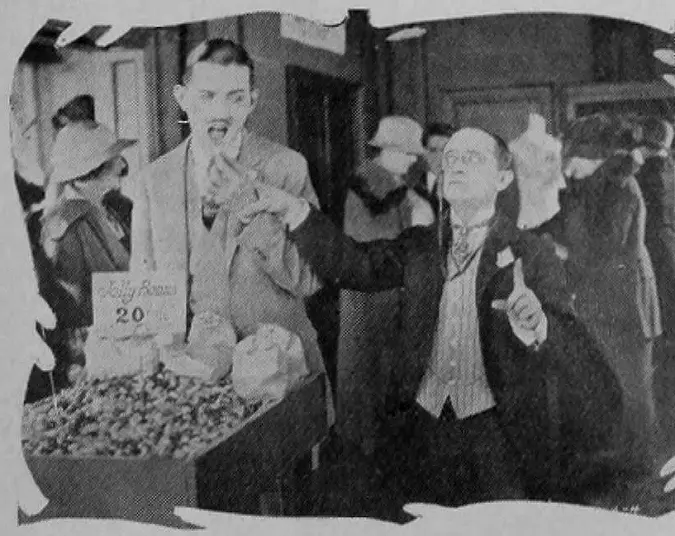
Comparing the cinematic DNA and archive impact of two defining moments in cult history.
Nikolay Khodataev

Hal Roach
Community
Log in to comment.
"body { background-color: #000; color: #fff; }In the realm of cinematic propaganda, few films have achieved the visual and rhetorical sophistication of 'Kitay v ogne (Ruki proch ot Kitaya!)'. This cinematic endeavor, produced in the Soviet era, exemplifies the montage style's capacity for synthesizing complex ideas and emotions through innovative editing and graphic design.The film's narrative is a tapestry of vignettes, each showcasing a distinct animation technique and artistic approach. The o..."
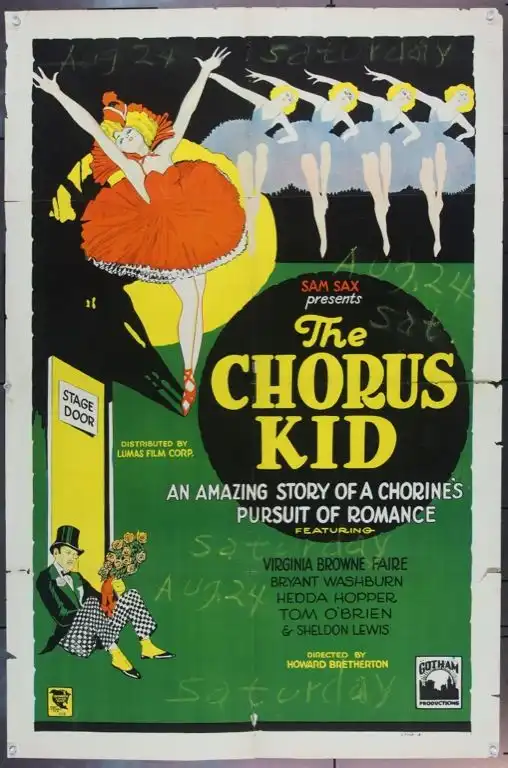
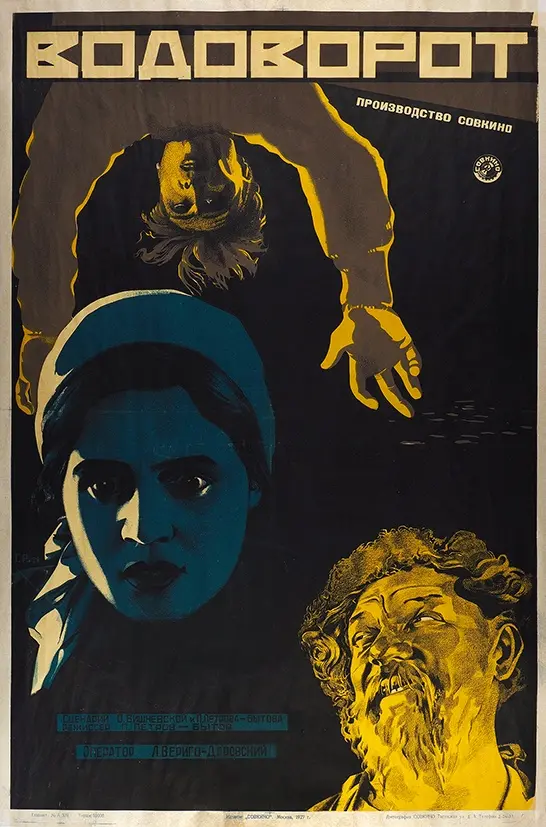
Deep dive into the cult classic
Discover similar cinematic experiences
A Directorial Spotlight on Nikolay Khodataev