Viktor Bulach, Mikhail Insarov-Vaks, P. Korotkov
Soviet Union
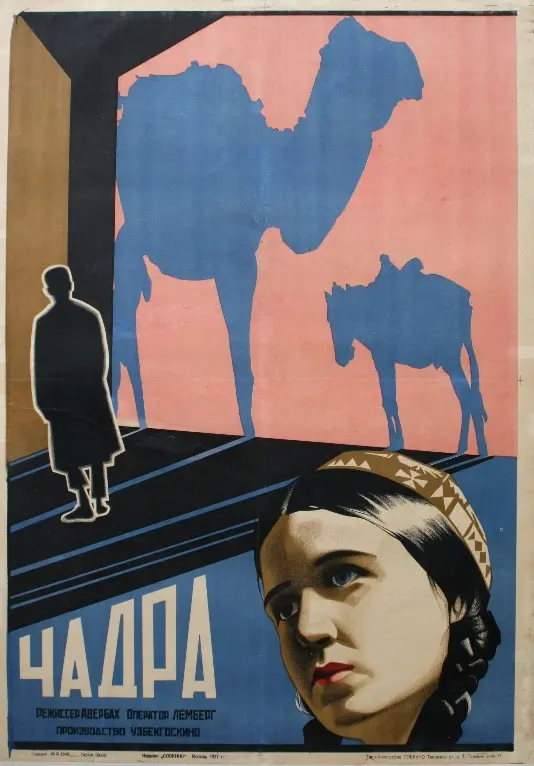
Is Chadra a relic worth digging up in the 21st century? Short answer: yes, but only if you are prepared to confront the uncomfortable intersection of genuine liberation and state-sponsored propaganda. This film is essential viewing for historians and silent cinema enthusiasts, but it is definitely not for those seeking...
Comparing the cinematic DNA and archive impact of two defining moments in cult history.
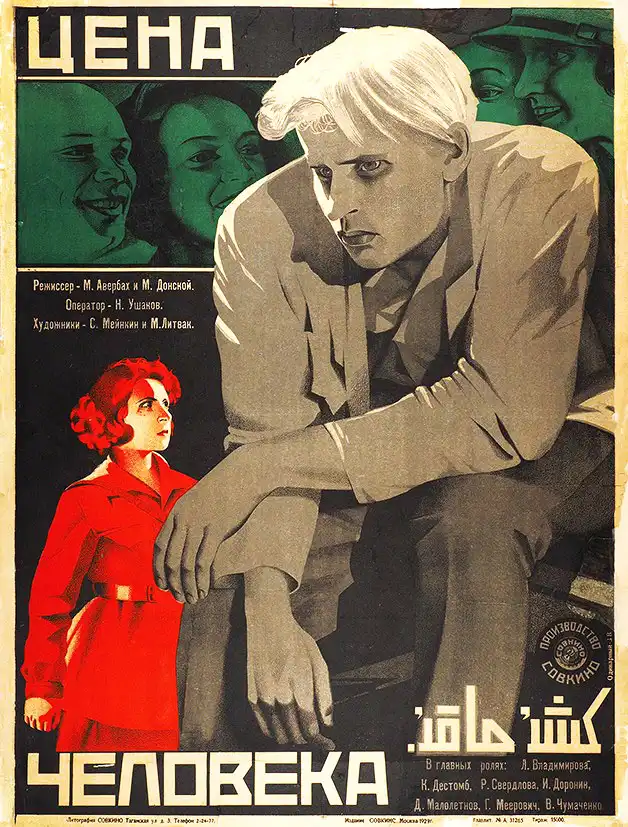
Mikhail Averbakh
Robert N. Bradbury
Community
Log in to comment.
"Is Chadra a relic worth digging up in the 21st century? Short answer: yes, but only if you are prepared to confront the uncomfortable intersection of genuine liberation and state-sponsored propaganda. This film is essential viewing for historians and silent cinema enthusiasts, but it is definitely not for those seeking a lighthearted or politically neutral evening of entertainment.The Direct Verdict1) This film works because it captures a authentic, visceral sense of place and time that no moder..."