Summary
Gaslight flickers across velvet drapes as an aging Walther—once the sovereign of the footlights—strides through a gala Faust, his still-magnetic baritone shadowed by the brittle smile of Leonie, the young bride who has become both his Electra and his muse. In the wings, Charles Lacour, a rising comet of raw virility, watches her bloom beneath the calcium flare; his applause detonates like muffled cannon-fire, ricocheting through the proscenium and into the marrow of Dora, the spurned ingénue whose gaze curdles from affection to arsenic. One misplaced banquet, one treacherous parquet, and Walther’s femur snaps—a dry, decisive crack that ends not only a career but the fragile equilibrium of a marriage. Months of convalescence rot into paranoia: crutches become scepters of suspicion, the dressing-room mirror a tribunal where love is cross-examined by jealousy. Leonie’s kindness to the attentive Lacour is twisted into evidence; Walther’s nightmares seep into daylight, staining every bouquet, every handwritten scrap. On the night of their new co-starring vehicle a prop revolver waits on Lacour’s table like a sleeping adder; Dora, scorned and surgical, swaps it for a live weapon, then watches from the flies as art devours life. The gun barks, Leonie crimson-spattered collapses in a heap of tulle and gasps, the audience frozen in a tableau of delicious horror. Arrest, scandal, the clang of iron doors—yet the true bullet is the letter Walther abandons in his haste, a confession of despair that will later exhonerate the wrong man. Bedside repentance, a judge’s chambers drenched in winter light, Dora’s belated mea culpa spring the cage; Lacour emerges blinking into freedom only to find Leonie already drifting beyond his reach. In a final dressing-room triangulation Walther presses a valedictory note into her palm—ink still wet with renunciation—and slips away, leaving the curtain to descend on an empty stage where love, having spoken, chooses silence.
Synopsis
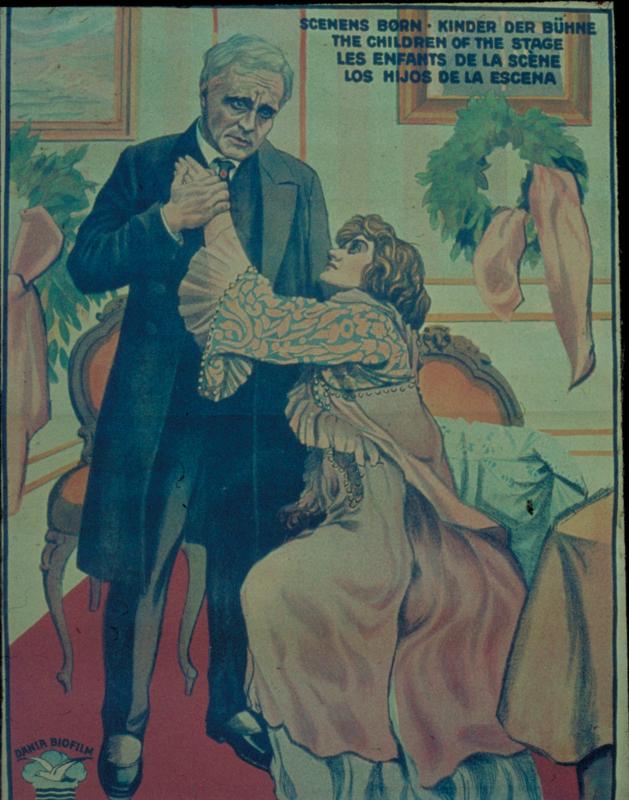
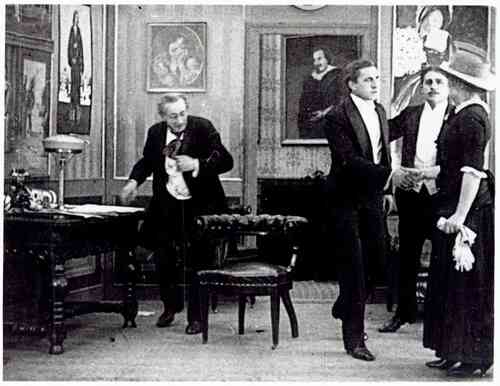
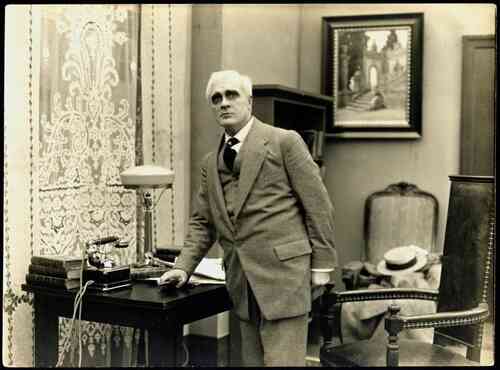
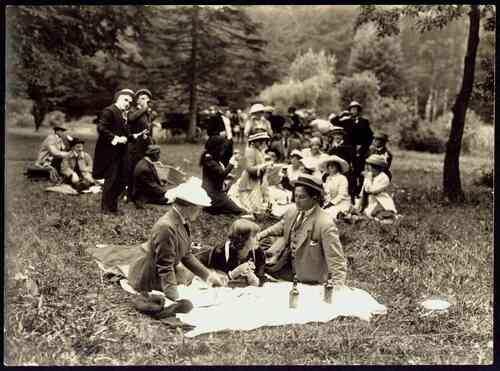
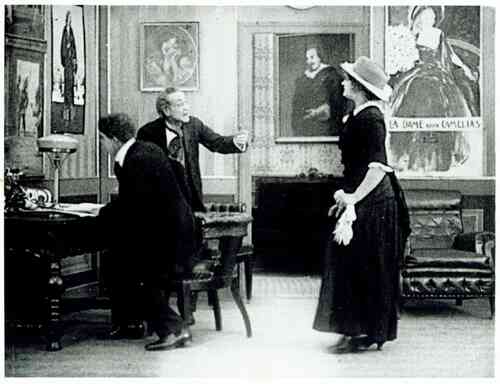
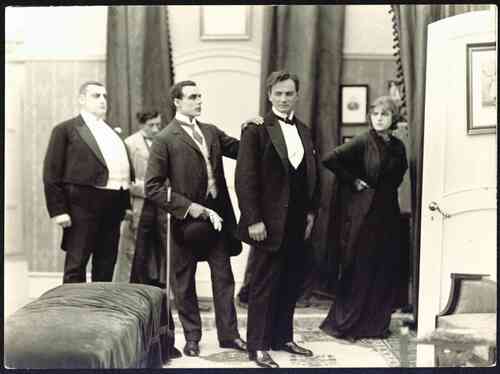
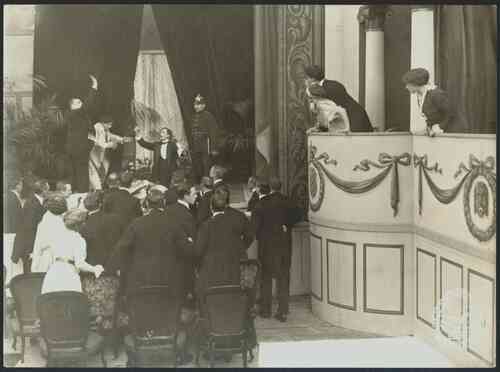
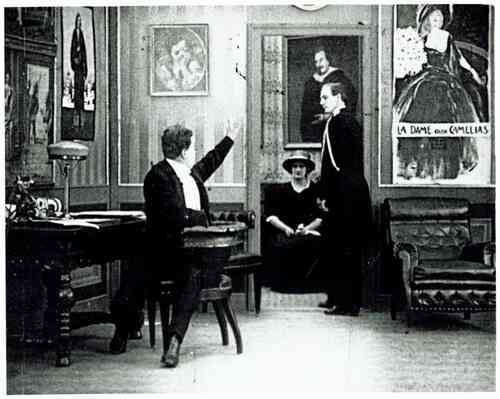
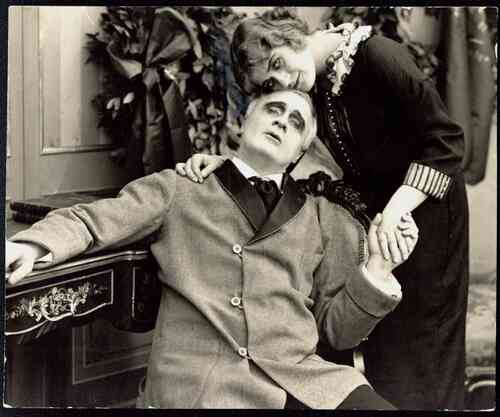
Walther and his young wife, Leonie, are both great favorites of the stage. In spite of the great difference in their ages they are very happy together. During a gala performance in which Leonie plays "May," and Walther "Faust," a young actor in the company, Charles Lacour, who is seated in the actors' box, falls in love with Leonie. His passion leads him to enthusiastic applause. His ardor is noticed by Dora, the actress to whom he has been very attentive. After a reception that is given the players behind the scenes, the manager invites them all to a public. In the midst of the gaiety, Walther falls and breaks his leg. The doctor is hopeful of a complete recovery, but to the actor it means that his career is over. Walther's despair increases as the months pass. He is deeply disturbed by Lacour's attention to Leonie and believes that she baa encouraged him. Many disagreeable scenes are enacted between the couple. Leonie realizes all that Walther suffers and excuses him, but it is difficult for her to refuse the attentions of Lacour. At the theater, Leonie and Lacour are to act together, A revolver, which is to be used in the play, is placed on Lacour's dressing table. The jealous Dora sees this and also Lacour, when he gives Leonie a bouquet. Dora goes to Lacour to remind him of their past relations, but he spurns her. She resolves to be revenged. Walther is in his wife's dressing room when Leonie enters with Lecour's flowers. There is a scene when the husband picks up a note which drops from the bouquet and reads, " - Better for us both to make an end of it than to live on in this way." He seizes a revolver and rushes to Lacour's room, where he finds Dora. While waiting the manager enters. During the interruption Dora changes the two revolvers. Lacour soon after comes in, takes the loaded revolver and hurries to the stage. Dora sees that her revenge is at hand. The accident occurs on the stage. Lacour shoots Leonie. The theater is thrown into confusion. The manager rushes for Walther, who in his excitement leaves the compromising note in the dressing room. Dora finds the note and gives it to a detective, who arrests Lacour, Leonie, though seriously wounded, recovers. During her convalescence, Dora visits her and tells her of Lacour's arrest. Walther and Leonie have a stormy scene. "I have never deceived you," Leonie cries, "It is your duty to save Lacour from suffering punishment for a crime he has not committed." The husband promises to do all that is in his power. Dora, overcome by remorse, goes to the judge and confesses. Lacour is released. He meets Leonie for a last farewell. Walther is present and perceives where his duty lies. He writes a note to Leonie telling her that he and not Lacour must say, "Farewell." His note ends, " - I have no right to be in your way. I set you free."
Review Excerpt
"
Scandinavia, 1914: while Europe arms itself for industrial slaughter, a Copenhagen studio whispers a smaller, more intimate apocalypse—the implosion of a theatrical marriage caught in the klieg lights.
Children of the Stage, or When Love Speaks arrives like a moth-eaten playbill you discover pressed inside a 19th-century Bible: fragile, sepia, yet somehow radiating the heat of the footlights it depicts. Directed by Bjørn Bjørnson—yes, blood of Ibsen’s nemesis—the picture distills a boulevard m..."