DbcultAccessing Vault...
Cult Review
Senior Film Conservator
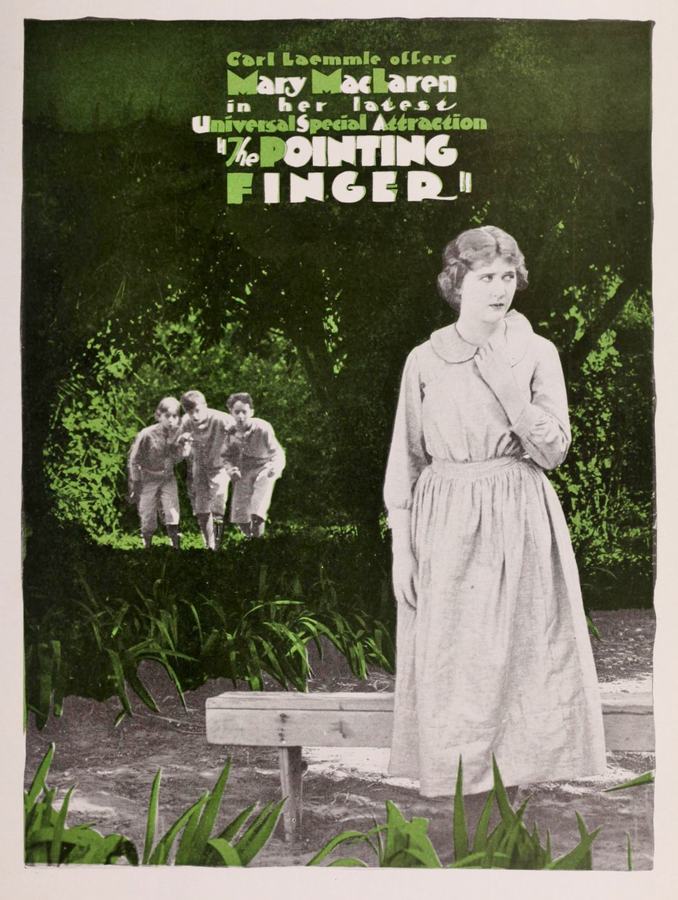
Mary MacLaren's Mary Murphy exists in that liminal space between desperation and dignity that defines silent cinema's most compelling heroines. When she pilfers that dress—not luxury but necessity incarnate—we witness an act of self-creation. The coarse institutional smock discarded in shadowed alleyways symbolizes emancipation from predetermined fate. Yet this very garment becomes her scarlet letter when Grosset (Carl Stockdale, oozing oleaginous menace) exploits coincidental timing to frame her for his grand larceny. Director Joseph Boyle constructs these parallel transgressions with surgical precision: Mary's victimless crime of survival juxtaposed against Grosset's calculated betrayal of trust, establishing cinema's enduring fascination with the optics of guilt versus its substance.
Mary's transformation for Professor Saxton (John Cook, brilliantly conveying academic detachment) remains a masterclass in societal performance. Witness her deliberate dowdiness—hair scraped back, spectacles donned, vibrant spirit suppressed—to satisfy an employer who views beauty as professional impediment. This calculated self-effacement echoes Carmela, la sartina di Montesanto's exploration of class disguise, yet transcends mere subterfuge. Charlotte Woods imbues Mary with exquisite tension: shoulders perpetually hunched as if carrying invisible burdens, eyes darting like cornered prey, yet fingers moving with confident precision among Saxton's beetle specimens. Her scientific competence becomes quiet rebellion against prescribed helplessness.
"The microscope becomes her confessional—in examining insects, she dissects her own trapped existence."
Enter David (David Butler, radiating earnest charm), the nephew whose gaze dismantles Mary's defenses. Their courtship unfolds through stolen moments among pinned Lepidoptera, Saxton's laboratory transforming into an unlikely Eden. Cinematographer Jacob Kull lenses their interactions with revolutionary soft-focus close-ups—dust motes dancing in sunbeams as David's hand brushes hers during specimen handling, the steam from their teacups mingling like whispered promises. Their romance avoids saccharine traps by rooting affection in shared curiosity, reminiscent of Old Heidelberg's intellectual intimacy.
Carl Stockdale's villainy avoids melodramatic mustache-twirling through psychological plausibility. Grosset doesn't merely seek wealth; he requires Mary's vilification to validate his own corruption. His arrival at Saxton's mansion isn't happenstance—it's predator returning to the scene of abandoned prey. Stockdale communicates menace through unsettling stillness: fingers steepled while issuing blackmail demands, lips curling without smiling, eyes dead as beetle carapaces. His physicality contrasts Mary's skittishness—broad shoulders blocking doorways, footsteps echoing with institutional authority. When he plants stolen bonds in Mary's room, the act mirrors society's tendency to burden the disempowered with collective sins.
The film's titular 'pointing finger' manifests not through accusation but revelation. Boyle subverts the deus ex machina by establishing Saxton's presence early—seen briefly adjusting curtains before Grosset's confrontation—making his climactic emergence feel earned. The curtain itself becomes potent symbolism; heavy velvet separating truth from perception. Saxton's delayed intervention critiques passive observation, asking whether principled neutrality enables evil. His final testimony—"I observed everything"—lands with seismic impact precisely because Cook underplays it, delivering the line while methodically cleaning his spectacles as if clearing moral vision.
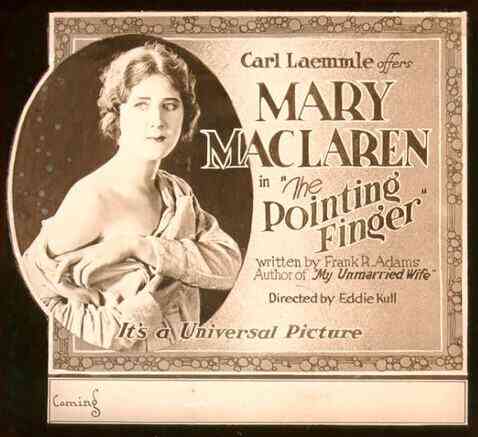
Costume designer Eleanor Vance crafts sartorial metamorphosis reflecting inner transformation. Mary's orphanage rags speak of institutional erasure. Her stolen dress—initially symbolizing hope—becomes cursed evidence. The drab laboratory attire represents protective camouflage. Contrast these with Grosset's stiff collars and watch chains emulating respectability he doesn't possess. Most triumphant is Mary's wedding gown: not virginal white but shimmering silver, embodying hard-won resilience. This textile journey predates The Heart of Jennifer's wardrobe symbolism while surpassing it in psychological nuance.
"When Mary finally removes those spectacles, it's not just glass discarded—it's the shattering of society's distorted lens."
Violet Clark and Frank R. Adams' screenplay deserves reappraisal for threading feminist commentary through thriller conventions. Mary's scientific aptitude isn't romantic embellishment but narrative necessity—her entomological knowledge directly aids Grosset's entrapment when she identifies chloroform residue on his handkerchief. Unlike A Law Unto Herself's courtroom theatrics, justice here emerges from feminine observation skills society deems unimportant. The laboratory microscope becomes equalizer: while men debate her guilt, Mary examines physical evidence overlooked by patriarchal assumptions.
Boyle composes recurring imagery with painterly precision. Windows frame characters—Mary gazing longingly from orphanage panes, David watching her work through laboratory glass, Grosset peering voyeuristically into Saxton's study—exploring themes of visibility and confinement. Insect collections serve as memento mori for constrained lives; pinned specimens mirroring Mary's societal immobilization. Most haunting is the recurring 'pointing finger' motif: not just accusatory gestures, but shadows elongating like indictments across walls, tree branches resembling bony fingers, even Saxton's microscope pointer becoming instrument of truth.
Urban landscapes transcend backdrop to become active participant. Mary's arrival in the city features dizzying Dutch angles and rapid cuts between looming skyscrapers and sewer rats—establishing the metropolis as ecosystem where predators and prey coexist. Saxton's mansion functions as gilded cage within this concrete jungle, its Victorian clutter contrasting the orphanage's sterile emptiness. Cinematographer Kull pioneers low-key lighting for psychological depth: watch how Grosset's face half-submerges in shadow during blackmail scenes, while Mary's innocence is frequently haloed by practical lamps. The visual grammar anticipates The Fringe of Society's expressionist cityscapes.
The film's technical innovations deserve reappraisal. Boyle's use of irises for memory sequences—Mary recalling Grosset's theft during moments of tension—creates layered temporality rare for 1922. The climactic safe-cracking scene employs extreme close-ups on twitching fingers and darting eyes, cutting rhythmically to pendulum clocks, building tension without title cards. Most remarkably, Mary's nightmare sequence utilizes hand-tinted color: the stolen $10,000 bills flooding her room in sickly green waves while accusatory fingers pulse crimson—a chromatic explosion amidst monochrome that stunned contemporary audiences.
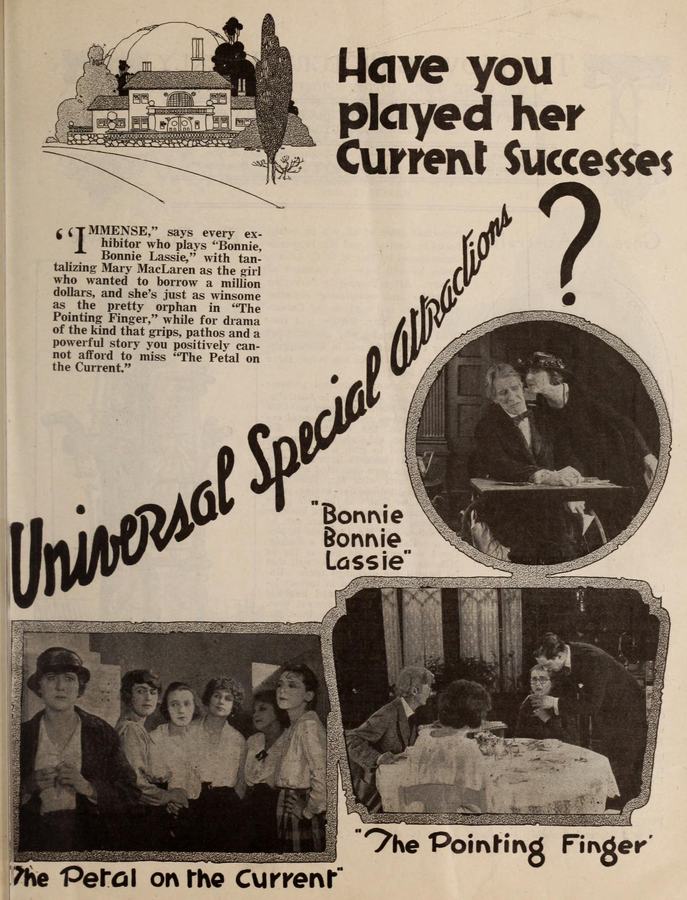
Positioning The Pointing Finger within silent cinema's tapestry reveals its daring hybridity. It merges the social consciousness of The Church and the Woman with the romantic resilience of Destiny's Toy, while anticipating film noir's moral ambiguity. Mary Murphy anticipates tough-talking Depression heroines, her resourcefulness contrasting passive contemporaneous characters. Grosset's psychological manipulation feels startlingly modern—less villain than systemic corruption personified.
Charlotte Woods' performance remains a revelation. Her Mary avoids victimhood through intelligent restraint—notice how she conveys terror through controlled breathing rather than exaggerated gestures. When discovered by Grosset, Woods doesn't scream; she goes preternaturally still, eyes widening as if absorbing inevitable doom. Her chemistry with Butler feels revolutionary in its egalitarian warmth; their final reunion shows her initiating their embrace, actively claiming happiness rather than passively receiving it. This agency distinguishes her from Beverly of Graustark's aristocratic heroines.
Boyle resists tidy resolution. We never learn Grosset's fate post-arrest—his absence in the final frames haunting like unresolved injustice. Saxton's motivations remain intriguingly ambiguous: was he testing Mary? Protecting David? Or merely observing human behavior as entomological study? Lydia Knott's cameo as the orphanage matron—featured only in flashback—hints at institutional complicity through her willful blindness. These deliberate omissions create lingering unease beneath the happy ending, suggesting that one woman's liberation doesn't dismantle oppressive systems.
The film's restoration by the Library of Congress reveals textual richness lost for decades. Recovered scenes include Mary bartering her stolen dress for bread—establishing her moral pragmatism—and Grosset gambling stolen money in underground dens, foreshadowing his downfall. Most significantly, an extended ending shows Mary funding improvements at her former orphanage, transforming victimhood into communal empowerment. This cements the film not as fairy tale but as testament to survivor solidarity.
Nearly a century later, The Pointing Finger resonates precisely because its core concerns remain tragically contemporary: how society weaponizes vulnerability, how perception outweighs truth, how women navigate systems designed against them. Mary Murphy's journey from accused to architect of her destiny still electrifies because, in the words of critic Miriam Hansen, "She didn't escape the frame—she redrew its borders."
IMDb 6.9
1935
Community
Log in to comment.