Summary
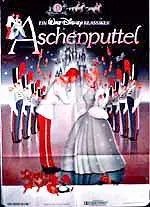
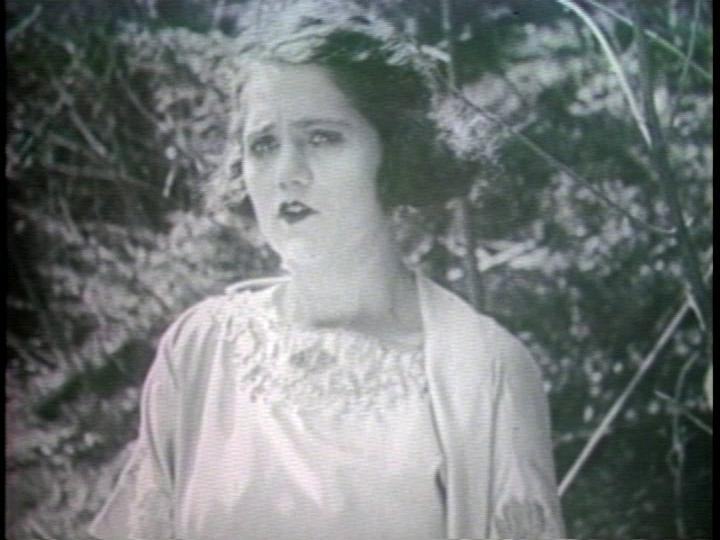
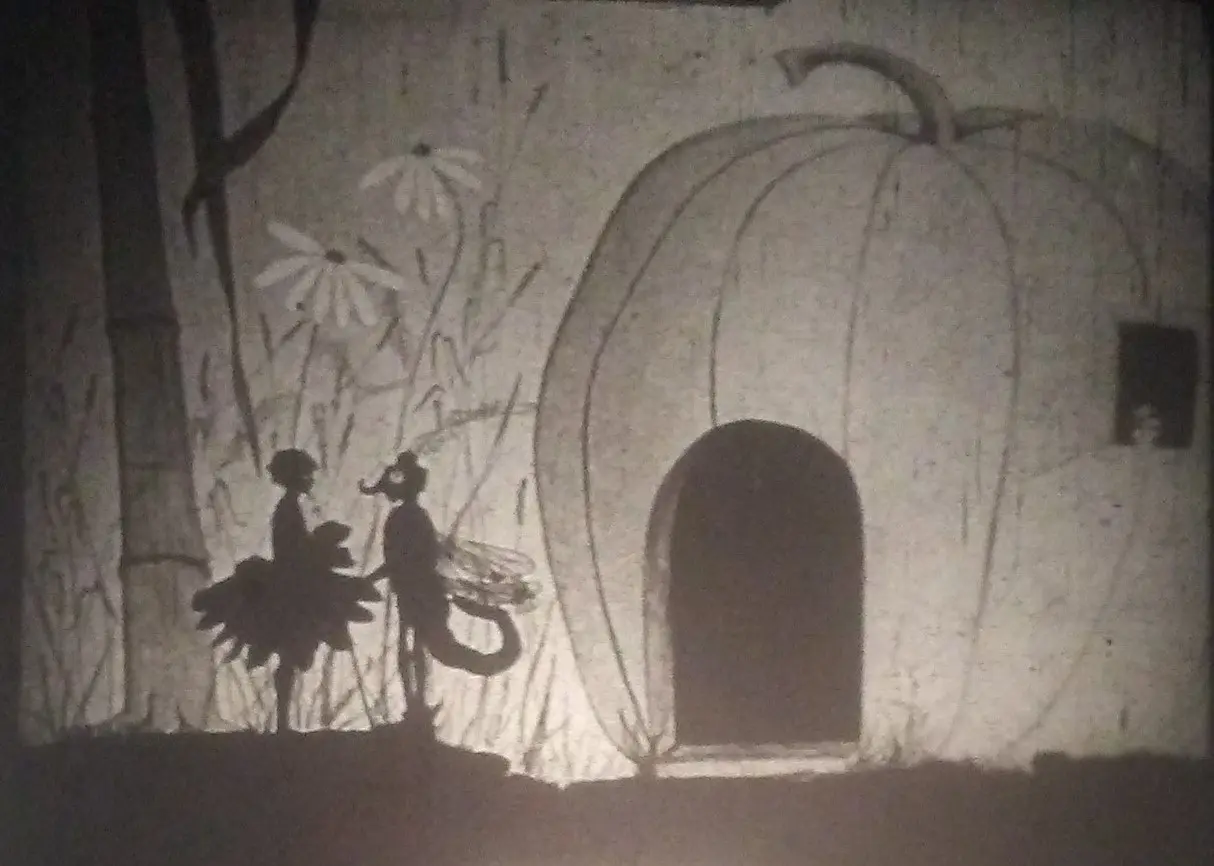
In this incandescent 1924 silent reimagining, the timeless narrative of Cinderella unfurls with a delicate yet potent visual eloquence. We are introduced to a young woman, her spirit undimmed by the relentless cruelty of her stepmother and two stepsisters, who relegate her to a life of ceaseless servitude and abject misery. Her days are a monotonous tableau of ash and drudgery, her only solace found in the fleeting dreams of a life beyond her oppressive hearth. A royal decree shatters the mundane, announcing a grand ball, an event designed to find a suitable bride for the kingdom's eligible Prince. For Cinderella, it represents a tantalizing, almost cruel, glimpse into a world forbidden to her. Denied attendance by her tormentors, her despair reaches a poignant crescendo, only to be miraculously intercepted by the ethereal appearance of a benevolent fairy godmother. With a flourish of silent magic, humble gourds transform into gilded carriages, tattered rags into resplendent ballgowns, and small creatures into noble steeds and liveried footmen, all accompanied by a strict, midnight-bound enchantment. Transported to the opulent palace, Cinderella captivates the Prince with her grace and enigmatic beauty, a dance of unspoken connection unfolding across the polished ballroom floor. The chimes of midnight, however, shatter this fragile idyll, sending her fleeing, leaving behind a single, tell-tale glass slipper—a relic of a stolen moment. The Prince, utterly smitten, embarks on a kingdom-wide quest, the delicate slipper serving as the sole key to unlock the identity of his mysterious enchantress. The film meticulously builds to the climactic moment of recognition, a triumphant affirmation of virtue and destiny over adversity, culminating in a union that transcends social strata and celebrates the enduring power of hope and inherent goodness.
Review Excerpt
"
The Ethereal Echoes of a Silent Dream: Deconstructing Cinderella (1924)
In the bustling, often boisterous landscape of 1920s cinema, where slapstick comedies vied for attention with grand historical epics and nascent social dramas, a film like Cinderella (1924) emerges as a delicate, almost whispered anomaly. It’s a testament to the enduring power of narrative archetype, meticulously translated into the visual language of the silent era. This particular iteration, featuring the enigmat..."