DbcultAccessing Vault...
Cult Review
Senior Film Conservator
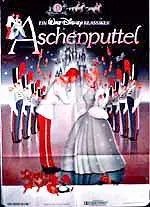
In the bustling, often boisterous landscape of 1920s cinema, where slapstick comedies vied for attention with grand historical epics and nascent social dramas, a film like Cinderella (1924) emerges as a delicate, almost whispered anomaly. It’s a testament to the enduring power of narrative archetype, meticulously translated into the visual language of the silent era. This particular iteration, featuring the enigmatic presence of Herbert M. Dawley, offers a fascinating glimpse into how a universally cherished fairy tale could be rendered with both profound simplicity and evocative artistry, long before Technicolor and orchestral scores became commonplace. Its charm lies not in bombast, but in its ability to conjure an entire emotional universe through gesture, expression, and the subtle interplay of light and shadow.
The narrative, as familiar as a lullaby, unfolds with a precision that speaks volumes about the filmmakers’ understanding of their medium. From the initial frames, we are immersed in the stark dichotomy of Cinderella’s existence: the oppressive gloom of her hearth-bound servitude juxtaposed against the glittering promise of a world beyond her grasp. The visual storytelling here is paramount; every tattered garment, every downcast gaze, every weary sweep of the broom is a brushstroke in a larger portrait of quiet suffering. The film eschews lengthy intertitles for much of its exposition, relying instead on the universal language of human emotion, allowing the audience to intuit the depths of the protagonist's despair and the casual cruelty inflicted upon her by her stepfamily. This reliance on visual cues is a hallmark of truly accomplished silent cinema, demanding a heightened level of engagement from its viewers, an invitation to participate in the construction of meaning.
The portrayal of Cinderella herself is a masterclass in understated pathos. Her resilience isn't articulated through defiant speeches, but through the luminous quality of her eyes, the gentle curve of her smile even amidst sorrow, and the quiet dignity with which she carries her burdens. She is a beacon of inherent goodness, a stark contrast to the exaggerated villainy of her stepmother and stepsisters, whose theatrical sneers and avaricious gestures are almost comically grotesque, serving to amplify Cinderella's grace. This stark visual contrast is a deliberate choice, ensuring that the audience's empathy is firmly rooted in the protagonist's plight.
Herbert M. Dawley, listed within the cast, offers a curious yet compelling dimension to this silent fairy tale. While Dawley is more widely recognized for his pioneering work in animation, particularly his earlier animated version of The Dawley Cinderella (1917), his presence in this 1924 live-action adaptation is intriguing. Assuming he embodies a key role, perhaps that of the Prince or a pivotal supporting figure, his performance would be pivotal in grounding the fantastical elements within a believable emotional framework. One can imagine Dawley, with his understanding of character movement and expression honed through animation, bringing a unique physicality to his role. If cast as the Prince, his interpretation would likely lean into a noble, somewhat melancholic figure, perhaps conveying a deep-seated yearning for genuine connection that mirrors Cinderella’s own. His silent gestures, the subtle shifts in his posture, and the directness of his gaze would have been crucial in communicating the Prince's immediate enchantment and subsequent determination to find his mysterious dancer. This nuanced approach would distinguish his performance from the more overt physical comedy seen in contemporaries like Chaplin in The Essanay-Chaplin Revue of 1916, instead aligning with a more introspective, romantic sensibility.
The magical transformation sequence, the heart of the Cinderella mythos, is handled with a delightful ingenuity characteristic of early cinematic special effects. Without the benefit of CGI or elaborate wire work, the filmmakers relied on stop-motion photography, clever cuts, and perhaps even rudimentary matte paintings to achieve the miraculous. The pumpkin's metamorphosis into a carriage, the mice into horses, and Cinderella’s rags into a gown of ethereal beauty would have been a breathtaking spectacle for audiences of the era. This visual alchemy isn't merely a plot device; it's a symbolic representation of hope's triumph over despair, a physical manifestation of the fairy godmother's benevolent intervention. The fairy godmother herself is depicted with an aura of serene wisdom, her gestures imbued with a quiet power that transcends the need for spoken incantations. Her presence is a visual metaphor for the unseen forces of destiny and kindness that often intervene in the darkest hours.
The ball sequence is a masterclass in set design and costuming. The opulent ballroom, with its glittering chandeliers and swirling dancers, creates a stark, intoxicating contrast to Cinderella’s drab home. The costumes are exquisite, particularly Cinderella’s gown, which is designed to enhance her ethereal quality, making her stand out amidst the courtly finery. The cinematography during this sequence focuses on the nascent romance between Cinderella and the Prince, using close-ups to capture their shared glances and the undeniable chemistry that blossoms between them. The dance itself is a silent ballet, each movement and embrace conveying a depth of emotion that words could only dilute. It’s a fleeting moment of pure joy, made all the more poignant by the impending chime of midnight.
The frantic dash at midnight, a moment of heart-stopping urgency, is executed with a kinetic energy that belies the film's age. The abrupt return to her tattered reality underscores the fragility of her magical interlude, yet the lingering image of the glass slipper, left behind on the palace steps, becomes a powerful symbol of enduring hope. This single object transforms from a mere accessory into the central fulcrum of the entire narrative, a tangible link between two disparate worlds. The Prince's subsequent quest, driven by a love born of a single dance and a lost slipper, is a testament to the film's romantic heart. His determination, conveyed through his unwavering resolve and the breadth of his search, elevates the fairy tale into a compelling romantic drama, echoing the grand quests found in more adventurous silent films like Ruth of the Rockies, albeit with a different kind of prize.
The tension builds palpably as the slipper is tried on various feet, each failure deepening the audience’s anticipation. The stepsisters’ desperate attempts to force their feet into the delicate shoe are played for both comedic effect and dramatic irony, highlighting their superficiality and lack of true grace. The eventual revelation of Cinderella as the rightful owner is a moment of profound catharsis, a triumphant affirmation of justice and inherent worth. The final scenes, depicting the joyous union of Cinderella and the Prince, are imbued with a sense of timeless satisfaction, a visual symphony of happily-ever-after that resonates deeply with the human desire for redemption and true love.
Cinderella (1924) stands as a fascinating artifact of early cinema, demonstrating the silent film's remarkable capacity for emotional resonance and imaginative storytelling. It proves that even without dialogue, a classic narrative can captivate and move an audience, relying solely on the evocative power of visual performance and clever cinematic techniques. The film’s enduring appeal lies in its universal themes of perseverance, kindness, and the belief in a better tomorrow, making it a timeless story that transcends its medium and era. While films like God's Law and Man's explored contemporary moral dilemmas with heavy realism, Cinderella offered a much-needed escape into pure fantasy, a balm for the soul that audiences then, as now, desperately craved.
Considering the constraints of the time, the film's production values are commendable. The attention to detail in the costumes, the grandeur of the sets, and the effective use of lighting to create mood are all indicative of a dedicated filmmaking team. The performance of the uncredited actress portraying Cinderella is particularly noteworthy, her expressive face and graceful movements carrying the emotional weight of the entire narrative. Herbert M. Dawley, if indeed he played a central role, would have contributed significantly to the film's romantic core, his silent charisma an essential ingredient in the Prince's appeal. His background in animation might even suggest an innate understanding of exaggerated yet poignant expression, a valuable asset in the silent film landscape.
In conclusion, Cinderella (1924) is more than just a historical curiosity; it is a beautifully crafted piece of cinematic art that continues to speak to the heart. It reminds us that storytelling, at its most fundamental, relies on compelling characters, universal themes, and the skillful manipulation of imagery to evoke emotion. For enthusiasts of silent cinema, or anyone interested in the evolution of fairy tale adaptations on screen, this film offers a rich and rewarding experience. It is a quiet triumph, a sparkling gem in the vast treasury of early motion pictures, proving that some stories are so powerful, they don't need words to sing.
IMDb 5.8
1930
Community
Log in to comment.